
Understanding the Connection
To achieve the best muscle recovery after running, incorporating yoga techniques can be highly beneficial. Yoga not only promotes flexibility but also helps in improving overall circulation. Improved circulation aids the removal of lactic acid and reduces muscle soreness, enhancing recovery. Regular yoga practice can also strengthen muscle groups that often get neglected during running. Muscles like the hip flexors, glutes, and lower back are all crucial in maintaining proper running form. When these muscles are strong, they support the overall movement during runs and help in preventing injuries. Additionally, performing yoga can improve mental clarity and relieve stress, both of which are important for athletes. Stress relief can lead to improved sleep quality, which is essential for muscle recovery. Finding yoga poses that focus on the lower body can specifically target areas stressed during runs, allowing for targeted relief. Thus, adding yoga to a running routine could result in complementary benefits. Incorporating even just two yoga sessions a week could bring noticeable changes to overall performance for runners looking to recover effectively.
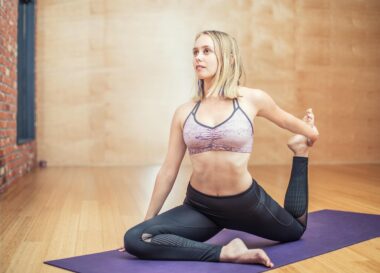
Within yoga, there are several poses you can practice that specifically target recovery for runners. These include the downward-facing dog, child’s pose, and pigeon pose, which are excellent for stretching and lengthening tight muscles. Additionally, the figure four stretch is particularly beneficial for relieving tension built up in the hips. When adopting these postures, be mindful of your breathing. Deep, controlled breaths can enhance the effectiveness of each pose. Remember to hold each stretch for at least 30 seconds to benefit fully. You can also focus on restorative poses such as legs-up-the-wall, which promotes blood flow and aids relaxation. If you want to take it a step further, consider integrating restorative yoga sessions with mindfulness practices. This combination not only helps in muscle recovery but also enhances mental well-being. Including these stretches after your running sessions or on rest days could yield significant results. As your body becomes more accustomed to these adjustments, flexibility and recovery times will improve. A strong focus on these yoga techniques could lead to increased performance in the long run.
Implementing Yoga in Routine
To fully reap the benefits of yoga for muscle recovery after running, it’s vital to implement a consistent routine. Creating a weekly schedule that dedicates time to both running and yoga is essential. You may consider dedicating two days specifically to yoga after your longer runs. This approach allows your muscles to recover adequately. Integrating yoga post-run not only aids in flexibility but also decreases post-exercise soreness significantly. Consistency is key in developing muscle memory and enhancing overall performance. If you already have a routine in place, try and combine it with your yoga practice. For example, warming up with a few sun salutations can energize the body and prepare muscles for running. Post-run, you could flow into restorative poses as a cool down. By ensuring that yoga is a regular part of your fitness regimen, you can create a synergistic effect. This combination may significantly enhance recovery and performance. Consider tracking progress through a journal to see how both practices influence your fitness goals. Over time, you will likely notice enhancements in flexibility and stamina.
Apart from enhancing flexibility, yoga also encourages mindfulness and body awareness, which are pivotal components in effective running. By practicing mindfulness through yoga, athletes can better connect with their bodies and recognize when to push themselves or when to rest. This inner awareness is vital for avoiding injuries. Incorporating breathing exercises can further improve lung capacity and stamina during runs. Techniques such as Ujjayi breathing during yoga sessions can cultivate a sense of calm and balance. Even a brief period of focused inhalation and exhalation can boost your overall state of mind during exercise. As runners, learning to tune into body signals can lead to improved performance and greater enjoyment of the running experience. Additionally, developing mindfulness can help reduce anxiety that sometimes comes with competition. Emphasizing this mental component is as important as the physical work, allowing for a more holistic approach to fitness. Balancing aware practice with physical exertion through yoga can result in a more complete recovery process that ultimately reflects in your overall running performance.
Nutrition’s Role in Recovery
In complementing yoga practices, nutrition significantly contributes to muscle recovery after running. Consuming a well-balanced diet filled with macronutrients – protein, fats, and carbohydrates – is essential for repairing muscle tissues. Protein is particularly crucial; it helps build and repair damaged muscle fibers. Incorporating foods rich in omega-3 fatty acids like fish, walnuts, or flaxseeds can reduce inflammation and promote healing. Additionally, hydrating adequately before, during, and after runs is vital to replace lost fluids and nutrients. Electrolytes such as sodium and potassium are also lost through sweat, which need to be replenished. Nutrient timing can also optimize recovery; consuming a protein-rich snack or meal shortly after running can maximize muscle repair. Mixing this approach with your yoga recovery routine could yield significant benefits. If you plan yoga sessions to follow immediately after your runs, it is best to have the nutrition aspect in check as well. This synergy between nutrition and yoga can lead to more effective recovery, ensuring both body and mind are prepared for the next workout.
Moreover, staying mindful of the foods consumed after a workout is essential. Engaging with your meals, savoring each bite can not only enhance enjoyment but also allow you to connect with what your body needs. This connection can help foster healthier eating habits and ensure that you are nourishing your body adequately. In some cases, people may overlook the importance of post-run nutrition in favor of jumping into the next activity. It’s crucial to prioritize recovery nutrition as it contributes directly to how sore or refreshed you feel for your next run. Pairing nutrient-dense foods with yoga practices will enhance recovery efforts by addressing both physical and mental aspects. Runners should aim to consume a variety of seasonal fruits and vegetables to ensure a broad range of vitamins and minerals. Incorporating smoothies can be an effective way to get essential nutrients post-run. You can mix your favorite fruits with some protein for a quick, healthy meal. Prioritizing relaxation through meditation about your meal choices can lead to enhanced focus on both diet and recovery.
Conclusion
To summarize, integrating yoga into your running regimen can vastly improve muscle recovery. The combination fosters enhanced flexibility, mindfulness, and nutritional awareness—each crucial for effective recovery. Committing to a regular yoga practice could lead to significant improvements in both physical performance and mental clarity. Establishing a consistent routine allows runners to take advantage of the unique benefits that yoga provides. As a result, your runs can become more enjoyable, and you’ll likely experience fewer injuries. Easy-to-adopt poses, such as downward-facing dog, will help in addressing specific muscle needs post-run. Balancing yoga and running not only strengthens the body but broadens the athlete’s understanding of mindful practices. This holistic approach ultimately leads to a more enjoyable running experience. By intertwining proper nutrition with yoga techniques and stretching, runners can achieve faster recoveries. Remember, both mind and body must work together for optimal performance. So, make sure to give equal importance to yoga and running in your routine for enhanced overall running performance and recovery.
Finally, holidays are excellent opportunities for rest, relaxation, and revitalization. They give us a necessary chance to reset mentally and physically. Yoga can also be beneficial during this time, as it invites intentional breathing and stretching into usually hectic schedules. Practicing yoga during holidays allows us to nourish ourselves while slowing down. Additionally, we can deepen our mindfulness and awareness during practice, fostering a renewed approach to self-care. Whether traveling or staying home, incorporating yoga sessions into your holiday plans can be an enriching experience. You might even discover new ways to connect with your body and spirit through yoga. So, make it a point to find time for these practices during holiday breaks to support ongoing recovery throughout the year.