
The Role of Nutrition in Managing Age-Related Body Composition Changes
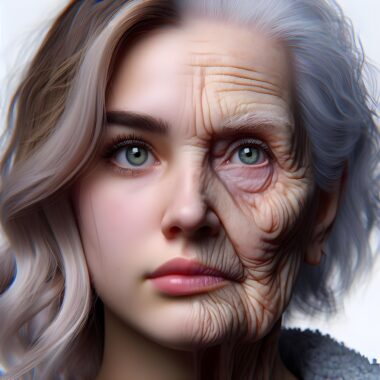
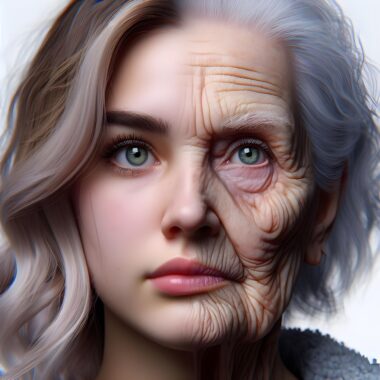
As we age, our body composition naturally evolves, leading to a decline in muscle mass and an increase in body fat. This shift is influenced by various factors such as hormonal changes, metabolic rate reduction, and physical activity levels. Nutritional strategies play a vital role in mitigating these changes. Ensuring adequate protein intake is crucial to support muscle maintenance and growth. Older adults benefit significantly from protein-rich foods like lean meats, fish, eggs, dairy, legumes, and nuts. A balanced intake of carbohydrates and fats also contributes to energy levels and overall health. Furthermore, essential micronutrients such as vitamins D and B12 impact muscle function and bone density. Staying hydrated is another key factor in maintaining optimal bodily functions. Additionally, regular assessments of dietary habits can help identify potential deficiencies and allow for timely interventions. Collaborating with a nutritionist can further tailor dietary plans that suit individual needs. In summary, proactive nutritional management is essential for addressing age-related body composition changes effectively.
The Importance of Regular Exercise
Alongside nutrition, exercise plays a fundamental role in managing age-related body composition changes. Regular physical activity helps mitigate muscle loss and maintain a healthy weight. Strength training, in particular, promotes muscle hypertrophy and overall strength. Engaging in resistance exercises, such as weight lifting or bodyweight training, can enhance muscle density. Cardiovascular workouts, including walking, swimming, or cycling, support heart health while aiding in fat reduction. Moreover, flexibility and balance exercises, like yoga or tai chi, help prevent injuries and increase mobility. Incorporating a combination of these activities into a weekly routine enhances metabolic rate and boosts energy levels. Furthermore, social interactions during group classes encourage continued participation, creating a supportive environment. It’s essential to adapt exercise types and intensities according to individual fitness levels and potential limitations. Regular consultations with fitness professionals can guide safe practices and optimize workout plans. Staying consistent in exercise routines greatly benefits not only physical health but also mental wellbeing, combating feelings of loneliness and depression that sometimes accompany aging. A holistic approach to nutrition and exercise provides the foundation for a healthier lifestyle.
The composition of our bodies changes naturally over time, but certain dietary interventions can greatly influence our experience of aging. Consuming a variety of nutrient-dense foods is crucial for meeting the needs of seniors. For instance, emphasizing colorful fruits and vegetables ensures a high intake of antioxidants, which combat oxidative stress. These foods contribute to overall health by reducing inflammation and enhancing immune function. Whole grains such as quinoa, brown rice, and oats, provide energy and sustain longer satiety levels, essential for weight management. Attention should also focus on fiber intake, pivotal for digestive health. Regular consumption of fiber-rich foods like beans and leafy greens ensures gut health and promotes regular bowel movements. Additionally, it can help control cholesterol levels, decreasing cardiovascular risk. Fortifying meals with healthy fats, such as avocados, olive oil, and fatty fish, supports cognitive function and reduces inflammation. Seniors may also have increased nutritional needs; hence, fortified foods or supplements may be beneficial. Understanding the relationship between nutrition and body composition empowers seniors to make informed dietary choices that enhance their quality of life.
Understanding Macronutrient Needs
As individuals age, their macronutrient needs can change significantly. Protein becomes increasingly vital for older adults to preserve muscle mass. Experts recommend a higher intake, often around 1.0 to 1.2 grams per kilogram of body weight daily. Prioritizing high-quality protein sources helps support this aim effectively. Additionally, carbohydrates should not be neglected, as they provide necessary energy. Opting for complex carbohydrates like whole grains and legumes ensures stable energy levels throughout the day. It’s also important to manage portion sizes to maintain a healthy weight. On the other hand, healthy fats play an essential role in hormonal balance and overall health. These can be obtained from sources like avocados, nuts, and fish rich in omega-3 fatty acids. Older adults should be mindful of their fat intake, avoiding trans and saturated fats that can contribute to chronic diseases. The balance of macronutrients should be regularly assessed when engaging in dietary programs. Personal factors like activity levels, health conditions, and lifestyle choices should be analyzed to formulate the most effective nutritional plan.
The impact of hydration on body composition must not be overlooked, especially in older adults. Adequate hydration supports metabolic functions and assists in nutrient absorption. With aging, the sensation of thirst diminishes, which can lead to decreased fluid intake. Seniors should be encouraged to drink water regularly throughout the day. Utilizing strategies such as scheduling water breaks or integrating hydrating foods like cucumber and watermelon into meals can aid in this effort. Furthermore, dehydration can result in fatigue, confusion, and other complications, emphasizing the importance of proper hydration. Monitoring fluid intake levels is vital, particularly during hotter weather or if engaging in physical activity. Juice, herbal teas, and broth are great alternatives to plain water while still contributing hydration. Understanding the signs of dehydration, including dry mouth, dizziness, and dark urine, equips individuals with the knowledge to take prompt action. Emphasizing the importance of hydration in wellness discussions improves overall awareness of its role in managing body composition. Incorporating these practices can serve as a foundation for other healthy lifestyle choices, promoting longevity and vitality.
Monitoring Body Composition
Keeping track of body composition changes is essential for older adults managing nutrition and health. Regular assessments can identify trends in fat mass, muscle mass, and hydration levels. Various methods are available for tracking body composition, including bioelectrical impedance analysis (BIA), dual-energy X-ray absorptiometry (DEXA), and skinfold measurements. Utilizing these methods can provide a comprehensive overview of body composition changes. Older adults should collaborate with health professionals to interpret these measurements accurately. For many, focusing solely on weight might be misleading, as it does not account for muscle loss specifically. Those implementing dietary and exercise changes can benefit from measuring muscle gain instead. Setting realistic and attainable goals for body composition improvement motivates continued effort. Creating a balanced approach that incorporates all aspects of health—diet, exercise, hydration, and monitoring—ensures success. Educational resources can enhance knowledge regarding body composition changes. Engaging in discussions within communities or groups adds value and fosters a sense of support. Being informed opens the door to adopting sustainable lifestyle practices for better health outcomes in later years.
Finally, understanding the psychological aspects of age-related body composition changes is essential. Body image can significantly impact self-esteem and overall mental health, especially among older adults. Encouraging positive thinking about one’s body can assist in overcoming societal pressures regarding aging. Adopting strategies that celebrate individuality fosters self-acceptance. Peer support and community involvement can provide motivational benefits that enhance mental health. Educational programs focusing on nutrition, exercise, and body positivity can create a safe space for discussing these challenges. Sociocultural factors significantly influence body perception, making it imperative to promote diversity in body shapes and sizes. Mindful eating practices can aid in fostering a healthy relationship with food, decreasing anxiety and promoting enjoyment. Participating in cooking classes or nutritional workshops can increase engagement while building a supportive network. Mental health professionals can lend help when dealing with deep-rooted insecurities related to aging. In conclusion, the interplay of nutrition, exercise, and mental health is critical for managing age-related body composition changes effectively and promoting a fulfilling life.