
Cultivating Resilience: Mind-Body Strategies for Trauma Survivors
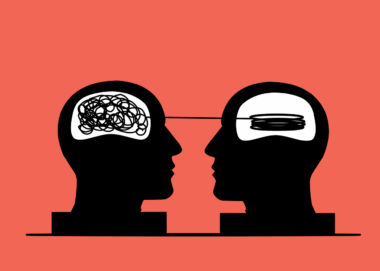
The mind-body connection represents an essential framework in understanding how psychological states interact with physical well-being. For trauma survivors, developing a resilient mind-body connection can offer significant benefits in the healing process. This concept emphasizes the notion that our thoughts and emotions can directly impact our physical health. As such, individuals affected by trauma may experience a range of physical symptoms alongside emotional distress. Addressing both aspects holistically can enhance recovery and promote resilience. Numerous strategies can help facilitate this connection, such as meditation and mindfulness practices. These techniques encourage individuals to engage with their emotional states consciously. Guided imagery and breath control also play vital roles in calming the nervous system while fostering greater physical awareness. Thus, adopting a holistic approach can significantly impact trauma recovery, enabling survivors to reclaim their lives. Research supports the benefits of mind-body practices, emphasizing the need for integration into traditional healing methods. As awareness about these effective strategies grows, more trauma survivors are beginning to explore this powerful avenue for healing.
Understanding Trauma and Its Effects
Trauma can have profound and lasting impacts on individuals, both mentally and physically. It is critical for trauma survivors to understand how their experiences influence their current well-being. Post-traumatic stress disorder (PTSD) often manifests through various symptoms, including anxiety, flashbacks, and emotional numbness. These symptoms not only affect the mind but can also lead to physical ailments such as chronic pain, fatigue, or gastrointestinal issues. Recognizing this complex interplay between mind and body is essential for effective healing. Fortunately, many evidence-based mind-body strategies can aid trauma survivors in navigating their healing journeys. Techniques such as yoga and tai chi promote greater body awareness, helping individuals reconnect with their physical selves after trauma. Additionally, these practices can improve emotional regulation and reduce stress levels, forming a solid foundation for resilience. Engaging in support groups or trauma-informed therapy can also provide essential emotional support. Sharing experiences with fellow survivors fosters a sense of belonging, which plays a crucial role in recovery. By understanding these interconnections, individuals can embrace a more comprehensive approach to healing.
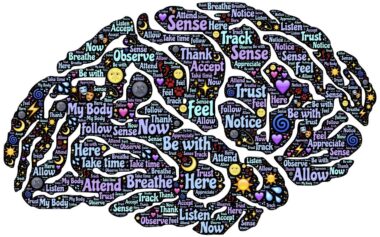
One effective mind-body strategy is the practice of mindfulness meditation. Mindfulness encourages individuals to focus on the present moment and observe their thoughts and feelings without judgment. This practice can lead to a deeper understanding of emotional triggers associated with trauma. Regular mindfulness practice has been shown to decrease symptoms of anxiety, depression, and PTSD. Incorporating mindfulness techniques into daily routines helps survivors develop a more balanced emotional state. Breathing exercises serve as valuable tools, enabling survivors to manage stress by promoting relaxation. Simple diaphragmatic breathing can effectively calm the mind, anchoring individuals in the present. Moreover, combining mindfulness with physical activities like walking or gentle stretching can create a holistic experience that fosters healing. Engaging in creative outlets such as art therapy or writing can also facilitate emotional expression and self-discovery. These activities allow trauma survivors to process their experiences through a different lens. By embracing the power of mindfulness, individuals can enhance their mind-body connection, ultimately transforming their trauma into a source of strength and resilience.
Movement and Physicality
Incorporating movement into the healing journey can immensely benefit trauma survivors. Physical activity fosters a sense of empowerment and can act as a potent remedy for emotional distress. Activities such as dance, martial arts, or even simple walking can help release pent-up emotions. These forms of movement allow individuals to reconnect with their bodies and cultivate a sense of agency. The body holds onto trauma on a cellular level, and by engaging in physical expression, survivors can promote emotional release. Additionally, activities like yoga integrate breath and movement, grounding individuals both physically and mentally. The rhythmic flow of breath combined with movement can lead to a meditative state, allowing for enhanced emotional regulation. Practicing body awareness can pave the way for healing, allowing individuals to recognize their body’s signals. Furthermore, it creates a positive feedback loop, as physical activity can stimulate endorphin release, boosting mood and fostering resilience. Survivors who incorporate movement into their routines often report improved mental clarity, emotional balance, and overall well-being. This deeper mind-body connection can empower individuals on their healing journeys.
Nutrition plays a substantial role in mental health, making it an integral part of a comprehensive healing strategy. Trauma can cause disruption to appetite and cravings for unhealthy foods, impacting mental stability. It is crucial to prioritize eating whole foods rich in nutrients to support brain function and emotional well-being. Foods high in omega-3 fatty acids, such as salmon and walnuts, are known to reduce symptoms of anxiety and depression. Incorporating more fruits and vegetables into the diet can improve overall mood and energy levels. Furthermore, staying hydrated is essential, as dehydration can lead to cognitive and emotional challenges. A balanced diet can enhance the body’s ability to handle stress and improve resilience over time. Engaging in mindful eating practices can also foster a deeper connection with food, promoting awareness of hunger cues and emotional associations. Preparing meals can become a creative and therapeutic process, allowing individuals to express themselves in a healthy manner. By nurturing the body through proper nutrition, trauma survivors can cultivate a strong foundation for healing and improved emotional health.
The Support of Community
Community plays a vital role in the healing journey for trauma survivors. Engaging with others who have similar experiences fosters connection and reduces feelings of isolation. Support groups or therapy sessions centered around trauma can help individuals share their experiences and receive validation. This process aids in emotional healing and enables participants to draw strength from one another. Connecting with others also allows survivors to learn new coping strategies and mind-body techniques that have worked for their peers. Online forums and local meetups can provide additional support and resources, creating a sense of belonging. Volunteer opportunities or community events allow survivors to give back, promoting feelings of purpose and fulfillment. Building relationships through shared experiences can significantly bolster resilience. It is essential for trauma survivors to remember that they are not alone, and seeking support is a sign of strength, not weakness. As individuals cultivate their social networks, they validate their journeys and acknowledge their progress. Ultimately, community support is a powerful catalyst in empowering trauma survivors to continue moving forward on their healing paths.
Practicing self-compassion can significantly influence the mind-body connection for trauma survivors. Many people affected by trauma experience feelings of guilt and self-blame, which hinder their recovery. Embracing self-compassion involves treating oneself with kindness and understanding, acknowledging the difficulties that have been encountered. Self-compassion also fosters emotional resilience, as individuals learn to respond to their struggles with warmth instead of criticism. This practice can be supported through journaling or affirmations, allowing survivors to articulate their feelings positively. Engaging in self-care activities like nurturing hobbies or relaxation techniques further reinforces the principles of self-compassion. Developing this mindset may require consistent practice, but the rewards are impactful. Individuals who cultivate self-compassion often report improved mental health and reduced symptoms of anxiety and depression. Mindfulness-based self-compassion courses can also serve as valuable resources in this endeavor. It is crucial to recognize that healing is a journey, and growing towards self-compassion can help transform trauma into empowerment. As trauma survivors learn to embrace self-kindness, they create a path towards healing that celebrates resilience and strength.
Conclusion: A Holistic Journey
Ultimately, nurturing the mind-body connection is paramount for trauma survivors embarking on their healing journeys. Utilizing various strategies, from mindfulness meditation to community support, creates a holistic approach to recovery. By integrating these practices, individuals can develop resilience and enhance their emotional and physical well-being. An improved mind-body connection allows survivors to engage with their experiences more consciously, fostering deeper healing over time. Reconnecting with their bodies through movement and self-care supports mental health, enabling individuals to break free from the shackles of trauma. It is essential for survivors to explore diverse strategies and discover what resonates most with them, tailoring their journeys accordingly. Through patience and perseverance, trauma survivors can transform their experiences into sources of strength. A supportive community and nurturing self-compassion further enhance this transformation, reinforcing the notion that healing is not a linear path but a rich tapestry of growth. Fostering connections, both with themselves and others, can empower individuals to rise above their challenges. As survivors cultivate resilience, they create a brighter future full of hope and potential.