
Top 10 Stress Management Techniques for Adults
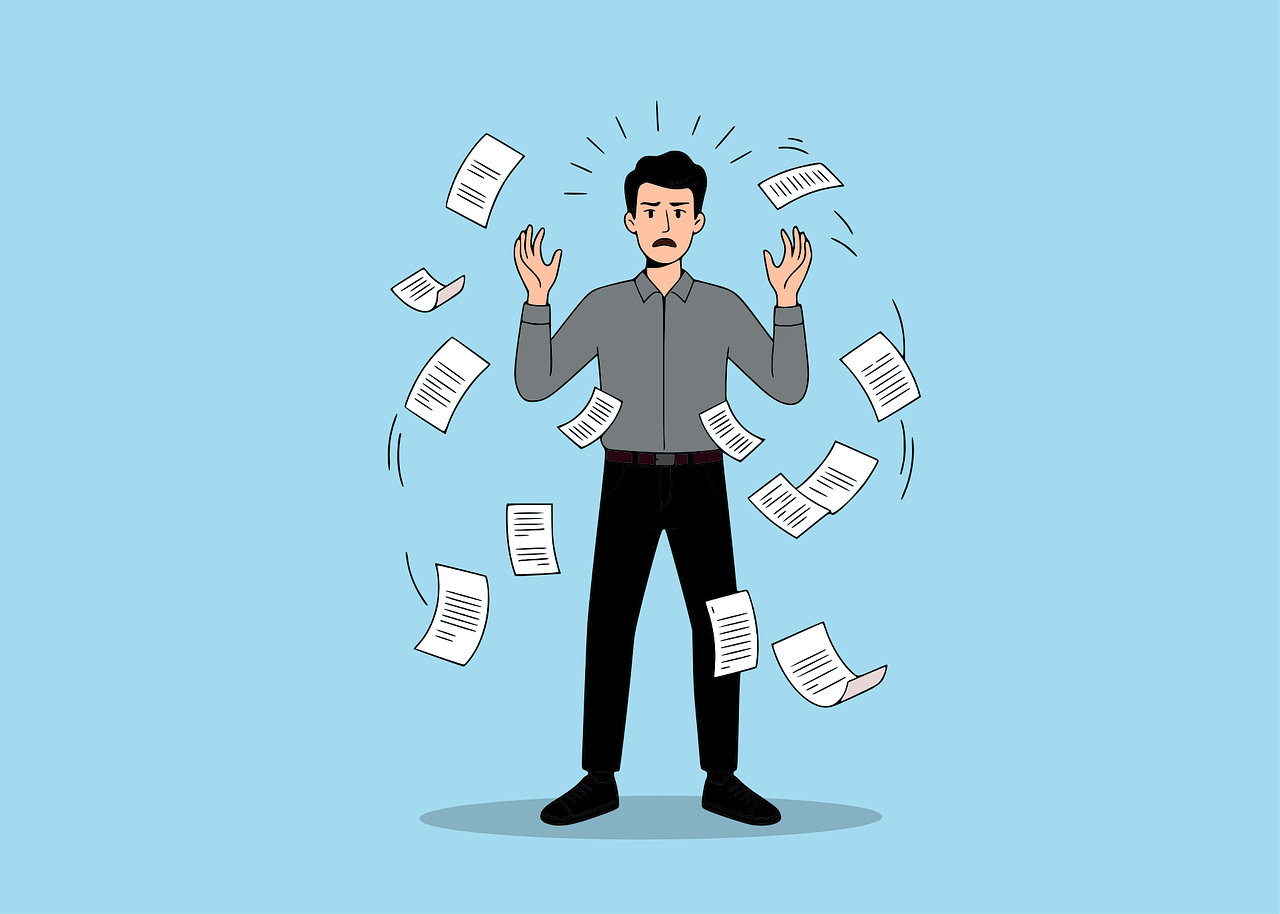
Managing stress effectively is essential for maintaining overall well-being, especially for adults facing the demands of daily life. Stress can accumulate from work, personal responsibilities, and external factors, leading to physical and emotional challenges. Utilizing effective stress management techniques enables individuals to recover their mental balance, improve focus, and enhance productivity. One of the most important techniques is practicing deep breathing exercises. By taking slow, deep breaths, you can help trigger a relaxation response. Progressive muscle relaxation is another effective method. In this technique, you systematically tense and relax each muscle group, helping to relieve physical tension. Mindfulness meditation plays a significant role in reducing stress as well. This involves focusing on the present moment, helping you detach from overwhelming thoughts. Regular physical activity is crucial as well. Exercise releases endorphins, which naturally improve your mood. Maintaining a balanced diet and ensuring adequate sleep also significantly influence stress levels. By incorporating several of these techniques into daily routines, adults can foster resilience against stress and better handle life’s challenges.
Understanding the Sources of Stress
Understanding the sources of stress is fundamental to applying effective management strategies. Stressors can be categorized into various types, including environmental, psychological, and social factors that adults encounter. Work pressure, family responsibilities, financial concerns, and health issues are often significant sources of stress. Recognizing these triggers is the first step towards addressing and managing them effectively. Documenting stressors through journaling can also be beneficial, as this practice allows for reflection on the origins and patterns of stress, which can lead to better handling methods. Furthermore, developing a supportive network of family and friends can mitigate feelings of isolation, providing emotional support during tough times. Learning to say no, setting boundaries, and prioritizing tasks can minimize overwhelming responsibilities. Engaging in hobbies and activities that promote relaxation can serve as a healthy escape from stressors. Incorporating humor into your daily life can significantly counter stress as well. These practices can enhance daily living by gradually diminishing the impact of stress, ultimately leading to greater satisfaction and well-being in adulthood.
One of the most practical stress management techniques for adults is time management. Organizing tasks efficiently can reduce feelings of being overwhelmed, enabling individuals to allocate time effectively for work and relaxation. Prioritizing responsibilities using methods such as the Eisenhower Matrix can help distinguish between what is urgent and important. This method allows you to delegate, defer, and focus on what truly matters, fostering a sense of control and accomplishment. Additionally, breaking larger projects into smaller, manageable tasks can reduce anxiety and streamline productivity. Use of tools like calendars, to-do lists, and reminders can aid in maintaining structure in your daily schedule. Implementing the Pomodoro Technique, which involves working in focused intervals followed by breaks, can also enhance efficiency. Balancing work and leisure time is necessary to prevent burnout and promote mental clarity. Adults should intentionally schedule fun activities and relaxation into their calendars. Moreover, ensuring consistency in daily routines can help establish a sense of normalcy and stability amidst stress. Overall, establishing strong time management skills can empower adults to handle their responsibilities with confidence and ease.
Physical Activity and Stress Reduction
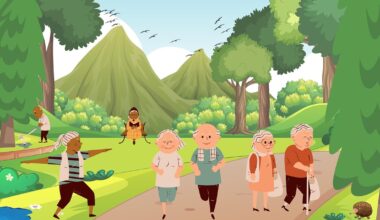
Engaging in regular physical activity emerges as one of the most potent stress-reducing strategies available to adults. Exercise stimulates the production of endorphins, neurotransmitters known to enhance mood, alleviate tension, and promote overall well-being. Activities such as walking, jogging, dancing, or engaging in team sports contribute significantly to lowering stress levels. Even moderate activities provide substantial benefits, as they increase blood flow and stimulate brain function. Establishing a consistent exercise routine can offer structure and a sense of accomplishment, which is especially vital in combating stress. Furthermore, practices like yoga and tai chi fuse physical movement with mindfulness, enhancing relaxation techniques while promoting physical health. These activities encourage deep breathing, flexibility, and concentration. Adults may also find solace in group classes or organizations, benefiting from social connections while exercising. It’s vital to treat physical activity not just as a chore but as an enjoyable and essential element of life. Embracing movement helps to convert stress into positive energy while fostering mental resilience and emotional stability. By prioritizing regular exercise, you can experience significant stress reduction and improved health.
Implementing relaxation techniques offers another effective approach to managing stress in adults. Relaxation practices help soothe the mind and body, counteracting the physiological impacts of stress. Consider integrating various methods, including meditation, visualization, or guided imagery, into your routine. These practices allow you to cultivate calmness and foster a sense of inner peace. Progressive muscle relaxation is particularly beneficial as well, focusing on systematically tensing and relaxing muscle groups. Regular practice can enhance your ability to cope with stressful encounters by creating deeper relaxation responses. Breathing exercises, such as the 4-7-8 technique, enhance your body’s natural relaxation mechanism. You can take a deep breath for four seconds, hold it for seven, and exhale for eight, promoting tranquility. Journaling is also an invaluable tool. Documenting your thoughts and feelings can provide clarity, facilitating emotional release. Listening to music or engaging in creative arts can also enhance relaxation. Spending time in nature and reducing screen time contribute positively to mental wellness. Incorporating these relaxation techniques into daily life equips adults with powerful tools to manage stress effectively and enhance overall well-being.
The Importance of Social Support
Adults often overlook the importance of social support in mitigating stress levels effectively. Strong relationships nurture emotional resilience by providing a safety net during challenging times. Engaging with family and friends fosters a sense of belonging and a critical source of comfort. Sharing experiences, thoughts, and feelings with trusted individuals can alleviate burdened emotions and bring perspective during overwhelming moments. Community involvement, such as volunteering or joining clubs, cultivates new friendships and establishes connections that can be very supportive. Moreover, forming networks with coworkers also enhances stress management, aiding in collaboration and shared problem-solving. Communicating openly signals vulnerability and strength, and it encourages others to reciprocate and foster stronger bonds. Online communities can offer valuable support as well for those with mobility or time constraints. Social media groups focused on shared interests can connect you with like-minded individuals. Through open discussions, you can exchange coping strategies and ideas. Actively engaging in social practices and interactions arms adults with an essential buffer against stress, enriching their quality of life and emotional health over time.
Maintaining a healthy lifestyle contributes immensely to stress management for adults, emphasizing the importance of nutrition and hydration. A balanced diet rich in whole foods, vitamins, and minerals can significantly affect mood and energy levels. Consuming regular, nutrient-dense meals provides the body with the fuel it needs to combat stress. Foods high in omega-3 fatty acids, antioxidants, and B vitamins support brain health and can bolster the body’s resilience against stress. Whole grains and plenty of fruits and vegetables should also be prioritized in your daily meals. Furthermore, it’s essential to maintain proper hydration, as dehydration can exacerbate feelings of fatigue and irritability. Limiting caffeine and sugar is advised, as these substances can lead to mood swings and increased anxiety. Sleep also plays a critical role in stress management. Ensuring adequate, restful sleep each night helps the brain recover and recharge, cultivating emotional stability. Creating a calming bedtime routine can improve the quality of sleep. By prioritizing a healthy lifestyle, adults can better equip themselves to handle stressors and maintain a state of equilibrium in their daily lives.
Conclusion and Moving Forward
Developing effective stress management techniques is imperative for adults navigating today’s fast-paced environment. By integrating various approaches, from physical activity to social engagement, individuals can create a multifaceted strategy for managing stress. Understanding personal stressors, practicing time management, engaging with relaxation techniques, and fostering social networks lay the groundwork for resilience. Additionally, maintaining healthy lifestyles is crucial for supporting these efforts. It is vital, however, that adults remain adaptable and open to exploring different techniques until they find the combinations that resonate best with their individual needs. As stress is an inevitable part of life, embracing proactive management strategies empowers you to navigate life’s challenges with greater ease. It’s essential to recognize that addressing stress is not a one-time fix but a continuous journey. Take the time to evaluate your stress levels regularly, assessing the effectiveness of your chosen strategies. By doing so, you pave the way for a healthier and more fulfilling existence. Ultimately, prioritizing stress management can amplify your quality of life and enhance emotional and mental well-being for years to come.