
How Hydration Affects Recovery Time in Young Athletes
Proper hydration is crucial for young athletes to perform well and recover effectively. Water plays a significant role in several physiological processes, including temperature regulation, nutrient absorption, and waste elimination. When young athletes engage in intense physical activity, they can lose substantial amounts of fluid through sweat. Loss of fluids can result in dehydration, which negatively impacts performance and recovery. Dehydrated athletes tend to experience higher heart rates during exercise, reduced endurance, and increased fatigue, which can prolong recovery times. To maintain optimal hydration levels, young athletes should drink fluids before, during, and after physical activities. Effective hydration strategies can support athletic performance, minimize fatigue, and foster quicker recovery times. It is essential for coaches, parents, and young athletes themselves to prioritize fluid intake, emphasizing water as the primary source of hydration. In addition to water, sports drinks may be beneficial for replenishing electrolytes in some situations. Understanding the importance of hydration can aid young athletes in optimizing their training and competitions while ensuring balanced recovery. Adequate hydration directly correlates with better athletic outcomes and overall well-being.
The Importance of Electrolytes
Electrolytes, such as sodium, potassium, and magnesium, are essential for maintaining fluid balance in the body and aiding recovery. Young athletes, particularly those in physically demanding sports, lose electrolytes through sweat. Without proper replenishment, deficiencies can arise, resulting in cramping, diminished performance, and even serious health risks. Sports drinks containing electrolytes can be advantageous in certain scenarios to ensure young athletes replenish lost nutrients during extended activities. Understanding when to utilize these beverages is critical; often, water suffices for shorter activities. However, training sessions exceeding an hour or those held in extreme heat warrant better hydration strategies. Monitoring sweat rates can guide hydration practices, helping young athletes determine their specific hydration needs. Parents and coaches should educate young athletes about recognizing the signs of dehydration, including increased thirst, irritability, and concentration difficulties. The right balance of fluids and electrolytes fosters optimal recovery times, preparing young athletes for subsequent training sessions or competitions. Furthermore, encouraging young athletes to consume a well-rounded diet may bolster electrolyte intake, ensuring they are prepped and energized for peak performance while also supporting their overall health and development.
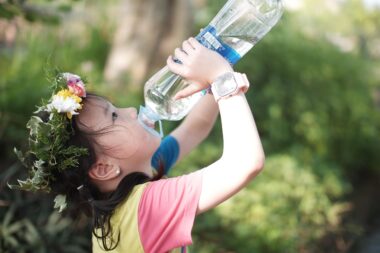
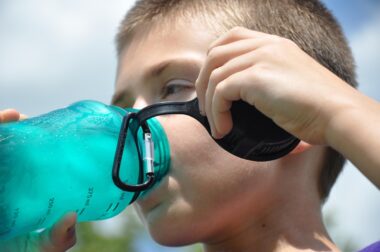
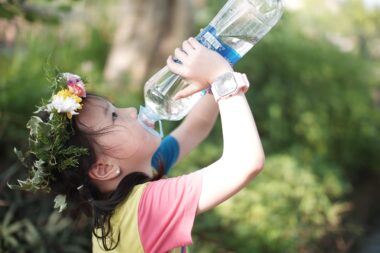
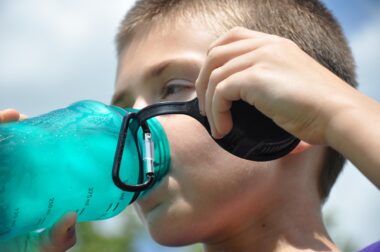
The timing of fluid intake is also essential in enhancing recovery. Drinking before physical activity helps maintain hydration levels, while post-exercise fluid consumption assists in restoring fluid balance effectively. Young athletes should aim to drink water throughout the day, not just during training sessions. A general recommendation is to consume about 16 to 20 ounces of water a few hours before exercise. Subsequently, during extended periods of activity, they should focus on consuming 7 to 10 ounces every 10 to 20 minutes. Post-exercise, consuming another 16 to 24 ounces of water for every pound lost can facilitate recovery further. Utilizing a sports bottle can remind young athletes to remain hydrated during training sessions. It fosters the habit of drinking regularly, even if they do not feel thirsty. Coaches play a vital role in implementing hydration breaks during training, ensuring all athletes understand the protocol. In structured training, hydration should be as routine as warm-ups and cool-downs. By emphasizing fluid management, young athletes can optimize their hydration strategies, ultimately leading to improved recovery and preparation for future activities.
It’s important to tailor hydration strategies to specific sports and individual needs. Different sports have varying demands that warrant different hydration approaches. For example, endurance sports, such as long-distance running, require regular fluid intake to maintain hydration, whereas team sports may have varied demands depending on activity bursts. Coaches and trainers should assess the needs of their athletes and modify hydration strategies accordingly. Older athletes might manage hydration differently than younger counterparts, who are still developing their awareness and physical responses. Personalizing strategies can lead to significantly improved recovery times post-activity. Additionally, integrating hydration education into training programs can promote better with young athletes understanding their own bodies. This knowledge encourages them to take responsibility in managing their hydration levels. As they progress and grow, instilling good hydration habits can positively influence their long-term athletic careers. Parents also play an essential role by modeling healthy hydration habits at home, supporting their young athlete’s understanding of adequate fluid intake. Encouraging open discussions about hydration can foster a supportive environment that emphasizes recovery and performance.
Hydration and Mental Performance
Adequate hydration is not only essential for physical recovery but also vital for cognitive functions in young athletes. Dehydration can lead to decreased concentration, impaired decision-making, and slower reaction times, which directly impact sporting performance. Young athletes need to remain mentally sharp during competitions, and maintaining hydration plays a foundational role in achieving this. Studies indicate that even slight dehydration can significantly influence cognitive performance. To maximize both physical and mental performance, young athletes must remain vigilant about their hydration habits. Consistent water intake not only supports their physical body but ensures their mental faculties remain at optimal levels. Furthermore, mental fatigue resulting from dehydration can cause emotional and behavioral challenges, such as irritability, which can disrupt teamwork. Coaches should promote the idea that hydration is a fundamental aspect of training. Encouraging conversation about hydration at practice cultivates awareness among young athletes, underscoring its importance beyond just performance. By understanding that hydration can directly influence their mental clarity, young athletes can be more motivated to maintain their intake during practices and competitions, fostering an all-rounded athletic development.
Parental involvement can enhance a young athlete’s hydration practices significantly. Parents are often essential in establishing routines, including hydration schedules before and after athletic activities. They should be educated about the signs of dehydration and optimal hydration methods so they can help guide their children. Preparing hydration-packed snacks and meals can contribute to an athlete’s overall hydration levels as well. Including fruits and vegetables with high water content, such as watermelon, oranges, and cucumbers, is an effective strategy for boosting hydration. Additionally, involving young athletes in planning their hydration strategies fosters a sense of responsibility that can extend beyond sports. When parents and children work together to create hydration plans, it reinforces the habit in a healthy manner. Young athletes develop a deeper understanding of their hydration needs when they actively participate in their routines. It is not only beneficial physically but can also strengthen parental relationships through shared goals. Encouraging joint efforts around hydration can enhance both physical health and emotional support during athletically demanding times, ultimately supporting recovery and success in young athletic endeavors.
Final Thoughts on Hydration
In conclusion, hydration plays an essential role in enhancing recovery time for young athletes. By understanding the significance of fluid intake, electrolytes, and individual needs, they can maximize their training outcomes and overall performance. Coaches, parents, and athletes working together can create a robust support system that emphasizes the need for proper hydration before, during, and after physical activities. Hydration education should be integrated into training programs, highlighting the connection between sports performance and cognitive function as well. As young athletes become more aware of their hydration needs, they can develop ownership of their wellness habits. By incorporating hydration strategies, they can optimize their recovery and preparations for future challenges. It’s equally vital for athletes to understand their own bodies, developing habits that will help them throughout their athletic careers. Overall, consistent hydration leads to better performance outcomes and reduced recovery times. It allows young athletes to thrive in their chosen sports while fostering healthy lifestyle choices that extend beyond athletics. Ultimately, adopting effective hydration practices ensures they remain physically capable and mentally sharp for whatever challenges they may face.
To recap, the importance of hydration in young athletes cannot be overstated. Understanding and implementing effective hydration strategies contribute significantly to their recovery times and overall athletic performance. By actively promoting hydration awareness, integrating guidance into training plans, and collaborating with parents, young athletes can prioritize their health and performance. They benefit tremendously from structured hydration practices that ensure proper fluid intake daily, especially during strenuous activities. Moreover, as they engage with these practices, they cultivate lifelong habits that extend beyond sports. Staying hydrated enhances their physical recovery, cognitive functions, and emotional well-being. This versatile approach supports the premise that hydration significantly influences various aspects of performance. Young athletes will ultimately appreciate its impact as they recognize the connection between their hydration practices and successful athletic endeavors. In summary, providing them with the necessary tools, knowledge, and support to hydrate effectively will lead to not just immediate benefits but also long-term athletic success and health.