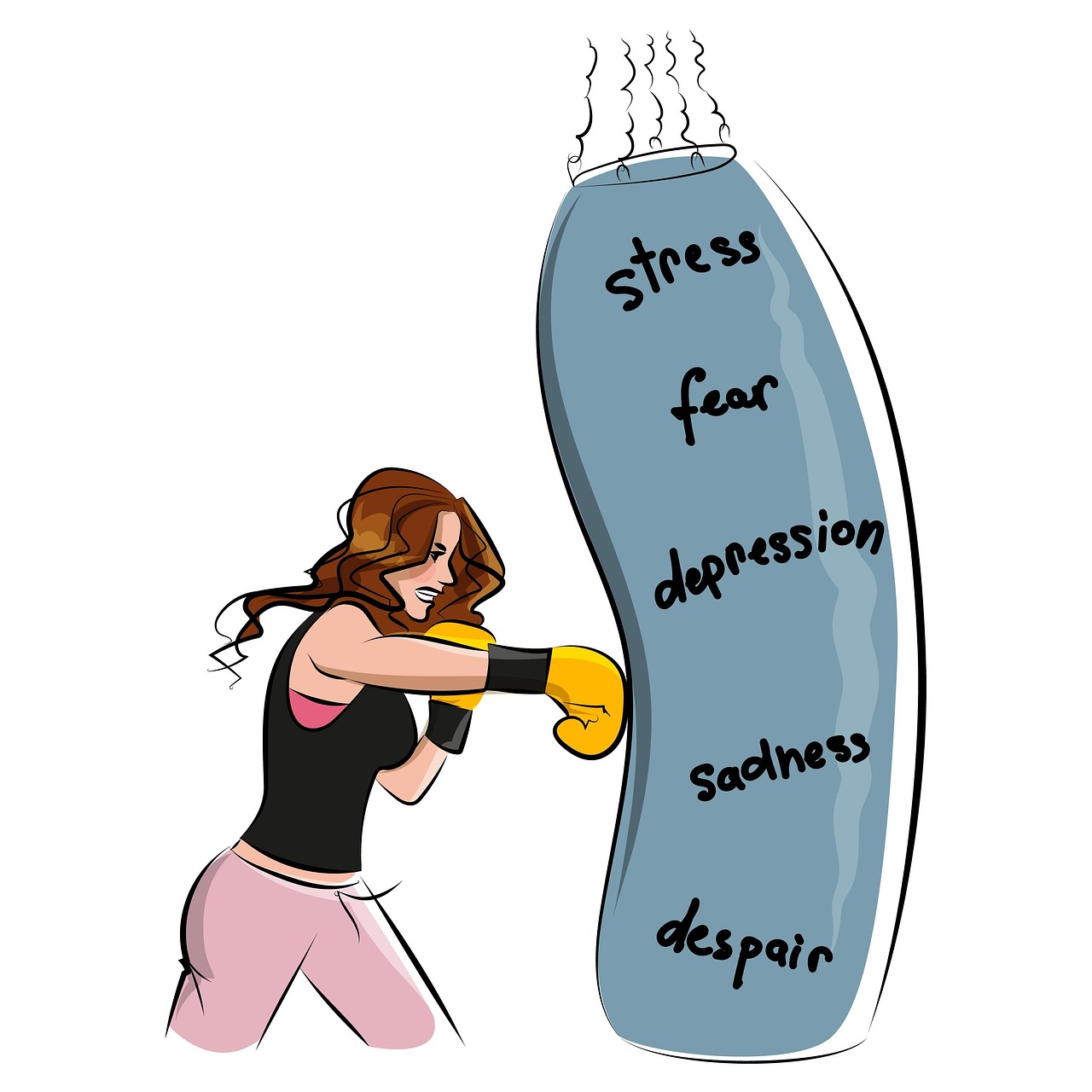

Supporting Your Mental Health While Recovering from Injury
Recovering from an injury can often prove to be a mentally taxing journey for many individuals. The physical aspects may be addressed through therapy and medication, but the emotional toll should not be overlooked. Feeling frustrated and disheartened is quite common, especially when it feels like healing is taking longer than anticipated. It is essential to take a proactive approach to safeguard your mental health during this time. Engaging in mindfulness practices and maintaining a positive outlook can be highly beneficial. Exploring different techniques, such as meditation and deep-breathing exercises, can help calm your mind. Many people find it useful to maintain a journal to express their feelings throughout recovery. Surrounding yourself with a supportive network of friends and family can also create a positive atmosphere that reinforces your mental health. Establishing an understanding that recovery may take time can help set realistic expectations, which is crucial for maintaining motivation. Having patience and understanding with yourself during this period will evidently aid in your overall recovery process. Ultimately, prioritizing your mental well-being is fundamental to overcoming the challenges presented by getting injured.
Understanding the Emotional Impact
Injuries do not solely affect your physical body; the emotional consequences can be profound. It’s common to experience a whole spectrum of emotions during the recovery phase, including anger, sadness, and even anxiety. Many individuals may feel isolated when unable to engage in their usual activities, which can exacerbate these feelings. Recognizing your emotional responses and allowing yourself to feel them is vital. Suppressing emotions can lead to greater mental health issues down the line, such as depression or increased anxiety. It might be beneficial to openly discuss your feelings with someone whom you trust. Professional therapy could also be a recommended avenue if your emotions feel overwhelming. Combining professional help with self-care strategies for managing emotions can be particularly effective. You might also find comfort in connecting with others who have experienced similar injuries, as this can create a sense of community. Engaging in gentle, restorative activities—like yoga or light stretching—could also provide emotional relief. Remember that recovery is a unique journey for each person, and acknowledging your emotional struggles can be a significant step toward healing.
Fostering a resilient mindset is crucial when it comes to injury recovery. Maintaining a resilient attitude can help you navigate the ups and downs of healing more effectively. Focusing on what you can control, rather than what you cannot, is a powerful approach to developing this mindset. Setting smaller, achievable goals during recovery can provide a sense of purpose and accomplishment. Celebrate each little victory, no matter how small it may seem. Whether it’s regaining mobility or simply feeling less pain, acknowledging these milestones fosters motivation and positivity. Engaging in self-compassion is also vital; treat yourself the way you would treat a friend in a similar situation. Remember that setbacks are a natural part of the recovery process, and assessing how you respond to them is key. Growth often occurs through challenges, so when faced with frustration or disappointment, focus on your progress thus far. A proactive mindset towards healing can make the transition smoother, empowering you to face obstacles with determination and strength. Above all, remain hopeful—healing is a journey, and your mental resilience will guide you throughout.
Establishing a daily routine during your recovery is a constructive strategy for maintaining mental health. A structured schedule can give your day purpose and reduce feelings of aimlessness. Begin by including light activities that are within your physical capabilities, ensuring to balance rest and engagement in your routine. Incorporate moments for relaxation as well, as they are just as essential as tasks that promote healing. Moreover, using this time to explore new hobbies or revisit passions that may have been sidelined can provide enjoyment and distraction from pain. Creativity can play a massive role in emotional healing; consider trying your hand at painting, writing, or even photography. Physical therapies, such as gentle stretching or rehabilitation exercises, can also be included in your daily agenda, further assisting in your mental and physical well-being. Connecting with friends or family members during your scheduled activities could lighten your mood. Additionally, adopting a healthy nutrition plan can affect both physical recovery and emotional well-being, making meals something to look forward to. Remember to remain flexible with your schedule and adapt as needed; every day in recovery may be different, and it’s okay to adjust accordingly.
Seeking Professional Help
When navigating the complex emotions associated with recovering from an injury, seeking professional help can be a significant step. Mental health professionals are equipped with the skills and expertise necessary to guide individuals through their healing journey. They can teach coping strategies tailored to your unique situation and help you explore ways to manage emotions more effectively. Engaging in therapy can also provide a safe, judgment-free space to express your thoughts and feelings. Cognitive-behavioral therapy, in particular, is effective for those dealing with anxiety or depression resulting from injury-related limitations. Moreover, support groups for individuals who have experienced similar injuries can foster a sense of connection and understanding. Consider reaching out to local organizations or facilities that offer these programs. You could also consider virtual support options, as they have become increasingly available and accessible. Prioritizing your emotional well-being by engaging with mental health specialists can expedite both your mental and physical recovery. Acknowledging the need for help is not a weakness but rather a testament to your resilience and dedication to recovery.
Self-care strategies can effectively support your mental health during recovery from an injury. It is crucial to prioritize making time for yourself, allowing you to engage in activities that promote relaxation and contentment. Simple practices such as taking warm baths, reading, or spending time outdoors can have a restorative effect on your mindset during this period. Additionally, incorporating physical activity—within your restrictions—can effectively improve mental health by releasing endorphins. However, it’s important to listen to your body and avoid overexertion. Setting aside moments for daily gratitude exercises can be particularly transformative; reflecting on positives in your life can shift your perspective from feelings of restriction to appreciation. Consider integrating activities that nurture your mind, like guided meditations or zen garden tasks. Keeping communications open with your support network ensures you feel connected. Utilize technology to connect with friends or family through social media or video calls if in-person visits are impossible. Lastly, always acknowledge and honor your feelings, as they can impact your healing. Embracing self-compassion and focusing on your personal growth will inevitably contribute to a healthier recovery process.
Finally, maintaining a hopeful outlook during your recovery journey is essential. While setbacks may occur throughout this process, recognizing progress—no matter how small—can help you stay motivated. One useful approach is to visualize your recovery goals, aligning them with the positive outcomes you wish to achieve. Keeping a vision board where you place images, quotes, or symbols that inspire you may serve as a daily reminder of your aspirations. Acknowledge that your current situation is temporary, and actively envision a future where activities you enjoy become a reality once again. Discussing your recovery goals with those in your support network can also enhance accountability. Positive affirmations can reinforce your belief in yourself and your recovery; repeat these to yourself regularly. Celebrate your journey thus far, and remind yourself that healing takes time. Focus on nourishing your body and mind during this process. Above all, extend kindness towards yourself; remember that injuries are part of life, and recovering can teach you valuable lessons about resilience and determination.
Conclusion: Embracing the Healing Journey
As you navigate the complexities of recovering from an injury, embracing the journey will allow you to not only heal physically but also strengthen your mental health. Keep reminding yourself that recovery unfolds at its own pace, and patience is key. Although times may seem challenging, adopting strategies such as fostering a resilient mindset, establishing routines, and practicing self-care can create a positive atmosphere for growth. Importantly, maintain open lines of communication with friends and family, as their support will encourage you during difficult moments. Continue utilizing professional help if needed, as mental health specialists can guide you in developing effective coping strategies. Your healing journey is unique, and the various emotions you encounter are valid. Use this period to reflect on your strengths and cultivate a deeper understanding of yourself. As you work through mental hurdles, you will emerge from this experience not only as an individual who has healed, but one who possesses newfound resilience, determination, and insight into both physical and mental well-being. Cherish the lessons learned during this time, and look forward with hope towards the future.