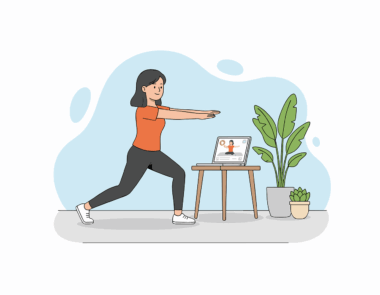

Tracking Progress in Home Fitness Routines
Setting up a home workout routine can be simple, yet tracking progress is crucial for motivation and direction. Establishing measurable goals is essential when starting your fitness journey at home. Without clear objectives, it’s easy to lose focus and not see the improvements you desire. Consider using fitness apps or journals to log your workouts and record various parameters, such as duration, intensity, and type of exercises performed. This will help provide insight into your performance over time. Regularly revisiting your goals allows adjustments to be made, ensuring they remain achievable and relevant. It’s beneficial to celebrate small achievements, fostering an environment of positivity that cultivates persistence. You can track changes in your body measurements or record personal bests in exercises. Checklists can also serve as a motivational tool and give you a sense of accomplishment. Additionally, sharing progress on social media or with loved ones encourages accountability and might inspire others as well. Ultimately, tracking your progress transforms your workout from a mundane task into a fulfilling and dynamic journey.
Consistency in tracking is another key aspect of seeing success in home fitness routines. Developing a regular schedule for workouts helps create a habit that gradually becomes part of your lifestyle. Aim for three to five exercise sessions each week, where you can consistently build on your skills and endurance levels. When you document your workouts, consistency helps reveal patterns over time, illustrating your dedication. Establish a specific day and time for your workouts to reinforce this habit. Some opt to utilize weekly or monthly progress reports to get a broader understanding of how they are doing. By looking back at your records, you can assess if you’re improving or need to alter your strategies. Moreover, this analysis will enable you to identify high-performing workouts, further tailoring your routine to suit your preferences and ensuring engagement in your fitness journey. Using visual aids, such as charts, can simplify your tracking efforts. Remember, it’s about finding what works best for you and ensuring that the routine remains enjoyable and sustainable, encouraging ongoing commitment.
Utilizing Fitness Apps for Effective Tracking
Incorporating technology can significantly enhance your workouts, offering tools to measure your progress effectively. Numerous fitness apps allow you to monitor various aspects of your training, including workout duration, caloric burn, and even heart rate. Some popular apps provide features such as virtual coaching and community engagement, offering support and motivation. By using such applications, users can record their sets, reps, and weights for strength training, which helps in identifying progression. Many apps also include nutrition tracking, ensuring a holistic approach to health and wellness. Integrating this data allows clearer insights into how your workouts correlate with your dietary choices. Customized workout plans can further streamline your efforts, guiding you step by step. Users frequently appreciate receiving reminders from apps, promoting accountability. Cloud-based storage is another useful function, facilitating easy access to your data from any device. With seamless synchronization across devices, users can maintain their workout records on the go. Engaging with apps ensures that your home workouts remain an interactive experience, encouraging continuous improvement without the monotony.
In addition to technology, tracking post-workout reflections is an unconventional yet insightful approach. After each session, consider taking a moment to jot down your feelings, challenges, and thoughts regarding the workout. Reflecting allows you to analyze what works well for your body while recognizing any difficulties. Documenting your emotional responses offers a deeper understanding of your workout experience. This awareness can help adjust your training approach to cater to your emotional and mental needs. Different workouts yield various feelings; some may leave you elated while others may lead to frustration. Aim to embrace both experiences and learn from them. This method nurtures emotional resilience and assists in sustaining motivation. Over time, examining this journal can reveal your evolving relationship with fitness. As you become more attuned to your body and mind, tracking reflections bolster your overall fitness journey. It’s essential to celebrate emotional victories, just as much as physical ones, reinforcing a balanced perception of personal growth. Each experience contributes to personal development and can serve as a motivational testament throughout your home workout journey.
Setting Realistic Goals for Progress
Creating realistic and achievable fitness goals is vital for maintaining motivation in home workouts. Establishing clear benchmarks will help guide your routines while enabling you to celebrate meaningful milestones along the way. Focus on SMART criteria: Specific, Measurable, Achievable, Relevant, and Time-bound goals. This structured framework ensures that your objectives are well-defined and attainable. For instance, instead of aiming for vague goals like ‘getting fit,’ set a target such as ‘completing 30 minutes of cardio three times a week.’ Feel free to adjust your goals based on your progress, and ensure they reflect your personal aspirations and capabilities. It’s important to remember that consistency often trumps intensity; connecting with your body through varied and enjoyable exercises can create a sustainable routine. Additionally, prioritize short-term goals to maintain a sense of achievement while working towards larger aspirations. Acknowledging every small victory encourages ongoing commitment and sustained effort. Integrating body weight routines and adjustable intensity aspects allows accommodating individuals’ evolving fitness levels. Ultimately, flexible and realistic goals pave the way for long-term success and well-being.
Another vital component of tracking progress is recognizing the importance of recovery. Overtraining can be a common pitfall when individuals are passionate about their fitness routines. Integrating rest days within your regimen facilitates recovery and muscle growth, enhancing performance. Documenting your recovery periods is just as essential as recording your workouts, as it ensures you balance effort with rest. Identify signs that indicate when you need a break, such as fatigue, poor performance, or persistent soreness. Implementing strategies like stretching, mobility work, and foam rolling improves recovery and encourages recharging your body. Keeping a recovery journal can help highlight the significance of these periods in your overall fitness journey. Use this journal to monitor sleep patterns, stress levels, and even hydration—factors significantly impacting recovery. By understanding your body’s needs and recognizing recovery as part of your routine, you enhance your overall effectiveness in workouts. Remember, quality is often more important than quantity in fitness; striving for both leads to sustainable improvements and personal growth over time.
Celebrating Achievements and Concluding Thoughts
Recognizing and celebrating achievements is the final yet crucial step in your home workout journey. These milestones reinforce motivation and remind you of the hard work invested in reaching your goals. Consider rewarding yourself with small treats, like new workout gear or a relaxing massage, after reaching significant milestones. Celebrating accomplishments, no matter how trivial they may seem, keeps your spirits high and strengthens your commitment. Share your progress with family and friends, who can encourage and champion your achievements. Utilizing social media can also foster a supportive community around your fitness journey. This social engagement maintains motivation and inspires others striving for their fitness goals. As you reflect on your journey, assess which tracking methods resonate with you in cultivating continued progress. Be open to adjustments, ensuring that your fitness routine remains enjoyable and engaging. Finally, remember that tracking progress is more than just numbers; it encompasses personal growth and mindset shifts. Embrace the ongoing journey of self-improvement through your home workouts, fostering a sustainable, balanced fitness lifestyle.
Sources of Inspiration
Turn to online fitness communities or follow fitness influencers that align with your goals. These sources can provide fresh ideas to enhance your routines. Sharing tips, challenges, and progress with each other increases motivation and accountability.