
Posture Benefits of Slow and Controlled Breathing
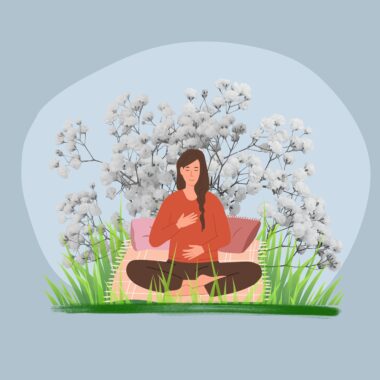
Good posture is often influenced by our breathing patterns, which can either hinder or enhance overall body alignment. Practicing slow and controlled breathing exercises can significantly contribute to improved posture. When we breathe deeply and steadily, our diaphragm and core muscles engage more, providing support for the spine. This engagement fosters better alignment and prevents slouching, which is common in today’s sedentary lifestyles. Furthermore, proper breathing techniques stimulate the body’s natural relaxation response, reducing tension in the shoulders and neck. Over time, this practice can lead to a more upright stance. In addition to the structural benefits, individuals often report enhanced feelings of calmness and emotional balance. More relaxed states help to naturally encourage a better postural alignment. By integrating these breathing methods into your daily routine, even for just a few minutes, you can promote effective posture. Utilizing techniques like diaphragmatic breathing can allow you to strengthen your core and align your spine properly. The harmony created through slow breathing allows for both physical and mental benefits, making you feel taller and more confident during everyday activities.
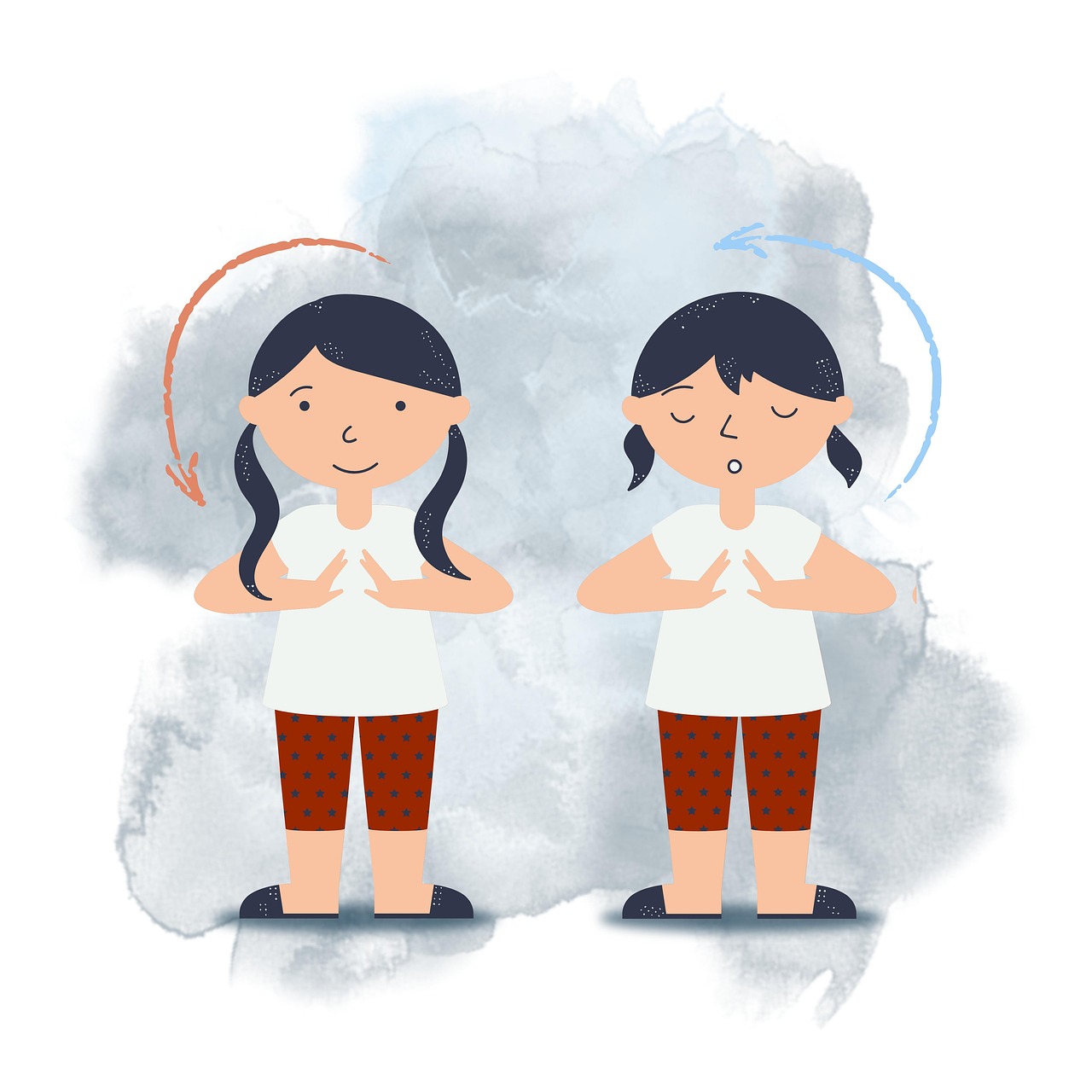
There are various breathing techniques one can practice to achieve better posture. Techniques such as diaphragmatic, box, and pursed-lip breathing promote the engagement of key muscle groups supporting the spine. In diaphragmatic breathing, one allows the abdomen to rise as they inhale deeply, giving the diaphragm a workout and promoting lung capacity. Box breathing involves inhaling, holding, exhaling, and then holding again; this rhythm is great for calming the mind and body. Pursed-lip breathing is incredibly beneficial during physical activity, efficiently managing airflow and maintaining control. Over the course of your daily routine, dedicating only a few minutes to practice these techniques can be transformative. Ensure to focus on relaxing your shoulders and releasing any tension while you breathe. As you develop a routine, you may notice shifts in your physical presence; a more relaxed body often appears taller and more aligned. Efforts to incorporate these habits into both short breaks and longer sessions of yoga can produce outstanding physical outcomes. A powerful combination of awareness and practice can lead to lasting improvements in both posture and breathing efficiency, ultimately enhancing your quality of life.
Understanding the Link Between Breathing and Posture
The connection between breathing and posture lies in the way our bodies manage tension and balance. Poor breathing patterns can lead to increased tension in various muscle groups, often causing the shoulders to roll forward and exacerbating poor posture. Conversely, controlled breathing can help alleviate muscle tension, allowing alignment to naturally align. When both the core and diaphragm work efficiently, stability improves throughout the torso. As the spine maintains its natural curves, the potential for discomfort is drastically reduced. In contrast, shallow and rapid breathing often accompanies stressful situations and can signal the body to tense up. This cycle exacerbates issues with posture over time, leading to a host of problems such as neck pain and lower back discomfort. The practice of relaxation through breathing cultivates a physical awareness that allows one to maintain more favorable postural habits. Therefore, gaining insight into these connections can empower individuals to proactively improve their physical health. Small daily efforts can yield substantial changes in posture, stress management, and overall body awareness, promoting a sense of well-being that extends beyond mere physicality.
Incorporating slow and controlled breathing into your routine results in numerous long-term posture benefits. Over time, your core muscles become stronger, providing essential support to the spine as your posture improves. Deep breathing encourages spinal flexibility, which is crucial for maintaining proper alignment. Improved alignment decreases the risk of musculoskeletal problems, which can develop due to habitual poor positioning. As your posture enhances, the chances of experiencing discomfort reduce significantly, leading to a more active lifestyle. Additionally, better posture contributes to increased confidence, as standing tall can positively affect how you perceive yourself. People often comment on the uplifting changes as they begin to embody a more confident stance. Furthermore, it aids in combating fatigue throughout the day. Better oxygen flow, resulting from efficient breathing, allows your body and brain to function optimally. This heightened awareness and flow of energy can spur motivation and productivity in both workplace and personal settings. Through consistent practice, the benefits of adopting these breathing habits manifest as an overall more vibrant and healthier lifestyle.
Practical Steps to Implement Breathing Techniques
To effectively incorporate breathing techniques into daily life, consider designating times when you can focus solely on your breathing. Setting alarms or reminders can help create consistency, ensuring that you take time to practice. You may start with a few minutes in the morning to establish a grounded foundation for your day. Additionally, seeking out quiet spaces can maximize your ability to concentrate on breathing. Another helpful approach is to pair your breathing techniques with other activities such as stretching or yoga. This complementary practice enhances the physical benefits of both activities. Consider different strategies for guiding your breath, such as the help of apps or videos which provide structured sessions. By following along with resources, you can learn new techniques and maintain your focus. Engage in breathing exercises during times of stress or tension, as they can serve as an immediate relief method. Observing your posture in everyday situations enhances mindfulness and awareness. Practicing slow and controlled breathing can become a well-integrated part of your day, ensuring lasting positive effects on your posture.
The relationship between posture and breathing offers valuable insights into overall physical health. Understanding how breaths manifest in the body can improve not only physical well-being but also emotional balance. Engaging in regular breathing practices stimulates interest in posture correction and encourages individuals to naturally align their bodies. As more people become aware of their breathing habits, they often gravitate toward adopting healthier lifestyles. It’s essential to recognize that while breathing techniques can provide excellent results, they are just a part of the larger picture of holistic health. The integration of sufficient physical activity, proper ergonomics and sufficient hydration must accompany these breathing exercises. A well-rounded approach unlocks the full potential for an improved lifestyle. Embrace opportunities to explore workshops or classes focused on breathwork and posture improvement. Interacting with others who share the same goals can enhance your experience and foster a supportive community. Engaging in group activities can keep motivation high and introduce new perspectives on proper alignment. Ultimately, the journey toward better posture through breathing is a transformative experience that combines effort, understanding, and community.
The Importance of Consistency in Practice
For long-lasting benefits, establishing a consistent personal practice is crucial. Dedicating specific parts of your day to practicing breathing techniques consistently nurtures your growth and effectiveness. As improvements in posture become noticeable, individuals often feel more encouraged to continue their journey, leading to lasting habits being formed. Over time, these efforts culminate in enhanced strength throughout key muscle groups, promoting a stable and aligned posture. To make the most of your practice, track your progress by maintaining a journal for self-reflection. Jotting down thoughts on your experiences allows you to recognize patterns, successes, and areas that may require additional focus. Acknowledging the positive changes in your body through consistent efforts reinforces commitment and motivation. Consider involving friends or family, as working together fosters accountability. When pursuing these goals collectively, individuals often experience greater support and encouragement. The results of integrating slow and controlled breathing methods can lead to enriched lives, embodying a sense of relaxation and balance. As you engage with your practice, the incentives become evident; a routine of effective breathing can breathe new life into achieving exceptional posture.
Recognizing the physical and mental benefits associated with slow and controlled breathing informs a larger dialogue about overall wellness. As you become more aware of how breathing techniques can positively influence posture, you may find unexpected ripple effects permeate aspects of your life. Confidence rises as your body adapts to a more upright position that reflects a positive self-image, while mental clarity grows, creating space for better decision-making. With each focused breath, a sense of vitality can emerge, invigorating both your body and mind. Engaging in this practice not only fosters alignment but also fosters a mindful approach to daily living. Exploring community resources, such as local workshops or online courses focused on breathing and posture, can enhance your understanding and techniques. With a supportive network, the experience deepens, making it easier to remain accountable to your goals. This mindfulness extends beyond physical practice, building awareness of emotional and mental states. Approaching life with this enhanced perspective can lead to fulfilling interactions and personal growth. Ultimately, embracing the fusion of breathing techniques and posture correction represents a holistic journey toward becoming a healthier, stronger version of yourself.