
Can Antioxidants Speed Up Muscle Repair? Exploring the Science
Post-workout nutrition plays a vital role in maximizing recovery and enhancing performance, and one of the crucial components is managing oxidative stress that occurs during intense exercise. Antioxidants are natural molecules that can neutralize free radicals, thereby helping to protect cells from damage. After a workout, your body is under substantial stress, leading to the production of free radicals. These unstable molecules can initiate a cascade of damage, affecting muscle fibers and recovery time. Incorporating antioxidant-rich foods or supplements may significantly benefit athletes and fitness enthusiasts. Some of the popular antioxidants are vitamins C and E, beta-carotene, and selenium. Regular consumption may mitigate oxidative stress, potentially reducing muscle soreness and accelerating recovery. Various studies suggest a connection between antioxidant intake and improved muscle repair. Therefore, understanding the role of antioxidants in post-workout recovery is essential for individuals aiming to achieve optimal fitness results. Furthermore, they may reduce inflammation, helping decrease the likelihood of delayed onset muscle soreness. This article will delve deeper into how these compounds influence muscle repair and recovery processes. It will explore scientific findings surrounding their effects on exercise-induced stress.
The Mechanism of Antioxidants in Muscle Recovery
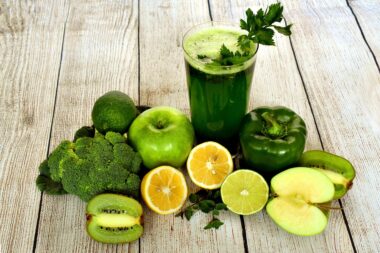
Antioxidants aid muscle recovery through various biological mechanisms. One of these is by enhancing cellular repair processes while neutralizing free radicals created during exercise. The oxidative stress stemming from prolonged physical exertion can hinder recovery; thus, antioxidants help restore balance. They contribute to repairing the muscle membrane and reducing inflammation, a significant barrier to effective recovery. Antioxidant-rich foods can also promote blood flow, ensuring that vital nutrients reach the muscles more efficiently post-workout. Additionally, antioxidants may support the repair of damaged tissues, leading to quicker recovery times. By incorporating fruits and vegetables rich in these compounds into post-workout meals, individuals can provide the necessary building blocks for muscle regeneration. Some examples include berries, spinach, and green tea, which not only offer antioxidants but also other beneficial nutrients essential for recovery. Furthermore, studies have shown that carefully timed intake of antioxidants may yield the most significant benefits, aligning with periods of maximum oxidative stress right after workouts. Thus, understanding how to harness the power of antioxidants can be key to improving your overall workout recovery strategy.
Several studies have explored the effects of antioxidants on recovery times among athletes. Research indicates that these supplements can reduce muscle soreness, allowing individuals to return to their training regimes more quickly. A study on trained athletes revealed that those who incorporated antioxidant supplementation showed less muscle damage and inflammation compared to those who did not. The primary antioxidants studied include vitamin C, vitamin E, and polyphenols found in various fruits and vegetables. It’s essential to recognize that while antioxidants can play a role in muscle recovery, they should ideally come from whole food sources rather than isolated supplements. Whole foods provide benefits beyond antioxidants alone, such as fiber and other vitamins and minerals that can further support recovery. Adopting a balanced diet rich in color variety is crucial, as different antioxidants serve unique roles in combating oxidative stress. However, overconsumption of antioxidant supplements may inhibit the body’s adaptive responses to training, potentially limiting training benefits. Therefore, moderation is key in utilizing antioxidants to ensure optimal performance and recovery outcomes while maintaining the physiological adaptations necessitated by consistent training.
Antioxidant-Rich Foods to Include Post-Workout
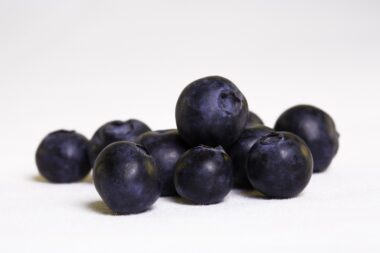
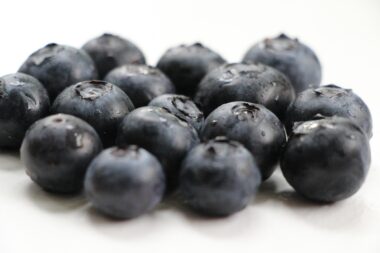
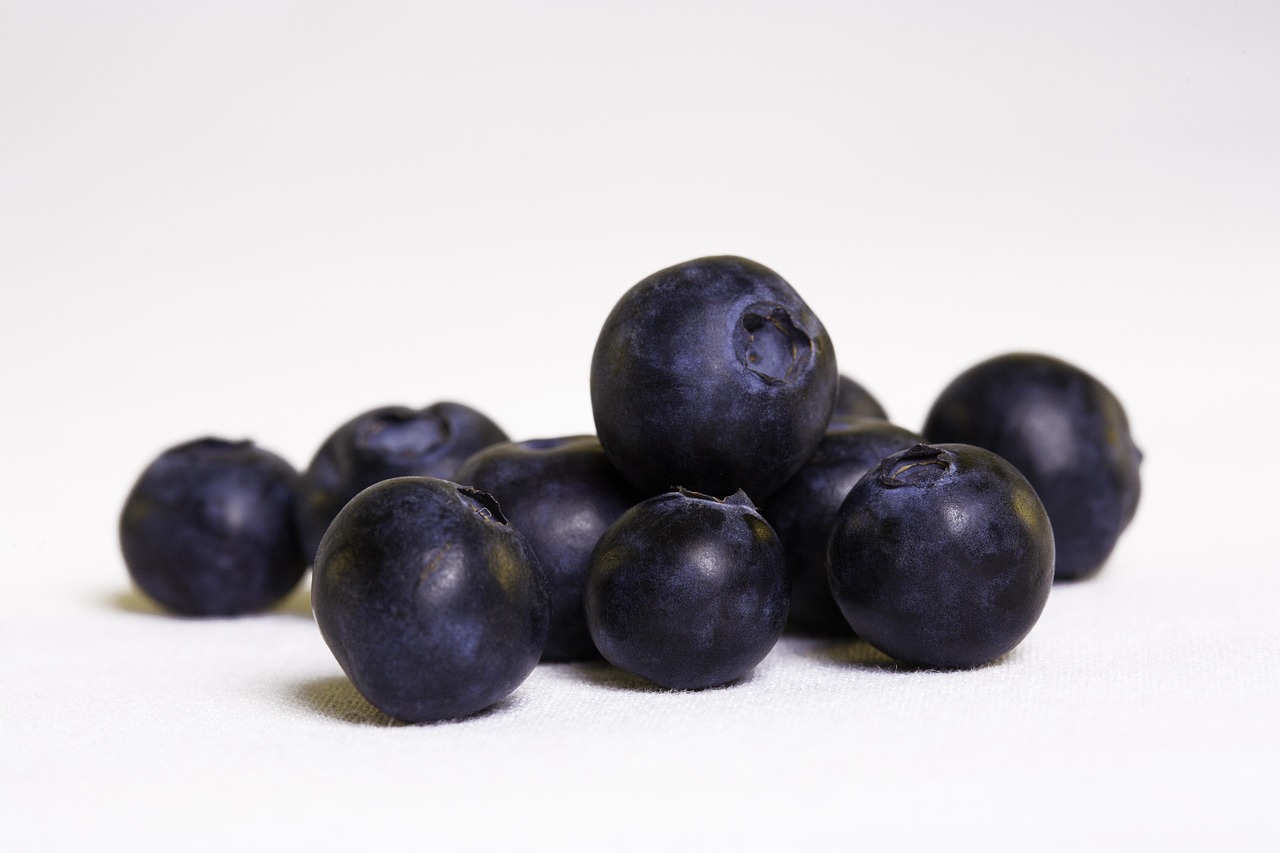
Incorporating antioxidant-rich foods into your post-workout nutrition is essential for maximizing and optimizing muscle recovery. Some superior choices include berries, dark chocolate, artichokes, and kidney beans. Berries, such as blueberries and strawberries, contain high levels of vitamins C and E, which are known for their protective effects against exercise-induced muscle damage. Dark chocolate, particularly varieties with high cocoa content, is rich in flavonoids that provide potent antioxidant benefits. Artichokes not only supply fiber but are also loaded with antioxidants that aid in liver detoxification, supporting recovery. Additionally, kidney beans offer a healthy dose of protein and antioxidants, vital for muscle repair after a workout. Consuming these foods following exercise can enhance your body’s recovery processes more significantly than processed sports supplements. Combining these ingredients into a post-workout shake or meal can be an effective strategy to deliver the nutrients needed to recover efficiently. Pairing these antioxidants with protein will further enhance muscle repair, helping you reach your fitness goals faster and more effectively while boosting overall health.
It’s essential to pay attention to the timing and combination of nutrients post-exercise. Although antioxidants have beneficial roles in recovery, it’s crucial to consume them alongside adequate protein sources. Protein aids in muscle repair and should be prioritized in the post-workout meal. A balanced approach to recovery involves knowing how to time your antioxidant intake effectively. Research has shown that the peak of oxidative stress occurs shortly after exercise. Therefore, consuming high-antioxidant foods and protein shortly after workouts could significantly enhance recovery. Some athletes may prefer utilizing post-workout smoothies with spinach, berries, and protein powder for an optimal mix. This approach not only satisfies nutritional needs but also promotes cellular recovery through a rich antioxidant supply. Understanding which timing supplements your protein intake can fine-tune recovery protocols. An effective recovery strategy combines whole foods and antioxidants in balance, further promoting muscle regeneration. Overall, staying conscious of your nutrient timing and composition offers a considerable advantage in improving workout recovery and performance.
Potential Risks of Excessive Antioxidant Consumption
While antioxidants are crucial for recovery, excessive intake can lead to potential risks and negative health effects. Overloading on antioxidant supplements may interfere with the body’s natural adaptation processes to stress. During exercise, the body generates oxidative stress that’s part of the adaptation mechanism, allowing it to improve performance over time. A study found that antioxidant supplementation could blunt the benefits of endurance training by diminishing the body’s natural responses. This points to the need for a balanced approach to antioxidant intake. Rather than relying solely on supplements, focus on a whole-food diet rich in natural sources of antioxidants to minimize risks. It’s consistently shown that obtaining nutrients through food promotes better health outcomes than isolated forms. Therefore, moderation is essential when considering antioxidant supplementation, particularly for athletes looking to enhance performance. Instead of turning to over-the-counter products, consuming a variety of fruits, vegetables, nuts, and seeds is advisable. A diet rich in these whole foods can provide necessary antioxidants while simultaneously supporting overall health and performance without negating training adaptations.
In summary, antioxidants play a significant role in muscle recovery by mitigating oxidative stress and promoting repair processes. They can help reduce muscle soreness and accelerate recovery time, particularly when consumed through nutrient-dense whole foods post-workout. However, it’s vital to approach their use with a clear understanding of timing, balance, and moderation. Incorporating antioxidant-rich foods like berries, nuts, and green leafy vegetables can ensure appropriate nutrient intake without the potential complications associated with excessive supplementation. Being aware of food combinations that also include protein sources can heighten recovery results. As research continues to unveil the relationship between antioxidants and muscle recovery, it becomes apparent that a well-rounded approach is paramount. Fostering a healthy diet that emphasizes whole foods alongside targeted nutrient intake will create an environment conducive to muscle regeneration and overall performance enhancement. Athletes and fitness enthusiasts alike should focus on holistic recovery strategies that consider not just antioxidant consumption but also ensuring adequate protein, hydration, and rest. With proper attention to these components, achieving fitness goals becomes more attainable, resulting in improved health and athletic performance.
Conclusion
Understanding the role of antioxidants in post-workout nutrition is critical for optimizing recovery and supporting muscle repair. Incorporating a balanced diet rich in antioxidant-rich foods enables athletes to harness their benefits effectively. These compounds work synergistically with other nutrients, playing a vital role in reducing oxidative stress and promoting faster recovery. By managing inflammation and aiding cellular repairs, antioxidants contribute significantly to athletic resilience. However, it is essential to remember the principles of moderation regarding antioxidant intake, as excessive use of supplements could impair the body’s adaptations to physical training. Prioritizing recovery nutrition by focusing on whole foods offers a more balanced approach and minimizes potential risks. By adopting a comprehensive recovery strategy that integrates appropriate nutrients and timing, individuals can enhance their performance outcomes. Strong connections exist between antioxidant intake and improved muscle recovery; therefore, individuals seeking to further their fitness goals should understand how to utilize these nutrients effectively. This understanding fosters an environment that promotes recovery, allowing athletes to push their limits while safeguarding their health and enhancing their overall fitness journeys.