
Functional Movement Improvement with Pilates in Physical Therapy
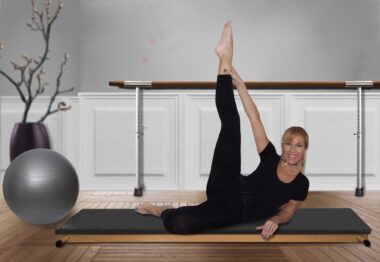
Pilates is a well-established form of exercise that focuses on strengthening muscles while improving postural alignment and flexibility. This method has gained traction in physical therapy settings due to its effective approach in rehabilitating and restoring functional movement patterns. Pilates emphasizes core stability, which plays a vital role in daily activities and athletic performance. Physical therapists often incorporate Pilates exercises to tailor rehabilitation programs that suit individual patient needs. The integration of Pilates into physical therapy fosters an environment where patients can learn about their bodies and engage actively in their own recovery. By focusing on mindful movement, patients not only regain strength but also improve their overall body awareness. This awareness leads to better movement mechanics and can help prevent injuries in the future. A personalized Pilates program can include exercises to strengthen specific muscle groups that are often underused. Overall, the synergy between Pilates and physical therapy creates a comprehensive approach that enhances functional movement, aiding in the recovery process and improving patients’ quality of life.
Functional movement is crucial for maintaining independence and performing daily activities, making it a primary focus in rehabilitation. Many patients in physical therapy face challenges that hinder their ability to move functionally. Pilates can be an effective solution to these challenges. It helps patients develop strength, balance, coordination, and flexibility, which are essential components of functional movement. By practicing controlled movements, patients learn to engage their stabilizing muscles, reducing strain on their joints and enhancing mobility. The principles of concentration and control in Pilates also help patients develop better motor patterns. This practice allows therapists to assess how patients move and adjust their rehabilitation plans accordingly. Additionally, Pilates encourages proper breathing techniques, which contribute to improved oxygenation and relaxation during exercises. Patients often report feeling more confident and empowered as they progress through their Pilates-based rehabilitation. Furthermore, engaging in Pilates fosters a sense of community among patients, as many classes welcome individuals at varying skill levels. By combining Pilates with physical therapy, patients not only work towards recovery but also gain tools for lifelong health and fitness.
The Role of Core Stability
The core muscles serve as a foundation for all movement, and strengthening this area is essential for healthy mobility. In Pilates, core stability is addressed through various exercises that target surrounding muscle groups, enhancing overall body strength and resilience. Physical therapists utilize Pilates techniques to identify weak or tight muscles that contribute to dysfunctional movement patterns. For instance, during rehabilitation for lower back pain, a therapist may implement exercises focused on the pelvic floor and abdominal muscles to create more support for spinal alignment. By fostering a stable core, patients can achieve greater control of their limbs, which is crucial for performing everyday tasks. The targeted movements in a Pilates routine can also alleviate discomfort in specific areas, improving overall functionality. Furthermore, enhanced core strength supports athletes in their performance, allowing for increased power and coordination. Many practitioners emphasize how a strong core not only facilitates recovery from injuries but also minimizes the likelihood of future incidents. In this way, Pilates becomes a pivotal component of physical therapy, addressing foundational aspects of movement health.
Integrating Pilates into physical therapy goes beyond core strengthening; it encompasses the development of balance and coordination as well. Patients with mobility issues can benefit significantly from balance exercises that are foundational in Pilates. These exercises often challenge the body to stabilize itself in various positions, simulating real-life scenarios. This functional training helps patients regain the confidence needed to navigate their environments safely. In addition, practicing balance through Pilates can improve proprioception, which is the body’s ability to sense its position in space. This improved awareness can be particularly beneficial for older adults or those who have experienced strokes or neurological impairments. By targeting these aspects, therapists can create a comprehensive program that focuses on mobility and functional independence. Pilates exercises can also be easily modified, making them accessible for individuals at different levels of ability. As patients begin to master their balance and coordination, they often report a greater sense of accomplishment and motivation to continue their rehabilitation journey. Ultimately, this fosters a path toward recovery and self-sufficiency.
The Mind-Body Connection
The mind-body connection is a fundamental aspect of Pilates, which can greatly benefit patients in physical therapy. The practice of mindfulness during physical activities helps individuals become more attuned to their bodies, fostering an environment where healing can thrive. Through deliberate focus on breath, alignment, and movement, patients learn to listen to their bodies and understand their limitations. This heightened awareness not only contributes to better execution of exercises but also promotes mental engagement in the rehab process. When patients are mentally present, they are more likely to push through discomfort and stay committed to their recovery. In this way, Pilates enhances motivation, empowering individuals to take ownership of their rehabilitation. Furthermore, this integrative approach can alleviate feelings of anxiety and frustration often associated with recovery. By incorporating mindful practices, patients may experience an improvement in their overall emotional well-being along with physical gains. Ultimately, the mind-body connection serves as a catalyst for change, leading to holistic improvements in health when Pilates is utilized appropriately in physical therapy.
Many people may wonder how long it takes to see results from incorporating Pilates into a physical therapy routine. While timelines vary greatly depending on the individual, commitment to regular practice generally leads to noticeable changes. Patients who actively engage in Pilates may experience improvements in flexibility, strength, and mobility within a few weeks to months, depending on the severity of their conditions. It’s important to note that consistency and proper guidance play significant roles in the efficacy of the program. Physical therapists often offer tailored regimens designed to address specific needs, ensuring that patients work on the right exercises to facilitate their recovery. Setting realistic goals can also help measure progress effectively. Often, establishing short-term objectives such as increasing movement range can create a positive feedback loop, motivating patients to persist. As confidence builds, patients may find themselves able to engage in more challenging exercises, further accelerating their recovery. The beauty of Pilates lies in its adaptability, allowing significant progress to be made at each stage of recovery. With patience and dedication, patients can look forward to enhanced functional movement and an improved quality of life.
Tailoring Pilates Techniques
One of the remarkable aspects of Pilates is its versatility, allowing modifications to suit various needs and capabilities. This quality makes it an excellent complement to physical therapy, as each patient comes with unique challenges and goals. Therapists can assess individual movement patterns and customize exercises accordingly. For example, patients recovering from surgery may require gentler modifications of traditional Pilates moves, using props such as resistance bands and balls to reduce strain while building strength. Conversely, those looking to deepen their rehabilitation can progressively advance their routines as they gain confidence and ability. This thoughtful approach keeps patients engaged while also ensuring their safety and comfort. Moreover, therapists can introduce group classes that still acknowledge individual needs, thus promoting a community feeling while supporting unique recovery journeys. Utilizing equipment such as reformers and stability chairs can further enhance the experience, providing varied resistance and support options. Ultimately, the flexibility embedded in Pilates practices allows physical therapists to craft personalized pathways that accommodate distinct recovery speeds and styles, making rehabilitation more enjoyable and effective for everyone involved.
In conclusion, the combination of Pilates with physical therapy creates an effective framework for improving functional movement. This multifaceted approach provides patients with the tools needed to regain strength, balance, and awareness. The supportive nature of Pilates not only caters to physical needs but also fosters mental resilience, empowering individuals to take charge of their rehabilitation. With an emphasis on core stability, balance, and mindfulness, Pilates successfully addresses essential components of mobility and functionality. As patients progress through their recovery journeys, they gain valuable skills that can be carried into their lives beyond physical therapy. Through consistent practice and dedication, individuals can reclaim their independence and better their overall quality of life. The positive outcomes associated with Pilates-based physical therapy are tangible, making it a premier choice for patients seeking to enhance their functional movement patterns. As more therapists continue to recognize the benefits of this practice, Pilates will likely become an even more integral component of rehabilitation settings. Thus, engaging in Pilates not only aids in recovery but also establishes the foundation for a healthier future.