
Yoga and Pilates Mentorship: Growing Skills Through Supportive Relationships
In the expansive realm of wellness, yoga and Pilates have carved out significant niches, attracting diverse followers. The focus on mindfulness and holistic wellness in both practices serves to underline their importance in today’s hectic world. Yoga emphasizes flexibility, strength, and balance alongside mental wellness, while Pilates emphasizes core strength and stability. Each discipline provides an opportunity for personal growth, offering benefits that extend beyond the physical body. The journey of mastering either practice is often enhanced through mentorship, where experienced instructors provide guidance to newcomers. This supportive dynamic fosters a sense of community, offering the chance for sharing knowledge, experiences, and personal stories. Mentorship in these fields allows for developing individual styles and understanding unique needs, which can be particularly advantageous to those striving to elevate their skills. In fact, these supportive relationships elevate the entire practice landscape by bridging gaps between different styles, backgrounds, and experiences. The value of mentorship in yoga and Pilates goes beyond mere instruction—it’s about creating lasting connections that inspire growth and empowerment. As participants progress, they embark on a profound journey toward self-discovery and improved well-being, reinforcing bonds through shared commitments.
The Importance of Community in Yoga and Pilates
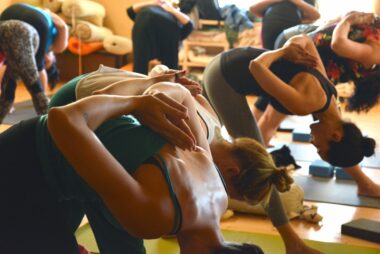
Within yoga and Pilates disciplines, community plays a crucial role in maintaining motivation and resilience. Not only does this sense of belonging enhance personal practice, but it also creates a network of support that encourages consistency and accountability. When individuals feel connected to others in their fitness journey, they become more likely to engage regularly in classes. This can be seen in local studios where practitioners come together, forming friendships and support networks. Additionally, instructors often share tips and guidance, empowering participants to explore their potential while feeling supported. Peer encouragement can foster a non-judgmental environment where individuals feel okay to express themselves and try challenging poses. The sharing of successes and struggles amplifies the mentorship aspect, making it a two-way street. Newcomers can learn invaluable lessons from seasoned practitioners who had similar experiences. Workshops and group classes are settings where mentorship thrives, allowing practitioners to connect and share what they learn, fostering deeper relationships. Overall, cultivating a sense of community in yoga and Pilates enriches the experience and encourages participants to evolve their practices within shared journeys.
Mentorship in yoga and Pilates often extends into the realms of skill development and teaching methodologies. Instructors serving as mentors offer insights that are deeply rooted in their experiences, ensuring that newcomers receive a rounded education. This relationship enables aspirants to navigate not only the physical aspects of yoga and Pilates but also the philosophical underpinnings that guide both practices. Aspiring instructors learn to develop their teaching styles based on personal philosophies while adapting to the diverse needs of their students. In forming these supportive relationships, mentors impart knowledge that incorporates elements of alignment, breath control, and movement principles, ensuring that emerging teachers are well-equipped to lead classes. By observing seasoned practitioners, novice teachers can learn the nuances of effective instruction and class management. The connection built through mentorship allows for open discussions, where questions can be raised without hesitation. Mentors provide constructive feedback, helping mentees refine their techniques and teaching style. This reciprocal exchange fosters professional growth and relationship-building within the fitness community, enriching everyone’s experience in both yoga and Pilates classes.
Building Trust Through Mentorship
The foundation of effective mentorship is trust, an essential component in yoga and Pilates communities. For mentorship relationships to thrive, students must feel comfortable expressing their goals, challenges, and areas for improvement. Mentors who create a safe space facilitate honest communication, which, in turn, encourages personal growth and self-reflection. These connections often flourish in smaller group settings, where a closer bond can be formed between instructors and students. Through open dialogues, mentors can address individual concerns, tailoring guidance to meet specific needs and navigating unique challenges faced by each practitioner. Establishing this trust encourages participants to embrace vulnerability, share their struggles, and learn from their mistakes. In the context of yoga and Pilates, where personal growth is a key focus, this dynamic is invaluable. Participants who engage openly with their mentors can better enhance their practices, leading to noticeable improvements over time. Furthermore, as trust grows, so does the overall sense of camaraderie in the group. Practitioners learn from one another, bolstering their commitment to the collective journey toward improved wellness in both body and mind.
Continuous learning is emphasized through mentorship, as instructors and practitioners alike remain committed to growing their skills. In the fields of yoga and Pilates, the ever-evolving landscape encourages ongoing education, making mentor-student relationships vital. This necessity leads to workshops and training courses that delve deeper into specific areas of interest, such as anatomy, sequencing, or special topics in wellness. Collaborating with mentors allows practitioners to discover new teaching styles, integrate innovative approaches, and refine their understanding of traditional methods. Knowledge sharing among peers enhances the collective experience, leading to enriched practices that benefit everyone involved. For mentors, witnessing their students’ progression reinforces their own teaching methods and deepens their understanding. This reciprocal growth cultivates an atmosphere where practitioners can flourish. Moreover, they can develop customized learning paths that align with their individual goals. Encouraging the spirit of exploration and inquiry, mentorship creates avenues for participants to chart their unique journeys through yoga and Pilates, ultimately forging a lasting mark on their health and fitness lifestyle. Embracing this continuum of learning fosters resilience, innovation, and strength within the community.
Challenges in Mentorship Relationships
While mentorship in yoga and Pilates offers immense benefits, challenges can also arise in these relationships. Misalignment can occur when expectations from mentors and mentees differ, leading to frustration and a sense of disconnect. Open communication from the onset is essential to establish clear goals, ensuring that both parties are aligned. Mentees must feel empowered to address their needs, which can prevent misunderstandings and foster a productive environment. Additionally, mentors need to remain adaptable, as each student presents unique circumstances that may require customized approaches to teaching. This adaptability ensures that practitioners are supported in ways that resonate with their personal journeys. The dynamics of group mentorship may also complicate relationships, as some individuals may thrive while others may not find their niche. It is essential for mentors to maintain a balanced approach, ensuring that every student feels included and valued. By addressing these potential challenges head-on, mentors can cultivate an environment conducive to learning and growth. Overcoming obstacles together strengthens connections between mentors and mentees, reinforcing the community’s overall resilience and harmony in their shared pursuit of wellness.
In conclusion, the significance of mentorship in the realms of yoga and Pilates is multifaceted. It fosters personal growth, cultivates strong community connections, and promotes continuous learning. Through effective mentoring relationships, aspiring practitioners gain valuable insights, helping them navigate their fitness journeys. The importance of trust, open communication, and adaptability cannot be overstated, as these elements form the foundation of a successful mentoring experience. As individuals come together, sharing their unique stories and aspirations, they develop a strong sense of belonging within the community. This is especially vital in the realms of fitness, where motivation may wane over time. Mentorship encourages practitioners to remain engaged, exploring their potential while sharing their successes and challenges with others. Moreover, the continuous learning aspect strengthens the knowledge base of both mentors and mentees, allowing for innovation within the practices. Such robust connections create a ripple effect throughout the community, benefiting everyone involved. By harnessing the power of mentorship, yoga and Pilates practitioners can enhance not only their skills but also their sense of well-being, camaraderie, and fulfillment in life.