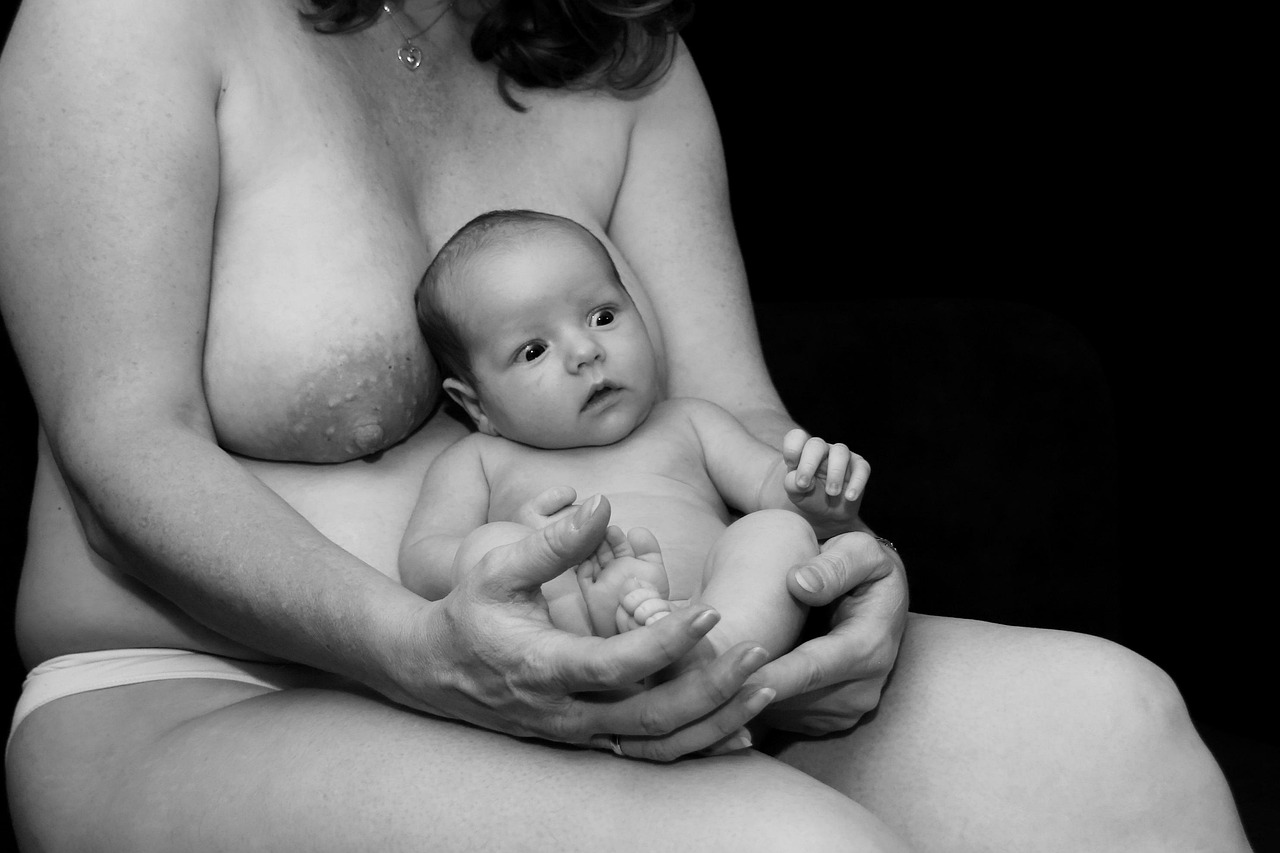

Postpartum Core Strength: Myths You Need to Know
Postpartum fitness is a critical area of interest for many new mothers as it directly impacts their recovery and overall well-being. One prevalent myth is that women should rush back into intense workouts after childbirth. However, this approach can be counterproductive and may lead to injuries or setbacks. Instead, new mothers should focus on strengthening their core gradually. This involves understanding how pregnancy affects the body and what modifications may be necessary. While it’s important to regain fitness, a careful and gradual return to exercise is preferable. An effective postpartum fitness routine includes pelvic floor exercises, which are often overlooked. These workouts can help improve core strength and stability, aiding recovery. Furthermore, recognizing that every woman’s journey is unique is crucial. While some may feel ready to start working out shortly after, others might require more time. Listening to the body is essential for recovery. Also, focusing on nutritional adjustments can aid in postpartum recovery and core strengthening. Women should consult with healthcare professionals to create a personalized postpartum fitness plan that respects their bodies and supports their unique needs.
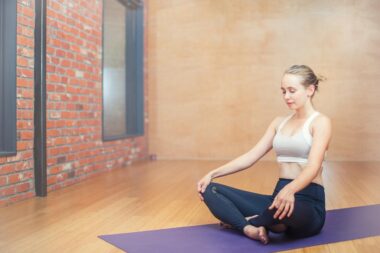
Another myth suggests that postpartum fitness should only focus on the abdominal muscles. While strengthening the core is vital, it’s equally important to engage in total body exercises post-delivery. Many new mothers may experience muscular imbalances due to the physical changes brought about by pregnancy. Thus, it is essential to work on the entire body rather than just isolating the core. Incorporating exercises that target the back, legs, and arms can enhance overall strength and stability. Moreover, misbeliefs about which exercises are safe also circulate. For instance, some might assume crunches are suitable for everyone after childbirth. However, traditional crunches can put undue stress on abdominal muscles, especially if they are still healing. Instead, women should consider safer alternatives, such as diaphragmatic breathing and modified planks. Engaging in yoga or Pilates can also provide holistic benefits, promoting flexibility and strength. Another important aspect to consider is emotional wellness. Fitness isn’t just physical; it contributes to mental health. Embracing a supportive fitness community can help new mothers staying motivated, connecting them with others facing similar challenges at this transition.
A prevalent misconception about postpartum core fitness is that abdominal separation is irreversible. Diastasis recti often occurs during pregnancy, yet many women believe their condition cannot improve after delivery. In reality, many exercises can help strengthen the abdominal wall and encourage healing of this separation. It is crucial to work on core support and be patient. Gentle movements gradually help the abdominal muscles come back together. Focusing on breathing techniques can be beneficial, as well as engaging in low-impact activities that don’t exacerbate the condition. Being informed about the potential for recovery is empowering for new mothers. Seeking guidance from a qualified postpartum fitness specialist can provide appropriate exercises tailored to individual needs. Additionally, some may feel discouraged if their core strength is not restoring quickly. Commitment and consistency are essential in this journey. Having realistic expectations fosters a more positive relationship with postpartum fitness. Gradually increasing the intensity and duration of workouts can be effective. Incorporating community support is also crucial; many find encouragement through local or online groups that focus on postpartum challenges.
The Role of Nutrition in Postpartum Recovery
Equally relevant to postpartum fitness is nutrition. Many women believe that they need to drastically cut calories to lose weight after childbirth. However, this could negatively impact their recovery, energy levels, and breast milk production. It is vital to nourish the body rather than deprive it. Balanced meals rich in vitamins, minerals, and sustained energy are important, especially during this healing period. Eating a variety of whole foods helps support recovery while maintaining energy levels for both mother and baby. Incorporating proteins, healthy fats, and whole grains into meals can foster overall health and aid in regaining strength. Moreover, staying hydrated is sometimes overlooked. Adequate water intake supports every bodily function and enhances recovery. A balanced diet also plays a crucial role in hormonal balance, which is essential for emotional health postpartum. Cooking healthy meals in batches can ease the stress of weekly meal prep. New mothers can streamline their nutrition efforts by having wholesome meals readily available. Seeking guidance from a nutritionist can also provide tailored recommendations based on individual dietary needs and preferences.
This transformation period is accompanied by a multitude of myths regarding exercise frequency. Some believe that daily intense workouts are necessary to reclaim fitness, but this can lead to burnout and feelings of inadequacy. It’s essential to find a balance between movement and rest, especially after the strain of childbirth. The aim should be consistency, not intensity. Engaging in short, manageable periods of exercise throughout the week can prove more beneficial than trying to adhere to a rigorous daily routine. Adapting to a new schedule is part of the postpartum experience. Incorporating activities like walks with the baby, gentle stretching, or at-home workouts can maintain activity without overwhelming fatigue. Aim for a non-competitive environment, focusing on personal achievements. This approach fosters a positive outlook toward fitness and encourages mothers to embrace their journey. Furthermore, it’s helpful to remember to celebrate small victories. Progress may come in various forms, such as improved stamina or flexibility, and recognizing these changes can boost motivation. Building a long-lasting relationship with fitness is more important than meeting societal expectations regarding postpartum recovery.
Understanding Emotional Well-Being
There are misconceptions surrounding emotional well-being during the postpartum period as well. Some may think physicality solely dictates fitness recovery. However, the emotional challenges accompanying motherhood can be significant. Women often experience postpartum depression or anxiety that can impact motivation and activity levels. Recognizing the emotional aspect is pivotal for holistic recovery. Seeking professional help is beneficial when emotions feel overwhelming. Mental health directly intertwines with physical fitness; thus, addressing these feelings can lead to more effective fitness implementation. Developing strategies like mindfulness, journaling feelings, or connecting with supportive friends can enhance emotional well-being. Additionally, practicing self-compassion is crucial during this period. Understanding that fitness journeys are unique can alleviate pressure. There is no timeline that fits all; therefore, celebrating every milestone, no matter how small, fosters a more positive mental state. Moreover, limiting comparisons with others’ recovery journeys can improve feelings of self-acceptance. Building a support network of other mothers sharing similar experiences brings valuable insights and assistance. Emotional health should be an ongoing conversation to promote a nurturing environment for new mothers and their families.
Ultimately, breaking free from postpartum fitness myths requires awareness and education. Accurate information can empower women to make informed decisions regarding their health and wellness post childbirth. Joining classes designed specifically for postpartum mothers can also provide resources tailored to their needs. Engaging with professionals specializing in postpartum fitness creates a foundation for a safe and effective recovery. Additionally, community resources can further enrich the journey. It’s vital to feel supported throughout this transition; connecting with others who understand can offer encouragement and guidance. Utilize online forums or groups focusing on fitness and wellness for newfound mothers. Sharing experiences fosters camaraderie, allowing women to uplift each other through the challenges of motherhood. Overall, acknowledging unique paths to recovery can alleviate pressure and create a more inclusive understanding of postpartum fitness. This allows women to embrace personal journeys rather than conforming to societal standards. Education helps foster an empowered mindset during postpartum transitions, ultimately leading to more fulfilling experiences. Each mother’s journey is unique and deserves respect; building healthy habits at this point sets the tone for long-term well-being.