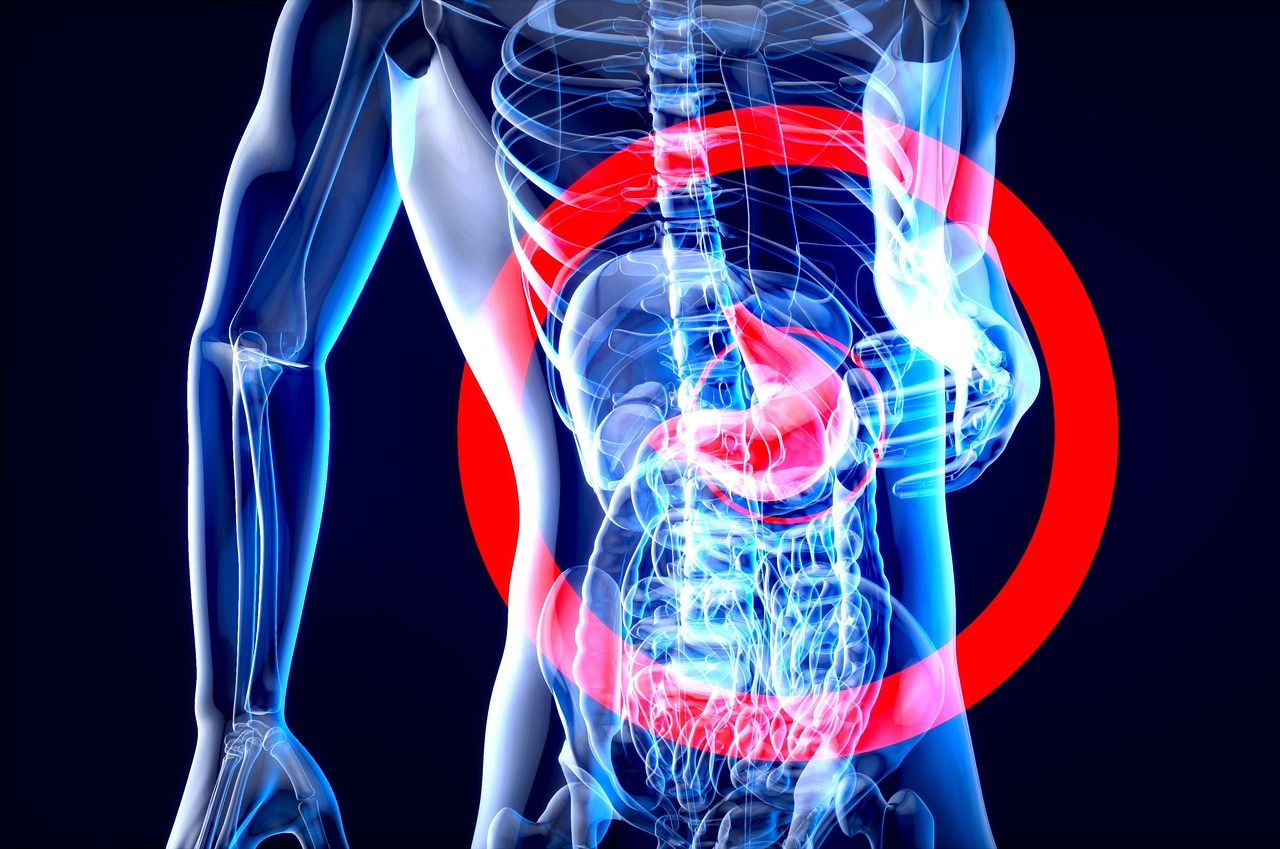

Testosterone and Its Effect on Digestive Health
Testosterone, a key hormone predominantly found in males, plays a significant role in various bodily functions. One of its lesser-known impacts is on digestive health. Testosterone influences the gastrointestinal tract, how it operates, and how nutrients are absorbed. Studies suggest that optimal testosterone levels can support digestive health by promoting gut motility and ensuring a balanced microbiome. When testosterone levels are low, individuals may experience digestive problems, such as decreased appetite or constipation. In addition to digestion, testosterone also plays a part in regulating energy levels, mood, and muscle mass, all of which can indirectly affect digestion. Therefore, maintaining adequate testosterone levels becomes vital for the overall health of the digestive system. To achieve this, lifestyle choices including exercise and nutrition should not be overlooked. Regular physical activity not only helps raise testosterone levels but also improves gut health. Nutrient-dense foods rich in vitamins and minerals contribute to the balanced hormone levels necessary for optimal digestion. It is essential to monitor testosterone levels regularly, especially for aging populations, to ensure good digestive health and overall well-being.
The relationship between testosterone and digestive health can be quite intricate. Low testosterone levels may increase the risk of developing gastrointestinal disorders. For instance, men with lower testosterone levels have reported increased incidences of inflammatory bowel disease (IBD). This association suggests that testosterone might have a protective role against gut inflammation. Furthermore, the hormone’s effect on the immune system can influence gut health as well. A properly functioning immune system is crucial for maintaining gut homeostasis, allowing good bacteria to thrive while keeping harmful pathogens at bay. Gastrointestinal health is exceptionally tied to overall health, and imbalances in hormone levels, specifically testosterone, can lead to systemic health issues. Addressing low testosterone through appropriate medical interventions can improve not just digestive health but overall quality of life. Additionally, certain dietary choices can boost testosterone levels and, as a side benefit, enhance digestion. Foods rich in zinc, such as shellfish and legumes, are vital for testosterone synthesis. Regularly incorporating these food sources can support testosterone levels, therefore benefiting digestive health. Understanding this interplay allows for better dietary choices and lifestyle habits to support digestive wellness.
Impact of Testosterone on Gut Microbiome
The gut microbiome houses trillions of bacteria, playing an essential role in digestion and health. It turns out testosterone also has an effect on this complex ecosystem. Research indicates that testosterone can influence the composition and diversity of gut bacteria, although the specifics of these changes remain a topic of study. A balanced gut microbiome supports optimal digestion and nutrient absorption while also affecting metabolic functions. Disruptions to this balance can lead to problems ranging from weight gain to gastrointestinal distress. Maintaining adequate testosterone levels can help ensure a diverse gut microbiome, leading to improved digestive outcomes. This relationship highlights the importance of hormonal balance in overall gut health. Hormonal shifts, especially during aging or changes in lifestyle, can impact the gut microbiome’s makeup. For instance, older adults typically experience a decline in testosterone, which correlates with a less diverse microbiome and increased gastrointestinal issues. Innovations in gut health, such as probiotics and dietary changes, may offer solutions for restoring balance, but attention to hormone levels remains key. Regular health check-ups can help manage any hormonal imbalances, promoting long-term digestive health.
One noteworthy avenue of exploration is the correlation between testosterone replacement therapy (TRT) and digestive health. For men experiencing symptoms of low testosterone, TRT can lead to significant improvements in overall health and wellbeing, including digestive function. Patients undergoing TRT have reported improved energy levels, better appetite, and a healthier digestive process. This potential therapeutic approach highlights the interconnectedness of hormonal health and digestive well-being. However, the decision to initiate TRT should come with careful consideration and medical guidance. It is essential to weigh the benefits against potential risks and side effects of such therapies. Furthermore, lifestyle modifications should complement any medical treatment. Incorporating a balanced diet rich in fiber, lean proteins, healthy fats, and probiotics can enhance digestive health while concurrently supporting testosterone levels. Probiotic-rich foods, such as yogurt and fermented vegetables, promote gut health by supporting beneficial bacteria. Adequately nourishing the body not only addresses digestive problems but can also enhance hormone production, creating a synergistic effect. Men seeking to improve their digestive health should consider both medical and lifestyle approaches to achieve optimal hormonal balance.
Testosterone’s Role in Managing Digestive Disorders
Understanding testosterone’s role in managing digestive disorders can prove instrumental for individuals facing challenges like irritable bowel syndrome (IBS) or chronic gastrointestinal discomfort. Some research indicates that testosterone may have an anti-inflammatory effect, potentially alleviating symptoms associated with digestive disorders. Inflammation is a common factor in many gastrointestinal issues, and hormones that promote anti-inflammatory responses can be invaluable for those suffering from these conditions. Again, maintaining balanced testosterone levels may play a role in easing discomfort and improving the overall quality of life. Comprehensive lifestyle changes should accompany any hormonal assessment; regular exercise can increase testosterone levels and subsequently benefit gut health. Stress management techniques are equally important, as stress negatively impacts hormonal balance. Practices such as yoga and mindfulness can help mitigate stress-related digestive problems. Supporting the body through lifestyle changes can create a holistic approach to managing digestive health. For individuals coping with chronic gastrointestinal disorders, integrating hormonal health assessments into treatment discussions with healthcare providers can yield promising outcomes. The intricate balance between hormones and gut health highlights the need for multi-faceted health strategies.
In conclusion, testosterone plays a pivotal role in digestive health, influencing everything from gut motility to the microbiome’s health. The intricate relationship between hormones and digestive health underscores the importance of maintaining balanced testosterone levels for optimal digestion. It is essential for both men and women, as hormone dynamics influence gut health in complex ways. Although testosterone is often considered primarily a male hormone, women also produce it, and its balance is vital for their health as well. Engaging in a healthy lifestyle and potentially seeking medical advice on hormone levels can lead to enhancements in digestive health. Nutritional choices, exercise, and stress management can synergize with hormonal treatments to create comprehensive health strategies. Over time, these combined approaches contribute to improved digestive outcomes. Those experiencing digestive issues should not overlook the potential impact of hormonal health. Regular dietary evaluations, health screenings, and consultation with healthcare professionals are proactive ways to monitor digestive and hormonal health in unison. As research continues to emerge, understanding the role of testosterone in digestive health may yield new strategies for improving overall well-being.
Future Research Directions
Looking ahead, further research is necessary to fully understand the multifaceted relationship between testosterone and digestive health. Studies investigating the specific mechanisms through which testosterone affects gut microbiota, digestive motility, and inflammation are crucial. This knowledge could pave the way for effective treatments, especially for individuals suffering from hormonal imbalances and digestive disorders. Additionally, exploring the effects of lifestyle factors, such as diet and exercise, on testosterone levels can yield valuable insights into holistic health approaches. It is also essential to consider gender differences in research, as both men and women face unique challenges related to hormonal balance and digestive health. A growing body of evidence suggests that personalized health interventions, tailored to individual hormonal profiles and digestive health needs, could provide significant benefits. As awareness of the significance of hormonal health continues to rise, future studies should prioritize the dynamics between hormones and digestive well-being. Ultimately, achieving a better understanding of these interactions can empower healthcare providers and patients alike. This can lead to more informed health choices and improved digestive health outcomes in diverse populations.
Ultimately, the interrelationship between hormonal health—particularly testosterone—and digestive health remains an important aspect of medical research. The direct effects of testosterone on gut health, along with their implications for treatment protocols in gastrointestinal disorders, are vital to explore. Given the increasing recognition of the importance of hormonal balance for comprehensive health, more studies are warranted. Emphasizing integrated care that considers both hormonal and digestive health could enhance patient outcomes significantly. Healthcare providers would benefit from incorporating hormone assessments in their evaluations of gastrointestinal symptoms. By doing so, they can foster a more precise understanding of patients’ health issues. The journey towards optimal health should involve multidisciplinary strategies that encompass all aspects of well-being. This holistic framework not only addresses hormonal imbalances but also reinforces the importance of digestive function as part of overall health. In the long run, prioritizing both digestive health and hormonal balance may contribute to better health outcomes. The future of healthcare lies in understanding and treating the body as an interconnected system. Treating hormones and digestion in tandem is likely to pave the way for innovative therapies, making strides toward improved health and balanced lives.