
How to Use Functional Fitness to Improve Posture at Work
In today’s fast-paced world, many professionals struggle with maintaining good posture at work. Functional fitness is a practical approach that can help address this issue. By integrating simple exercises that mimic everyday movements, busy individuals can enhance their hip, back, and shoulder strength. These exercises not only improve core stability but also reinforce proper postural alignment. Supporting the body through various functional movements contributes to reduced discomfort during long working hours. Moreover, functional fitness enhances flexibility, thus promoting easier movement during daily tasks. So, how can one incorporate this into a packed schedule? The key is to be mindful of quick, effective workouts that can be performed in short bursts throughout the day. Emphasizing exercises targeting specific muscles used during sitting or standing will counteract the negative impacts of prolonged postures. Aim for a minimum of ten to fifteen minutes of functional activities spread across the day. This not only helps in reducing tension but also bolsters overall fitness while reinforcing good posture habits. Functional fitness can revolutionize your work experience by addressing pains caused by poor posture during prolonged sitting.
Another effective way to implement functional fitness for improving posture at work is through desk exercises. These exercises can seamlessly fit into your work routine, providing relief from stiffness experienced throughout the day. Start with simple movements such as neck rolls and shoulder shrugs, which can be done right at your desk. Stretching is too often neglected in busy environments, but it is crucial to prevent tightness and discomfort. Incorporating stretches targeting the chest and upper back can help open up the body, reducing the risks associated with slumped shoulders. Consider dedicating a few minutes during break times to practice these stretches. They can be brief yet impactful. Additionally, standing or walking meetings encourage movement while discussing crucial work matters. The key is to actively engage in your body’s movement rather than waiting for traditional exercise times. Make sure to pair these exercises with reminders to check your posture. Through regular practice, you’ll find yourself maintaining better alignment naturally. Furthermore, being aware of your body’s positioning will ultimately translate into longer-term benefits for your posture during work hours.
Strength Training for Better Posture
Functional strength training is a cornerstone for improving posture, particularly for a sedentary work lifestyle. Strengthening the muscles that support your spine is essential, as these are often neglected due to prolonged sitting. Exercises focusing on the core, glutes, and back can significantly reduce tension. When time is limited, consider performing exercises like planks, bridges, and rows. Completing a short, focused workout can be beneficial, even if performed within just fifteen minutes. These techniques improve muscle endurance, ultimately aiding daily postural alignment. Resistance bands are a practical tool for enhancing strength while fitting seamlessly into a busy routine. They can be easily stored in your office and used to perform various exercises throughout the day. Another highly recommended option is bodyweight exercises, which can be completed virtually anywhere. Squats, lunges, and push-ups require no equipment and improve overall function and stability. By integrating strength training into your lifestyle, you will not only feel stronger but also significantly enhance your daily posture. Consistent practice of functional strength training leads to better overall wellness, increased mobility, and effective posture control.
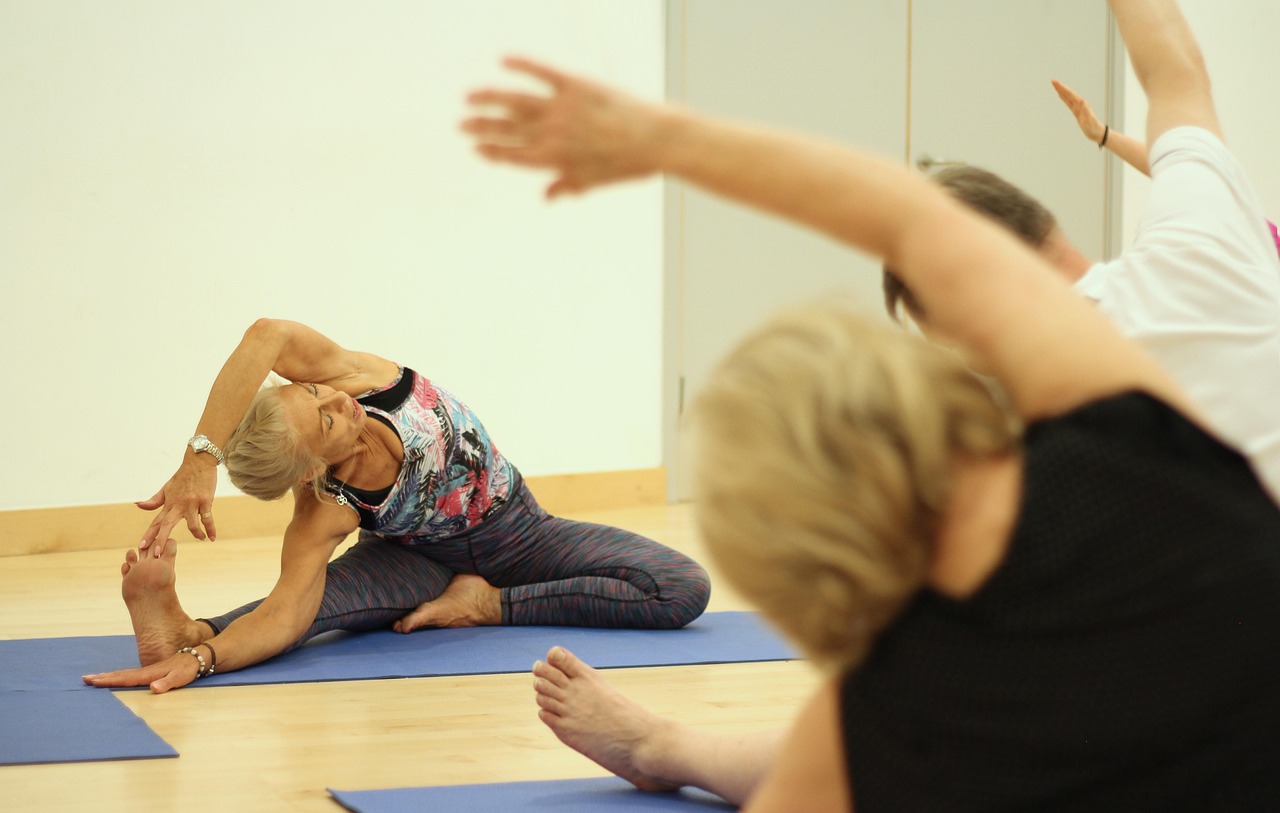
Beyond strength training, flexibility plays a crucial role in maintaining proper posture. Incorporating yoga and stretching into your routine enhances your body’s ability to respond to various movements effectively. Simple yoga poses like Cat-Cow, Child’s Pose, and Downward Dog can provide significant relief for the back and help prevent muscle strain. Many of these poses can be performed easily in the workplace. Just a few short sessions of stretching throughout the day can bolster your ability to maintain good postural alignment and alleviate discomfort. This adaptability is essential for busy professionals who often find themselves at their desks for extended periods. In addition to yoga, foam rolling can serve as an excellent form of self-massage to release tight muscles. It promotes increased blood flow and can provide immediate relief from muscle tightness. Commit to a consistent routine, allowing for at least a couple of minutes each day dedicated to mobility and flexibility work. By addressing both flexibility and strength, you’ll create a well-rounded approach to combat the negative consequences of poor posture. Embrace regular practice in the office, and you will see a remarkable improvement in your overall well-being.
Utilizing Ergonomic Workstations
An ergonomic workstation is another vital factor in maintaining good posture while working. Your workspace directly influences your alignment and comfort levels throughout the day. Invest in a chair that provides proper lumbar support and encourages an aligned back. Additionally, your workstation should be set up to ensure that your screen is at eye level, avoiding unnecessary strain on the neck and back. If possible, consider a standing desk or a convertible desk that allows for alternating between sitting and standing. This changes the body mechanics used, promoting better posture overall. Your feet should be flat on the ground or on a footrest while seated, which supports leg positioning. Monitor placement and keyboard ergonomics significantly impact posture as well. Keep the monitor’s top at eye level and maintain a relaxed shoulder position when working with your hands. Keeping your elbows bent at approximately a 90-degree angle can reduce fatigue throughout the day. Regularly revisiting and adjusting your workstation setup promotes ongoing awareness regarding posture correction. These measures can have a meaningful impact on your posture retention at the office, emphasizing the importance of adapting your workspace accordingly.
Taking breaks is an often-overlooked aspect of improving work-related posture effectively. Making time to reset your body regularly throughout the day can provide tremendous benefits for your posture and alleviate discomfort. A structured approach that includes short walking intervals can make a significant difference. Simply standing up, stretching, and moving around can help restore blood flow, refresh your mind, and improve focus. Consider setting a timer or reminder on your phone, prompting you to take short breaks every hour. Use these moments to incorporate some quick functional movements, whether it’s bodyweight exercises or just some simple stretching. This not only breaks up long periods of inactivity but also helps counteract the negative impact of prolonged sitting. Take the opportunity to engage your core and perform mobility exercises. Failing to recognize the value of breaks may ultimately lead to physical discomfort, reduced concentration, and lower productivity. Prioritizing active breaks during your busy schedule allows you to maintain a strong and aligned posture. It’s essential to be mindful of the body’s needs and establish routines that allow for restorative quick exercises throughout the day.
Final Thoughts on Functional Fitness
To summarize, integrating functional fitness into your busy lifestyle is crucial for improving posture at work. Emphasizing strength training, flexibility, ergonomics, and regular breaks can create a more supportive environment for your body. It’s essential to prioritize short, effective workouts, making them accessible throughout the day. By taking deliberate actions such as adjusting your workstation and incorporating micro-exercises, you can counteract the negative impacts of long hours of sitting. Combining these elements will foster a holistic approach for your well-being. Dedicating yourself to understanding your body’s movements will lead to more mindful postural habits over time. While it may seem challenging initially to fit fitness into your busy life, consistent practice and consideration of your physical needs will lead to significant changes. Start small and gradually increase your commitment to these practices, as every action contributes to your overall posture health. Ultimately, being proactive about your posture will result in enhanced productivity, comfort, and overall quality of life. Encourage your coworkers to join you in embracing functional fitness routines, creating a supportive community focused on well-being and health.