
How Obstacle Course Training Can Complement Other Athletic Activities
Obstacle course training (OCT) has emerged as a dynamic approach to enhancing physical fitness. This method involves navigating through various challenges, from climbing walls to crawling under obstacles. By participating in OCT, athletes can boost not only their physical strength but also their mental resilience. This multifaceted training promotes agility, speed, and flexibility, crucial for many sports such as rugby or soccer. In addition to these aspects, OCT encourages teamwork and strategy, as many courses are set up collaboratively. By integrating obstacle training into regular workout routines, individuals engage in fun yet exhilarating fitness workouts that keep them motivated. Moreover, the diverse nature of obstacles dispatches conventional workout monotony. Engaging in these adventurous tasks can significantly reduce exercise fatigue. Therefore, athletes who wish to elevate their performance may find valuable benefits through OCT. This training not only enhances core strength but also improves cardiovascular health, making it a comprehensive fitness solution. Consider adding obstacle techniques into your regimen to foster an engaging fitness journey and unlock untapped athletic potential. Anyone looking to diversify their fitness routine should definitely look into this fruitful training method.
Incorporating obstacle course training into a fitness routine can greatly enhance overall athletic ability. This training method fosters essential skills such as balance, coordination, and agility, vital attributes for numerous sports. Athletes from various backgrounds can benefit significantly from this type of training. When performing various faultless actions, each aspect trained strengthens the entire body. Plus, the practical application of obstacle training mimics real-life situations which athletes encounter during competitions. For instance, runners significantly improve their performance by training on uneven terrain, mimicking race conditions that often include hills and barriers. The unpredictability of obstacles can build a higher level of confidence, enabling athletes to perform better under pressure. Furthermore, the camaraderie formed amongst trainees boosts motivation and fellowship, offering an enjoyable experience. Pairing obstacle training with running, swimming, or cycling can elevate these sports and make them more rewarding. For those interested in looser setups, trail running or group challenges can enrich the experience. When seeking a sport-specific edge, try blending obstacle course training into your regimen to obtain superior results in your athletic pursuits.
Building Strength and Endurance
One major benefit of obstacle course training is the development of strength and endurance, critical components of athletic performance. Participants engage muscles throughout their bodies, cultivating endurance necessary for long-duration activities. The combination of pushing, pulling, and climbing significantly engages multiple muscle groups. Such a full-body workout ensures that no muscle is left behind, contributing to balanced fitness. This is especially important for athletes who rely on diverse muscle use in their sports. During obstacle course sessions, participants often perform high-intensity exercises, which can lead to improved cardiovascular conditioning and stamina. The body learns to manage oxygen consumption effectively, ultimately maximizing athletic output. Over time, an enhancement in muscle endurance will propel athletes to surpass previous benchmarks, paving the way to improved results in their favorite sports. Therefore, those dedicated to honing their outlines should prioritize incorporating OCT into their training schedules. Strengthening crucial pulses leads to explosive growth, allowing athletes to thrive both physically and mentally. By embracing this training style, one will not only harness newfound strength but also endurance in tackling any athletic challenge that comes their way.
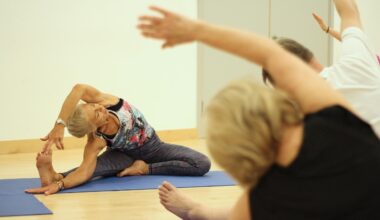
A further advantage of obstacle course training is its ability to enhance flexibility and mobility. When going through various challenges, trainees engage in diverse movements causing their joints and muscles to stretch and adapt. This is highly beneficial for athletes, as flexibility contributes to overall performance and reduces injury risks. Improved flexibility allows for better maneuverability during sports-specific tasks, making for a smoother performance. Training on an obstacle course challenges the body’s range of motion, encouraging adaptations that aid in diverse athletic endeavors. When athletes stretch beyond their regular routines, they are more likely to become adept at unexpected motions on the field. Better range and flexibility contribute to successful movement patterns, reducing the chances of injury over time. Adding obstacle course elements into routine training can lead to notable improvements in techniques, especially in tasks requiring fluid movements. Prioritize the development of flexibility with tactics present in obstacle courses, allowing for a seamless transition to sports performances. With these approaches, athletes can improve their mobility, ensuring they are prepared for any competition or challenge they might face in their respective domains.
Mental Resilience Through Challenges
Obstacle course training is also a powerful tool for developing mental resilience. When faced with physical challenges, participants cultivate mental strength needed to push through obstacles, essentially training the brain in conjunction with the body. This psychological component often translates to sports where athletes require focus and determination under pressure. By consistently practicing on an obstacle course, individuals learn to navigate difficulties, fostering a mindset of perseverance. Overcoming obstacles not only boosts self-confidence but also enables athletes to handle challenging environments gracefully. This improvement in mental fortitude becomes crucial in competitive settings, where mental strength can be a key differentiator. Furthermore, mastering obstacles equips athletes with strategies for tackling unforeseen problems they may face in their athletic careers. By embracing obstacles, trainees become adaptable, better prepared for the unpredictability of competition. Athletes can use this enhanced mental resilience to stay calm, focused, and effective in their performance. Adopting this mindset can truly elevate one’s game, whether in a traditional sport or an adventurous event. Therefore, obstacle course training should become a cornerstone in developing both physical and mental prowess for aspiring athletes to excel.
Nutrition and proper recovery go hand in hand with the benefits gained from obstacle course training. Although the physical and mental aspects of this workout are impressive, fueling the body appropriately can significantly influence results. For optimal performance, athletes should aim to consume balanced meals rich in nutrients. Incorporating carbohydrates, proteins, and healthy fats ensures that the body has the required energy for rigorous training. Protein, in particular, is essential for muscle recovery and growth. After engaging in an obstacle course session, adequate recovery is crucial for maximizing gains. This includes proper hydration as well, to replenish fluids lost during intense workouts. Engaging in adequate rest, stretching, and foam rolling can ease muscle soreness after rigorous obstacle courses. Creating a holistic program that emphasizes nutrition and recovery can propel athletes to achieve their performance goals. Additionally, the synergy between obstacle training and nutrition allows athletes to fully realize their potential. By paying careful attention to both training and nutrition, individuals can experience major gains in performance and injury prevention. Continuous improvement will be attainable through consistency, setting a solid foundation for growth and empowerment.
Conclusion
In conclusion, obstacle course training serves as a multifaceted method to enhance athletic performance across various sports. Its ability to build strength, endurance, flexibility, and mental resilience makes it an indispensable addition to any athlete’s training regimen. By incorporating it into their fitness routines, individuals can expect noticeable improvements in their overall athletic capabilities. Furthermore, the fun and dynamic nature of the system fosters motivation and teamwork while breaking the monotony of traditional workouts. As athletes engage with the diverse physical challenges presented by obstacle courses, they prepare their bodies and minds for competition more holistically. The additional cognitive skills cultivated during OCT sessions contribute to greater adaptability during high-pressure scenarios. With consistent practice and mindful nutrition, athletes can reap the maximum benefits of this comprehensive approach. Therefore, embrace obstacle course training as a vital resource for achieving athletic goals. Whether preparing for competitive sports or seeking personal fitness achievements, athletes will find exceptional value in taking their performance to a whole new level through this invigorating training method. Begin this rewarding journey now and unlock your true athletic potential.