
Ergonomic Accessories to Improve Your Posture at the Office
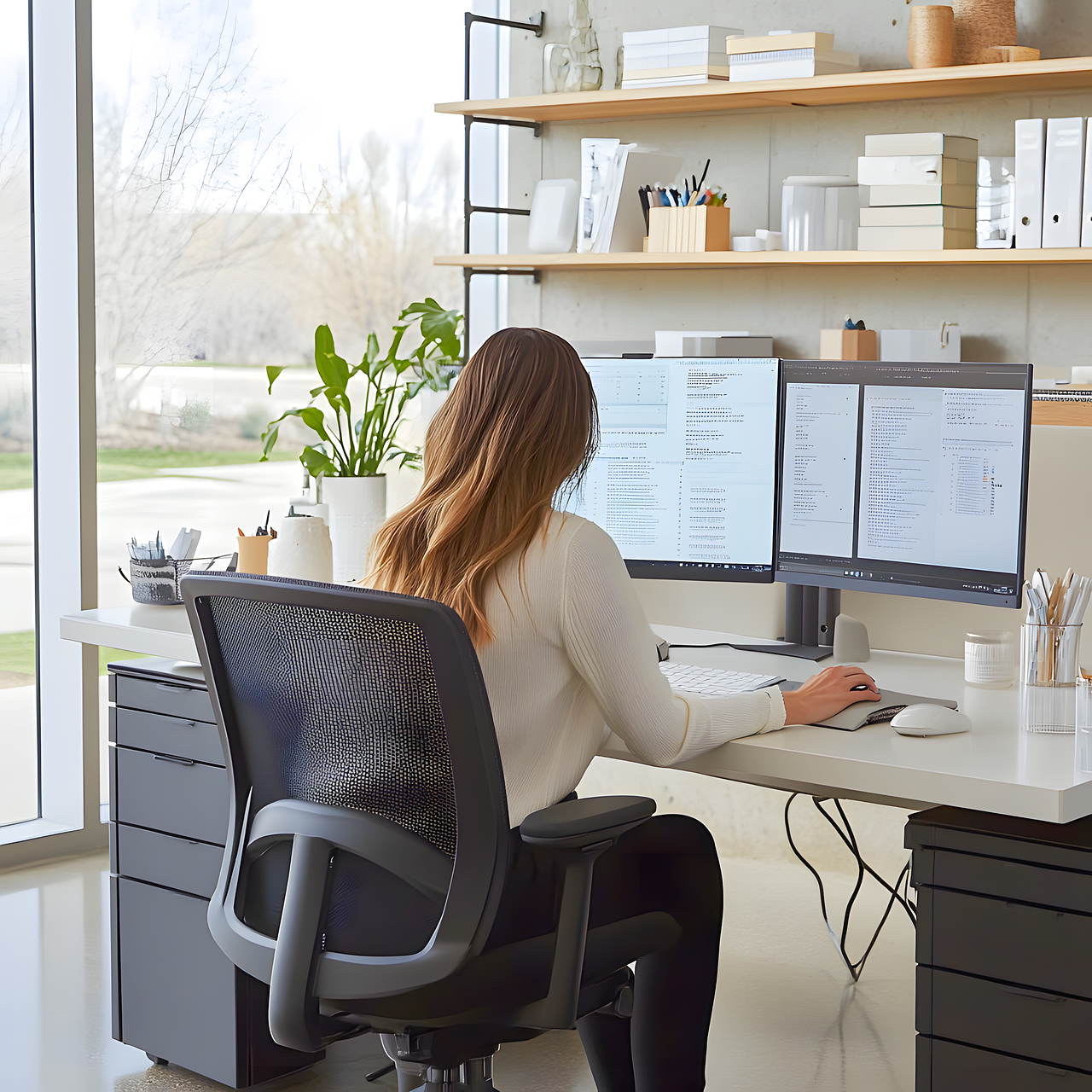
When it comes to enhancing your workspace, ergonomic accessories play a critical role in maintaining and improving posture. Investing in a high-quality ergonomic chair is essential for long hours spent sitting at a desk. Choose a chair with adjustable height, lumbar support, and comfortable cushioning, as this will significantly reduce strain on your spine and promote good posture. Additionally, support for your lower back encourages a naturally aligned spine. Furthermore, a standing desk allows you to alternate between sitting and standing throughout the day, which can greatly alleviate the discomfort associated with prolonged sitting. Pairing your desk with an anti-fatigue mat can further enhance this benefit, offering support to your feet, legs, and back. Don’t forget to position your computer screen at eye level, which helps avoid neck strain and encourages proper alignment of your spine. Accessories like keyboard trays and monitor stands can help achieve this alignment, reducing the need to reach and strain. Ultimately, a well-configured workspace combined with ergonomic accessories can lead to long-term health benefits and overall improved comfort during work hours.
Another important aspect of maintaining good posture is the use of ergonomic office accessories, such as wrist rests and footrests. Wrist rests provide essential support while typing, allowing your wrists to stay in a neutral position rather than in an uncomfortable angle. This can significantly reduce the risk of repetitive strain injuries such as carpal tunnel syndrome. Moreover, using a footrest helps keep your feet flat on the ground while seated, which in turn promotes a healthy posture by preventing slouching. These simple adjustments contribute to overall body alignment and reduce the strain on your back. Invest in a quality ergonomic mouse designed to maintain a neutral wrist position and reduce strain during computer use. This can vastly enhance your comfort and productivity during work. In addition, consider incorporating breaks into your routine, allowing yourself to stretch and adjust your posture throughout the day. Engaging in brief exercises can promote better blood circulation, keeping you energized and focused. Implementing these ergonomic accessories and practices enables you to create a healthier workspace, leading to improved well-being and productivity over time.
The Importance of Posture-Friendly Gear
Posture-friendly clothing and gear are equally important when it comes to maintaining proper alignment during the workday. One essential item is posture-correcting braces, which can offer immediate support and encouragement for maintaining proper alignment of the spine. These braces are ideal for individuals who struggle with posture due to prolonged sitting or standing. In addition, wearing comfortable, breathable clothing can enhance your overall comfort level, allowing for free movement without restriction. Tight-fitting clothing can hinder circulation and contribute to discomfort, ultimately affecting your posture negatively. For those who frequently travel or attend meetings, consider wearing ergonomic shoes designed with proper arch support and cushioning. Investing in comfortable footwear is essential to prevent foot fatigue and promote overall well-being. Quality walking shoes can also inspire greater movement throughout the day. Additionally, adjustable laptop stands can provide optimal screen height, further aiding in maintaining a neutral neck position. By making updates to both your clothing and gear, you establish an environment that actively promotes healthy posture and minimizes stress on your body.
Utilizing posture-friendly clothing during exercise or physical activity is essential to support your body’s alignment while working out. Activewear designed with moisture-wicking fabric can help regulate body temperature while simultaneously providing ease of movement. This is important to prevent injuries due to restricted motion during workouts. Furthermore, consider using heavy resistance bands built for posture improvement during strength training sessions. These bands assist in developing the necessary muscle groups responsible for maintaining good posture, thereby reinforcing proper alignment in both work and daily activities. Incorporate posture-focused exercises like yoga or Pilates into your routine, as these practices strengthen core muscles and emphasize proper alignment. Such activities can be complemented by wearing supportive athletic gear designed to enhance performance. Look for items that feature built-in support and cushioning, such as supportive sports bras or sneakers with adequate arch support. Adopting a comprehensive approach that includes both ergonomic items and posture-friendly clothing can maximize your overall comfort while promoting a healthier lifestyle, ultimately benefiting your posture throughout daily life and at work.
Customizing Your Workspace
Answering the question of how to optimize your workspace for good posture requires consulting ergonomic principles and accessing the right tools. Start with your chair, which should allow you to maintain a firm posture with feet flat on the floor and thighs parallel to the ground. Utilize adjustable chairs whenever possible, as they allow you to adapt your seating position when needed. Desk height should facilitate the ability to reach without leaning forward, promoting a more upright position. The arrangement of office supplies, such as keeping frequently used items within arm’s reach, can prevent excessive bending and twisting that may disrupt posture. Consider using document holders to position reference materials at eye level while typing. This promotes a neutral neck position, which is crucial for avoiding strain. Moreover, elevating your monitor with a riser can provide the desired viewing angle, encouraging a straight back throughout the workday. To maintain focus on your posture, consider using posture reminder apps to alert you when it’s time to realign or adjust your position, enhancing your awareness of posture while at work.
Encouraging ergonomic practices in the workplace not only benefits your posture but can improve workplace morale and productivity. Educating colleagues about the importance of posture-friendly practices fosters a healthy culture that promotes physical well-being among all employees. Consider organizing workshops for employees that explain ergonomic practices and demonstrate the benefits of proper alignment. Invite professionals to provide guidance on selecting ergonomic accessories for each workstation, ensuring everyone understands how to use them effectively. Additionally, regular reminders about the importance of standing, stretching, or changing positions throughout the day can motivate coworkers to adopt similar habits. Using visual cues, such as posters reinforcing good posture, can help keep everyone engaged. Taking breaks to provide both physical and mental recharge is equally vital, contributing to a healthier overall work environment. Be proactive in sharing personal experiences with organizations that prioritize ergonomics, showcasing positive impacts on productivity and morale. Ultimately, fostering an ergonomic workplace encourages a community of support while improving health and satisfaction levels among employees and ensuring they stay productive and engaged in their work.
Conclusion: Long-term Benefits of Ergonomics
Embracing ergonomic accessories and posture-friendly clothing in office environments paves the way for long-term benefits and improved quality of life. By prioritizing physical well-being, individuals can reduce the risk of musculoskeletal disorders and other workplace injuries. In addition, strong practices that incorporate ergonomic principles enable employees to maintain focus, decrease fatigue, and improve productivity overall. The initial investment in ergonomic tools pays off through reduced healthcare costs and absenteeism associated with discomfort and injury. Encouraging a culture of health and well-being delivers mutual benefits, yielding a healthier workforce while enhancing job performance. It’s essential to evaluate ergonomics regularly, utilizing feedback from employees to adjust workstations and accessories effectively. Continuous education about the importance of posture and ergonomic practices keeps the conversation alive, inspiring new initiatives for healthy working environments. To summarize, by integrating ergonomic accessories, clothing, and strategies, you can create a workspace that is not only physically accommodating but prevalent with opportunities for growth and improvement. The journey towards better posture leads to an uplifted work environment where comfort and collaboration thrive, resulting in happier, healthier employees.
It’s time to prioritize your posture and experience the numerous advantages of adopting ergonomic accessories at work. Investing in your workspace can yield lasting results, enhancing health and productivity. Embrace the journey towards a healthier work environment.