
Swimming Workouts That Complement Cross-Training Activities
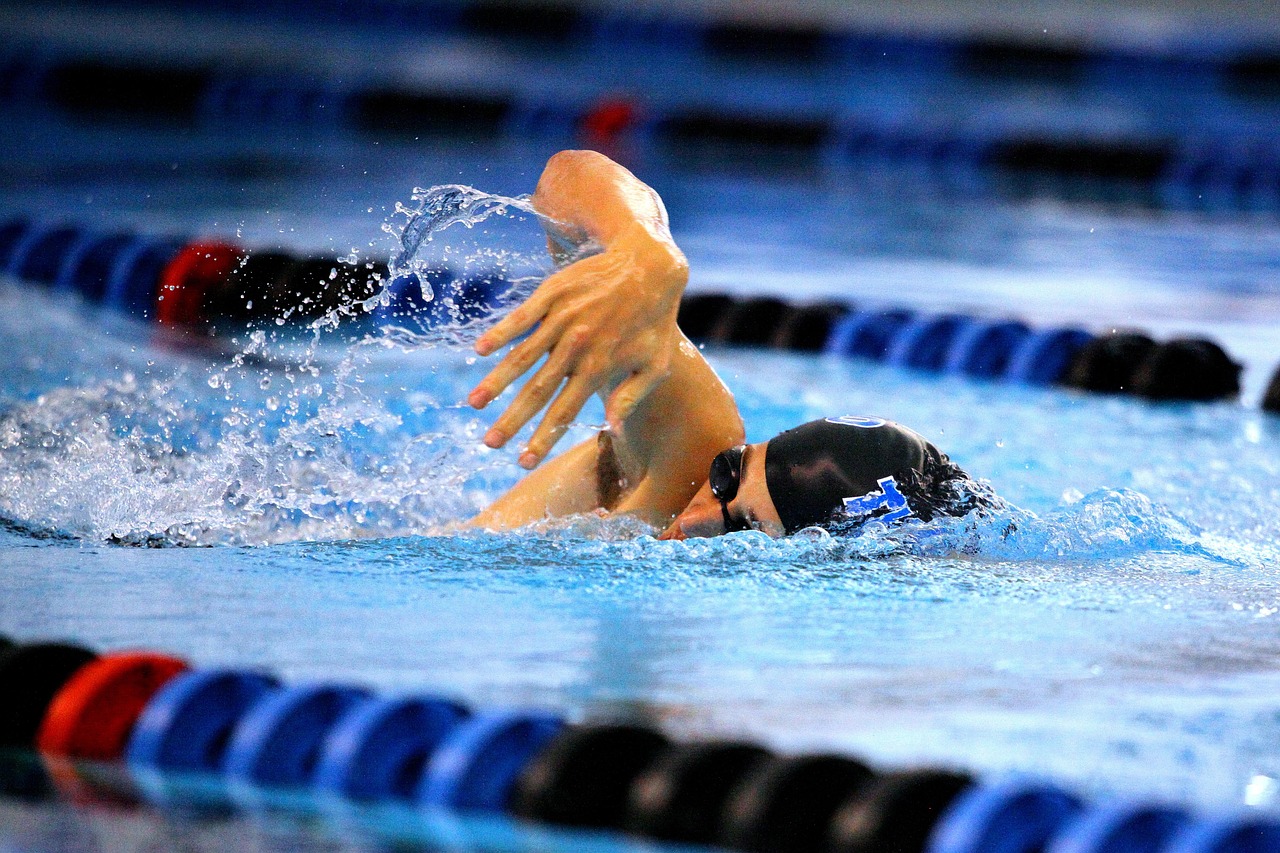
Swimming workouts effectively complement various cross-training activities, enhancing overall fitness. Incorporating swimming into your routine can boost endurance, improve muscle tone, and assist in recovery. Swimming is a low-impact exercise ideal for cross-training, providing cardiovascular benefits while reducing strain on joints. The gentle resistance of water works against your muscles, promoting strength. To maximize benefits, alternate between different strokes, such as freestyle, backstroke, breaststroke, and butterfly. This diversity can engage various muscle groups effectively, contributing to balanced strength development. Additionally, incorporating interval training in the pool can enhance aerobic capacity and increase energy expenditure. Sessions focused on sprinting will push your limits in short bursts, allowing for active recovery. Mixing swimming with running or cycling can provide adequate cardiovascular training while minimizing the risk of overuse injuries by diversifying the mechanics involved. Consider joining a local swim class to improve your technique, which can further enhance performance in other sports. Focusing on swimming workouts for cross-training allows for a well-rounded approach to fitness, ultimately leading to better results in your primary training regimen.
Swimming enhances flexibility and coordination, making it an excellent complement to land-based activities. While focusing on cross-training, it’s crucial to include strength training to create a balanced fitness routine. Swimming engages the core, chest, back, and legs, effectively working multiple muscle groups. To further bolster your swimming workout, consider integrating specific dryland exercises that improve strength and flexibility. Exercises like lunges, squats, and pushups can serve to prep your body for swimming movements effectively. Stretching is also essential; ensure you dedicate time to improve your range of motion. Incorporating yoga can promote flexibility and core stability, boosting swimming performance considerably. Additionally, paying attention to your nutrition will aid recovery and performance. Effective hydration is necessary for maintaining performance levels while swimming and cross-training. Fueling your body with the right nutrients post-exercise is essential to muscle recovery. Additionally, using swim aids like pull buoys and kickboards can focus on specific muscle groups, enhancing strength without excess resistance. Experimenting with various swim workouts can keep your routine fresh and invigorating, ultimately benefiting your overall athletic pursuits.
Choosing the Right Swim Workouts
Choosing the correct swimming workouts can greatly enhance your cross-training experience. Because every athlete has unique requirements, customizing your swimming routine to fit your broader fitness goals is essential. If your primary focus is running or cycling, consider swim workouts that emphasize aerobic strength and leg conditioning. A popular choice is performing distance swims with a focus on maintaining a steady pace, aiding your overall endurance. Alternatively, swimmers looking to improve speed may incorporate shorter interval sets, honing in on sprint efforts combined with rest periods. Setting specific goals during swim workouts will further enhance productivity; tracking your times and distances provides measurable progress. Furthermore, don’t shy away from incorporating drills targeting innovation in your swimming technique; improving stroke efficiency will pay dividends in strength and endurance across other activities. Collaborate with a swim coach for personalized guidance; their expertise can identify areas for improvement. Remember to warm-up adequately before diving into your swim sets, ensuring your muscles are prepared for exertion to prevent injuries. Ultimately, refining your swimming workouts can supplement and elevate cross-training endeavors.
Incorporating swim sets into your weekly training schedule can yield substantial benefits for overall fitness. Consider structuring your weekly workout plan to include at least two swimming sessions. Aim to balance swimming workouts with your primary training regimens; this creates a harmonious relationship between cardiovascular enhancement and muscle development. One effective approach is to schedule swimming sessions after strength training days, allowing active recovery while still promoting cardiovascular benefits. When performing swim workouts, ensure you pay attention to form; proper technique will not only maximize efficiency in the water but will also contribute significantly to muscle gain. Challenge yourself by engaging with friends or training partners; this social aspect can make workouts more enjoyable. Additionally, consider participating in swim meets or local competitions, giving your training purpose while fostering a sense of community. Monitoring your progress through time trials can also enhance motivation levels. Over time, gradually increase your swim distances or the intensity of your workouts to continue seeing improvement. Ultimately, consistency in both swimming and cross-training activities will lead to enhanced performance in your preferred sports and fitness routines.
Benefits of Mixing Swimming with Other Exercises
The benefits of mixing swimming with other exercises are numerous and impactful for any fitness enthusiast. Firstly, swimming can act as a recovery tool after intense weightlifting or running sessions, promoting active recovery without high impact. The buoyancy of water reduces stress on joints while providing resistance to build muscle strength effectively. This cross-training can help prevent injuries typical in repetitive motion sports like running. Additionally, incorporating swimming into your routine prevents boredom and helps combat stagnation in fitness progress. The diverse range of movements involved in swimming boosts cardiovascular endurance and equips your body with unique adaptations, optimizing performance across all terrains. Moreover, challenging oneself with different swim strokes can keep workouts exciting while constantly engaging various muscle groups. Always incorporate a dynamic warm-up and cooldown period, ensuring muscles are prepped for and recover from your workouts. Making swimming a staple in your training plan will complement other exercises while enhancing versatility. Ultimately, embracing a multi-faceted approach to fitness through swimming can open new doors to improvement, ensuring you stay motivated in your fitness journey.
Notably, swimming encourages mental resilience and discipline, valuable traits in any athlete’s toolkit. The focus required to improve swimming technique translates well into other athletic pursuits. As you learn to manage your breath effectively while swimming, you gain control that can help during running or cycling. Swim workouts provide an opportunity to practice pacing and maintaining focus over varying distances, enhancing mental toughness in other sports. Boost your performance by setting small, achievable goals within your swim workouts; this approach can aid motivation and encourage progressive improvements across all your cross-training activities. Swim alongside diverse athletes, learning different strategies and infusing creativity into your workouts. By fostering a growth mindset, you’ll be better positioned to overcome challenges in multiple areas of fitness. Emphasizing cross-training with swimming can provide an engaging break from regular routines while still working towards your broader fitness goals. Furthermore, developing your swimming skills enhances your confidence in the water, opening possibilities for future aquatic activities like triathlons or open-water swimming events. Remember to stay committed to your fitness journey; swimming can be an enjoyable and effective form of exercise.
Integrating Swimming into Your Routine
Integrating swimming into your fitness routine requires strategic planning to ensure optimal benefits. Examine your existing schedule and set aside specific times for swimming workouts each week. Consult a coach or trainer for credible advice on best practices for combining swimming with other movements. Focus on developing a solid swimming foundation by learning proper techniques and stroke mechanics. Prioritize regular swim sessions to develop endurance, strength, and discipline. Additionally, track your swimming performance metrics; this can include lap times, distances, and heart rate data. Aiming for improvement in these areas can significantly boost motivation levels. On days designated for swimming, incorporate cross-training techniques such as dynamic stretches and dryland drills targeting core strength. These elements will prepare your body for both swimming and other exercises, encouraging a well-rounded fitness approach. Don’t forget to listen to your body during these workouts; appropriate rest is vital in any training plan. Lastly, consider logging your swimming workouts to track progress and reflect on fitness journeys. Ultimately, successfully integrating swimming will yield a multitude of benefits, contributing significantly to your overall athletic development.
Regularly revisiting your swimming workouts to refine objectives can help maintain motivation, especially as fitness goals evolve. Engage with local swimming communities; this can provide valuable insights, motivation, and the sharing of techniques that promote mutual growth. Setting aside time for cross-training at the pool encourages social interaction, enhancing the fun aspect of your workouts. Remember the importance of recovery; using swimming as a tool promotes healing and revitalization. Consider alternating intensive swimming weeks with lighter swimming schedules to balance training loads and recovery. Creating a suitable environment for your swim workouts is also essential; consider joining a gym or community center with excellent pool facilities. This accessibility can ensure you maintain consistency in workouts. Finally, don’t hesitate to participate in swim clinics or workshops; they can offer specialized instruction and new techniques to enhance performance. Emphasizing the significance of continuous learning will further solidify swimming’s role in your athletic journey. By viewing cross-training through swimming as an opportunity for growth, you can ensure a fulfilling fitness experience that will resonate and inspire for years to come.