
10 Essential Exercises to Boost Flexibility and Improve Coordination
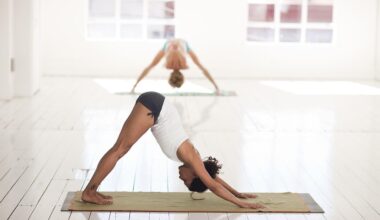
Improving flexibility and coordination is vital for people of all ages and fitness levels. Regularly engaging in specific exercises can provide numerous benefits, including enhanced performance in daily activities, sports, or fitness routines. Firstly, static stretches such as hamstring stretches and quadriceps stretches are excellent for increasing flexibility. These exercises help lengthen the muscles and improve overall mobility while minimizing stiffness. Moreover, dynamic stretches such as leg swings and arm circles can also prepare your body for more extensive workout routines. Incorporating such stretches into your warm-up can prevent injuries. Another great exercise is the yoga pose known as the Downward Facing Dog, which not only enhances flexibility but also effectively works on strengthening the core muscles. It’s essential to maintain proper form while practicing these poses to attain optimal results. Additionally, Pilates focuses heavily on core strength, balance, and flexibility through controlled movements. Engaging in Pilates sessions regularly can improve your body’s coordination and flexibility significantly.
Essential Flexibility and Coordination Exercises
One must not overlook the crucial role that balance plays in coordination exercises. Balance exercises such as tree pose and single-leg stands challenge the body’s stability while enhancing core strength. These balance-focused workouts can significantly enhance your proprioception, leading to improved body awareness. Incorporating foam rolling into your routine can also aid in flexibility. This self-myofascial release technique helps alleviate muscle tightness and promotes better blood flow, essential for muscle recovery. Additionally, resistance band workouts like banded leg raises target the hips while also improving both flexibility and coordination. Using resistance bands adds an element of challenge which promotes muscle engagement, leading to functional strength. Jumping rope is another engaging way to boost coordination and agility, benefiting both physical fitness and cardiovascular health. This rhythmic exercise encourages foot speed and overall coordination skills with consistent practice. Lastly, including barre workouts in your fitness routine combines strength training with flexibility and balance, making it a well-rounded approach to developing these essential skills.
It’s also beneficial to set realistic goals and track your progress while incorporating these exercises. Adopting a consistent schedule for flexibility and coordination exercises is essential for long-term improvement. Furthermore, ensuring proper nutrition and hydration plays a crucial role in supporting your training efforts. Proper hydration helps maintain performance levels and promotes recovery post-exercise. Regularly including a variety of stretching and stabilization techniques in your routine will yield long-lasting improvements. Skills such as flexibility and coordination don’t build overnight; patience and persistence are vital to seeing progress. Consider working with a fitness trainer or attending classes focused on flexibility and coordination for expert guidance. In doing so, you can better understand your capabilities and limitations. These professionals can also provide personalized adjustments to exercises based on your individual needs. Energie and creativity in your workouts lead to a more enjoyable fitness experience. Ultimately, the blend of these essential exercises not just enhances physical performance, but also cultivates a more harmonious body-mind connection.
Tips for Success in Training
To maximize the benefits derived from flexibility and coordination exercises, consistency is key. Rather than engaging in lengthy sessions only occasionally, short daily workouts can yield remarkable progress. This allows your body to adjust gradually, which is crucial for reducing the risk of injury. One effective approach is to incorporate these exercises into a circuit. This method not only helps in keeping your workouts engaging but also promotes endurance. Include a mixture of balance, stretching, and movement-based exercises within each session. Integrating breathing techniques can further elevate the effectiveness of your practice. Deep, controlled breaths can enhance focus and offer relaxation during these movements. Additionally, consider participating in group classes or strategy sessions with friends to boost motivation and accountability. Sharing goals and milestones with others creates a supportive environment while also making progress more rewarding. Research on flexibility and coordination frequently highlights the importance of maintaining a positive mindset. Understanding your body’s unique adaptations fosters a sense of achievement while navigating new progress boundaries.
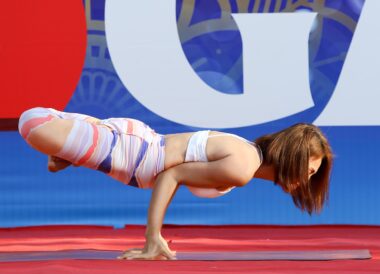
Remember, varying your workout environment may also help during training. Practicing on different surfaces, such as grass or a mat, can challenge your coordination in new ways. This helps develop resilience while navigating physical activities, preparing you for various outdoor scenarios. Listening to your body is another essential factor in determining the intensity of your workouts. If you experience discomfort or fatigue, adjust your practice accordingly. Focusing on quality rather than quantity of movements can prevent injuries and ensure exercises are effective. As you grow stronger, consider increasing the complexities of your routines. Advanced movements such as handstands or advanced yoga postures can greatly enhance balance and body awareness. Engaging in sports where agility plays a key role also enhances coordination. Sports like soccer, basketball, and martial arts demand quick reactions and precise movements. Such activities complement your workouts and lead to improved flexibility and strength. As you immerse yourself in these practices, you will likely notice a significant enhancement in your overall fitness and performance levels.
Conclusion: The Importance of a Balanced Approach
In conclusion, integrating a balance of flexibility and coordination exercises into your fitness regimen contributes to comprehensive physical well-being. This holistic approach not only enhances athletic performance but also supports daily activities, fostering an overall active lifestyle. The exercises highlighted include yoga, Pilates, resistance band workouts, and balance-focused routines, all essential to personal development in these areas. Achieving a well-rounded skill set revolves around purposeful training habits alongside varied workout strategies. Personalized adjustments to address individual goals pave the way for sustainable progress. Staying motivated through goal setting and tracking performance is paramount to maintaining engagement. Remember to embrace the journey of improvement through patience, persistence, and positivity. Acknowledging accomplishments, however small, builds confidence and encourages further growth. Lastly, it’s valuable to connect with fellow fitness enthusiasts or professionals for crafting tailored routines. Engaging in a dynamic capacity enhances motivation while making the journey enjoyable and impactful. A commitment to flexibility and coordination will yield lifelong benefits, not just in fitness but in everyday activities and overall quality of life.
Improving flexibility and coordination is vital for people of all ages and fitness levels. Regularly engaging in specific exercises can provide numerous benefits, including enhanced performance in daily activities, sports, or fitness routines. Firstly, static stretches such as hamstring stretches and quadriceps stretches are excellent for increasing flexibility. These exercises help lengthen the muscles and improve overall mobility while minimizing stiffness. Moreover, dynamic stretches such as leg swings and arm circles can also prepare your body for more extensive workout routines. Incorporating such stretches into your warm-up can prevent injuries. Another great exercise is the yoga pose known as the Downward Facing Dog, which not only enhances flexibility but also effectively works on strengthening the core muscles. It’s essential to maintain proper form while practicing these poses to attain optimal results. Additionally, Pilates focuses heavily on core strength, balance, and flexibility through controlled movements. Engaging in Pilates sessions regularly can improve your body’s coordination and flexibility significantly.
Essential Flexibility and Coordination Exercises
One must not overlook the crucial role that balance plays in coordination exercises. Balance exercises such as tree pose and single-leg stands challenge the body’s stability while enhancing core strength. These balance-focused workouts can significantly enhance your proprioception, leading to improved body awareness. Incorporating foam rolling into your routine can also aid in flexibility. This self-myofascial release technique helps alleviate muscle tightness and promotes better blood flow, essential for muscle recovery. Additionally, resistance band workouts like banded leg raises target the hips while also improving both flexibility and coordination. Using resistance bands adds an element of challenge which promotes muscle engagement, leading to functional strength. Jumping rope is another engaging way to boost coordination and agility, benefiting both physical fitness and cardiovascular health. This rhythmic exercise encourages foot speed and overall coordination skills with consistent practice. Lastly, including barre workouts in your fitness routine combines strength training with flexibility and balance, making it a well-rounded approach to developing these essential skills.