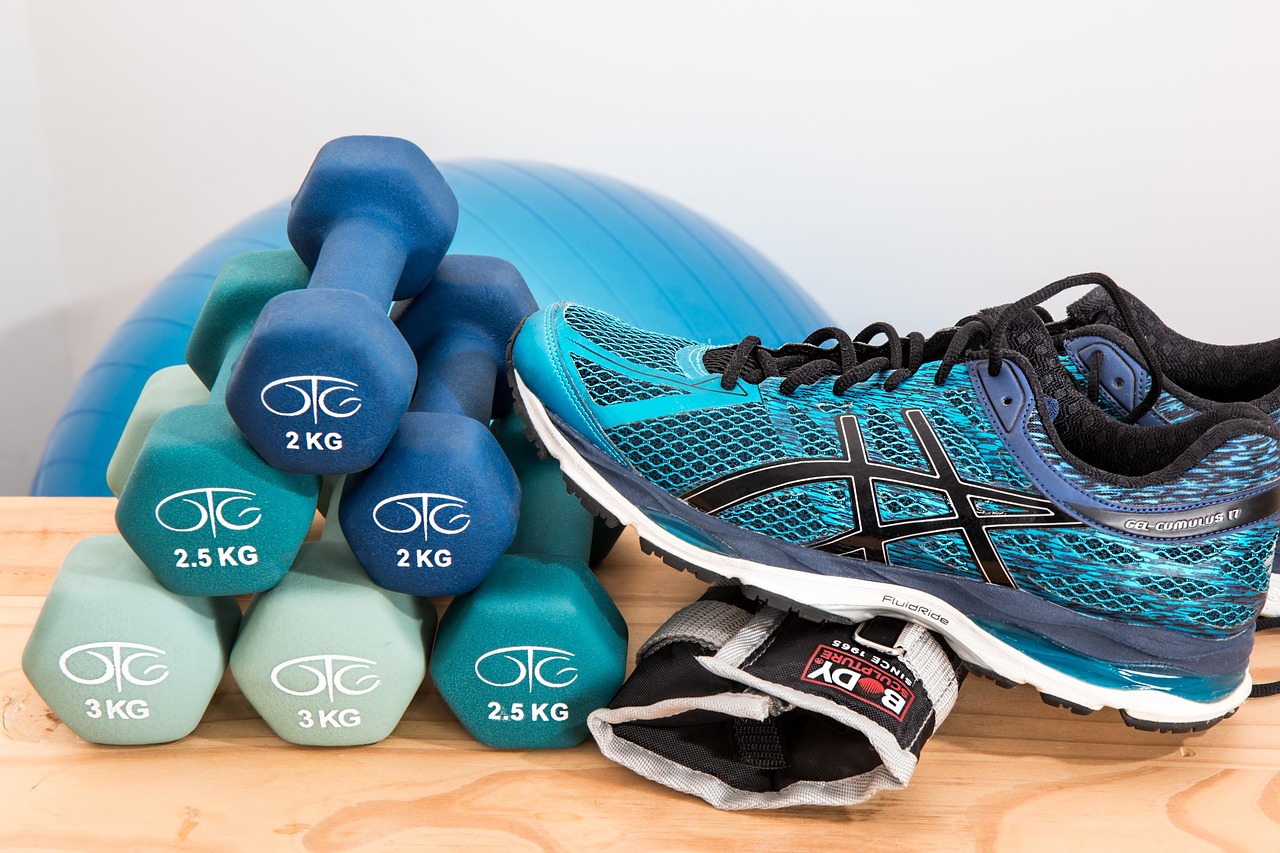

Cross-Training: A Holistic Approach to Functional Strength
Cross-training has become an essential strategy in fitness, promoting overall strength, flexibility, and endurance. This approach allows individuals to diversify their workouts by integrating various physical disciplines, such as weightlifting, running, cycling, or yoga. By incorporating different training techniques, participants can improve their functional strength while reducing the risk of injury. The primary benefits include enhanced muscle engagement, as the body learns to adapt and perform across multiple modalities. Furthermore, this balanced regimen combats fitness plateaus common to those who rely solely on one training method. While focusing on one discipline can produce quick results, it can lead to specific weaknesses and overuse injuries in the long term. Therefore, adopting a cross-training approach encourages engagement and excitement, making workouts more enjoyable. Coupled with improved strength and endurance, participants build a well-rounded fitness profile. This can lead to significant improvements in daily functional movements, from lifting weights to everyday activities. The adaptability seen in cross-training can benefit athletes of all levels, facilitating better performance in their chosen sports.
Different training modalities come with their unique advantages, as also encourages overall growth. Strength training typically enhances muscle mass, while endurance exercises improve cardiovascular health. Agility training focuses on quick movements and responsiveness, essential for many sports. Additionally, flexibility training helps maintain joint health and range of motion. By incorporating these diverse elements into a regular workout routine, individuals can create a comprehensive physical fitness journey. Combining practices such as yoga for flexibility, cycling for endurance, and strength training with weights allows for comprehensive conditioning. As a result, cross-training can enhance overall athletic performance, allowing the body to perform more efficiently. This method does not only cater to athletes but also contains immense benefits for everyday individuals seeking health improvement. Sit less, move more. This fundamental principle drives various training efforts, making cross-training ideal for all, from beginners to seasoned fitness enthusiasts. Balancing different types of training keeps engagements high and discourages boredom, leading to consistency and better results. As a strategy for lifelong fitness, cross-training offers a sustainable path toward health and wellness that can adapt as one’s needs evolve over time.
Injury Prevention through Diverse Training
Injuries can significantly disrupt fitness routines, leading to setbacks and frustration. One of the most compelling arguments for cross-training is its potential to reduce these risks. Engaging in a variety of workouts allows different muscle groups to work without succumbing to fatigue. When repetitive strain is introduced, injuries often follow; therefore, cross-training mitigates this risk. By varying the focus of workouts weekly or even daily, individuals can give specific areas of their bodies time to recover, while still maintaining fitness levels. This is particularly crucial for those returning from an injury; targeted recovery workouts can prevent re-injury while also helping to rebuild strength. Moreover, a balanced fitness approach contributes to better overall body alignment and stability, further reducing injury risks. For example, integrating flexibility and strength training helps reinforce muscles around joints, reducing vulnerability. The body becomes a cohesive unit with the synergy created through diverse exercises, leading to more resilient athletes and fitness enthusiasts alike. Creating a well-rounded fitness strategy equips individuals with the tools necessary to face various challenges, from everyday tasks to intense sporting events, with confidence and resilience.
Cross-training also fosters mental resilience, a crucial aspect often neglected in traditional training methods. By engaging in diverse workouts, individuals challenge their minds as much as their bodies. Every new activity stimulates the brain, promoting neural connections that enhance cognitive function, coordination, and reaction time. This improved mental agility can translate into better performance in various physical activities. When individuals undertake new challenges, the excitement of discovery can enhance the motivation to incorporate additional workouts, making fitness a lifelong journey rather than a task. Creating a fun and stimulating training environment encourages consistent engagement, another essential element for long-term success. Additionally, cross-training enables individuals to explore their interests, possibly revealing new passions that could lead to new fitness adventures. By striving for personal improvement and embracing industry developments, participants foster a mindset centered around growth. Such an attitude promotes joy and commitment to fitness, empowering participants to sustain their efforts. A fitness journey thrives on creativity, exploration, and exhilaration, ensuring individuals remain enthusiastic while reaching their goals. Therefore, embracing mental resilience through cross-training doesn’t just build muscles but also fortifies the spirit.
Enhanced Performance Across Disciplines
Cross-training naturally translates into better performance across specific athletic endeavors. Athletes involved in varied training will often notice significant gains in their primary sport, as the skills they develop extend beyond the gym. For instance, a runner may observe improvements in speed and endurance through weight training while also building muscle strength that contributes to better running dynamics. By strengthening the core through Pilates or yoga, athletes can enhance their balance, an essential aspect in nearly every athletic pursuit. The cross-pollination of skills achieved through different activities enhances their competitive edge, fostering overall improvement in performance. Whether someone participates in team sports or individual pursuits, cross-training provides advantages that correspond to their goals. Individual connections often happen in real-time; hence specificity leads to greater results in physical capabilities. Compound movements employed during particularly vigorous workouts significantly build functional strength, which athletes can then apply directly in competition. The adaptation and transfer of skills heighten focus, giving athletes a clearer advantage as they face opponents. With varied approaches to training, comprehensive improvements unfold over time, setting individuals up for long-term success.
Nutrition complements the holistic benefits of cross-training, ensuring athletes receive the nutrients necessary for sustained performance. Balancing a diverse workout regimen requires careful attention to dietary needs, focusing on whole foods, lean proteins, healthy fats, and complex carbohydrates. Proper nutrition supports muscle growth and recovery, fueling the body to endure intense multiple workouts per week. Individuals should tap into the benefits of hydration, vitamins, and minerals to support their cross-training efforts. Tailoring meal plans and snacks around workout timings can maximize energy levels and performance while curtailing fatigue. This consideration can align dietary habits accordingly for optimal training. Pairing eggs, fruits, or oatmeal pre-workout provides sustained energy, while post-workout protein assists in muscle recovery. Also, understanding the body’s signals is crucial. Investing in muscle care through massage or foam rolling after workouts supports recovery. Investing in one’s nutrition and self-care is paramount to maximizing the benefits of cross-training. Through the synergy of nutrition, workouts, and recovery, a powerful fitness experience emerges, ensuring individuals maintain their energy and enthusiasm on their fitness journey.
The Community Connection in Cross-Training
Cross-training not only builds individual strength but also fosters community among like-minded individuals. Being part of a supportive environment encourages accountability and camaraderie, which can significantly enhance the overall experience. Many fitness enthusiasts find motivation in group classes, where participants sweat together and challenge one another. The collaborative atmosphere generated by varying skill levels fosters a sense of belonging and shared purpose. Individuals from all walks of life come together, motivating each other to achieve fitness goals with renewed vigor. Creating a community around shared experiences enhances social connections, making workouts enjoyable and less of an obligation. The competitive edge introduced in group settings pushes participants to work harder, raising the standards for everyone involved. This positive reinforcement engages diverse perspectives while cultivating friendships. Ultimately, this social aspect translates into enhanced commitment and persistence, helping individuals stay on their journey. Participating in community workouts nurtures holistic growth, fostering strength not just physically but emotionally. Along with building formidable fitness levels, cross-training creates lasting memories and relationships, enriching lives beyond regular workout sessions.
In summary, cross-training embodies a holistic approach that cultivates functional strength, injury prevention, and mental resilience. By diversifying workouts, individuals can engage in a comprehensive fitness lifestyle that values growth over time. Every participant, whether an athlete or recreational fitness enthusiast, can benefit from this strategy—enhancing their overall performance and enjoying community connections. The adaptability that cross-training offers addresses various personal fitness needs, proving effective for long-term success. By exploring different training modalities, participants open themselves up to new experiences and satisfaction that traditional training may lack. Through effective nutrition and self-care, individuals can amplify the benefits gained from this diverse approach. Ultimately, cross-training advocates a balanced journey toward wellness, inspiring individuals to remain motivated and committed to their health goals. Whether proficient in high-impact sports or merely seeking a more active lifestyle, embracing this comprehensive training approach rewards them with functional strength and resilience. As the fitness world grows, the importance of cross-training will keep emerging, encouraging individuals to prioritize diverse practices while garnering maximum benefits and enjoying the process.