
The Role of Music in Enhancing Dance Fitness Retreat Sessions
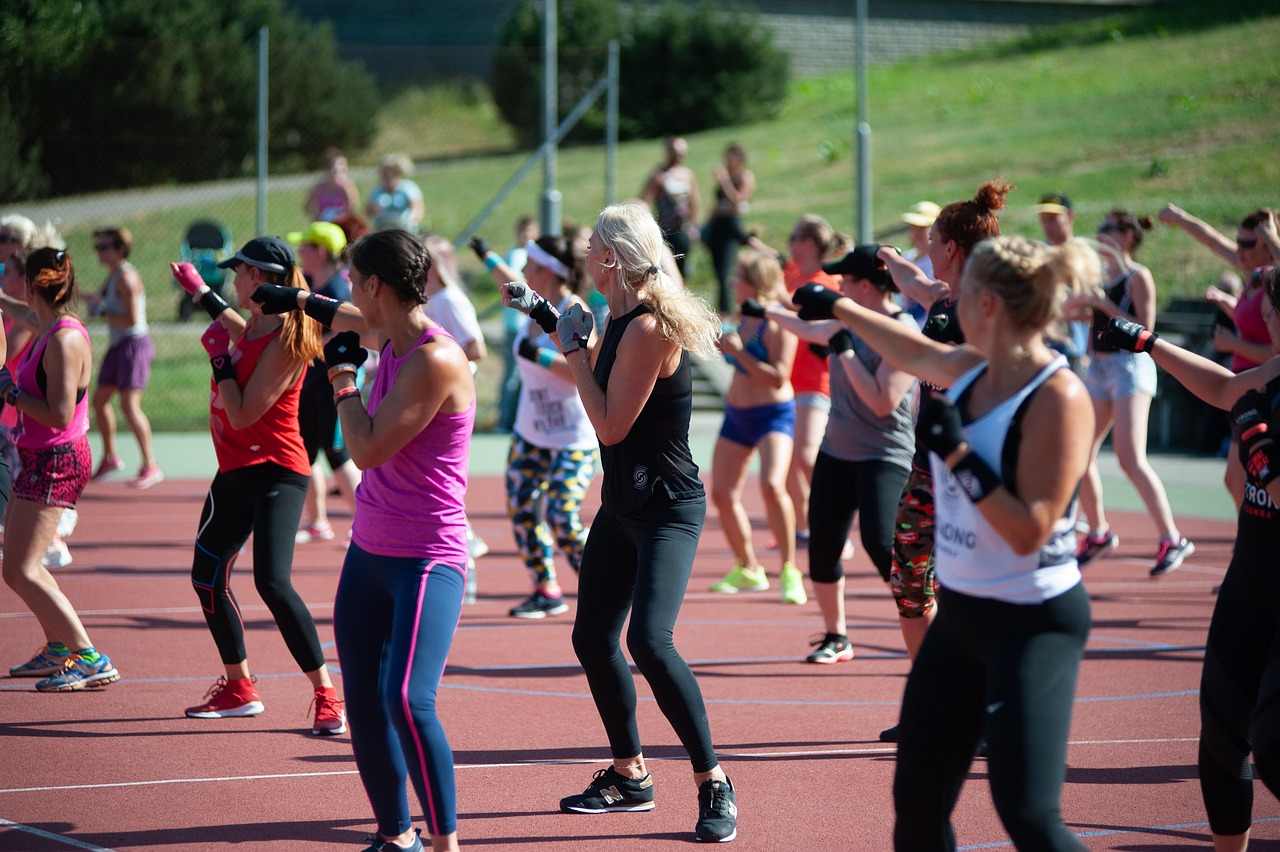
Dance fitness retreats offer a unique way to integrate physical activity with creativity and self-expression. One crucial element that significantly impacts the experience is music. From high-energy tracks to calming melodies, the right music can shape an entire session. Music affects everything from motivation to mood, enhancing participants’ enjoyment. Instructors often curate playlists that resonate with the retreat’s themes, whether focusing on strength, relaxation, or invigorating routines. Participants often feel more engaged and liberated, allowing for more intense workouts. The energy levels in a class can vary based on the music, driving movements and encouraging interaction among attendees. Incorporating diverse musical styles can keep routines fresh and exciting. Genres like pop, hip-hop, salsa, or even classical can energize or tranquilize depending on the intention. Furthermore, music serves as a means of connection, drawing participants together through shared experiences. This sense of unity is vital in a retreat setting, where community builds relationships. Thus, it becomes clear that music is not just background noise; it is instrumental in maximizing the effectiveness and enjoyment of dance fitness sessions.
Types of Music Suitable for Dance Fitness Retreats
Choosing the right music is paramount for maximizing the benefits of dance fitness retreats. Various genres can effectively energize the atmosphere, maintain motivation and enhance emotional connections among participants. Upbeat tempos often encourage high-energy dance workouts, enabling participants to push their limits. Examples of energetic genres include electronic dance music (EDM) and fast-paced pop. Alternatively, slower tempos can guide calming sessions, such as yoga-infused dance routines. Genres like jazz and acoustic can help promote relaxation and mindfulness within a workout. Instructors may select music with motivational lyrics to inspire commitment and create a sense of encouragement. Mixing both energetic and calming musical elements in the schedule can cater to participants’ varied preferences while providing a diverse experience. Integrating local cultural music can also enhance the uniqueness of the retreat, allowing attendees to connect with the destination. Instructors can further deepen engagement by including live music, allowing for spontaneity and creating a lively atmosphere. Using such strategies enables instructors to curate a rich auditory experience that drives physical performance and emotional connections during dance fitness retreats.
When leading a dance fitness retreat, the role of a skilled instructor cannot be overstated in relation to music selection. Instructors often act as curators of the overall experience, thoughtfully blending music with movements. This process involves understanding participants’ preferences, anticipating their feelings, and dynamically adjusting the playlist during sessions. Engaging instructors frequently share stories behind song choices, helping connect participants to music beyond its rhythm. Personalizing playlists can enhance group cohesion by fostering trust and enhancing enjoyment. Furthermore, instructors may collaborate with musicians to create custom tracks tailored specifically for the retreat. This level of personalization adds another layer of uniqueness to the experience, accommodating varying skill levels and fitness backgrounds. As a result, participants leave not only with stronger physiques but also with cherished memories tied to their favorite tunes. The emotional responses triggered by music during sessions can provide participants with a lasting sense of accomplishment. Ultimately, instructors must prioritize their connection with participants and facilitate an engaging atmosphere for everyone involved. Thus, instructor involvement in music selection plays a pivotal role in retreat success, ensuring enjoyable and meaningful experiences.
The Psychological Effects of Music on Participants
Music significantly influences participants’ psychological states during dance fitness retreats, leading to enhanced performance and enjoyment. For many, certain songs evoke fond memories or energizing emotions, which can boost participants’ motivation and engagement levels. Upbeat rhythms often promote positivity, encouraging attendees to challenge themselves and step outside their comfort zones. Music can also induce a sense of flow, facilitating a seamless connection between movement and emotion. Participants often report feeling freer when there’s music they enjoy, allowing them to express themselves more organically through dance. This sense of freedom can lead to overcoming self-doubt while imparting an exhilarating and liberating experience. Additionally, music can help reduce the perception of effort while engaging in physical activities, making tough challenges seem more achievable. Retreat environments benefit immensely from this phenomenon, as the temporary escape from stress encourages bonding among attendees. As participants share euphoric moments based on musical connection, the camaraderie built can have lasting effects beyond the retreat. Therefore, integrating music strategically into retreat programs enhances psychological well-being, promoting a supportive atmosphere that encourages personal growth and development.
The timing and synchronization of music with movements during dance fitness sessions greatly influence the effectiveness of the workout. When music aligns seamlessly with the choreography, it creates an immersive experience that enhances both performance and enjoyment. Participants often find themselves subconsciously moving to the beat, allowing them to achieve a state of flow that benefits their workouts. Instructors tend to develop routines based on beats per minute (BPM), ensuring that the tempo matches the intensity of exercises conducted. Fast-paced songs may accompany high-energy activities, while slower melodies can signal rest or flexibility-based exercises. Instructors must be adept in adjusting routines on the fly, responding to how participants are reacting to the music. This adaptability allows for a personalized approach, promoting inclusion and catering to all fitness levels present. The connection forged between music and choreography can leave lasting impressions on participants, transforming workouts into unforgettable experiences. Ultimately, timing holds significant importance in shaping the outcome of dance fitness retreats. Prioritizing this aspect ensures participants derive maximum benefits, resulting in enjoyable sessions that foster a sense of community throughout the retreat.
Creating a Lasting Impact Through Music
To fully appreciate the role of music in dance fitness retreats, one must consider its lasting impact on participants’ lives. The musical experiences encountered during these sessions often create meaningful memories that individuals carry with them long after the retreat concludes. Participants frequently express how certain songs became anthems of empowerment, reminding them of the progress they’ve made. Additionally, music fosters a sense of belonging, creating bonds between attendees who share similar rhythms and interests. As connections solidify through musical experiences, friendships often extend beyond the retreat environment, encouraging continued engagement in fitness and dance together. Instructors can amplify this impact by encouraging participants to create their playlists inspired by their experiences. This simple gesture empowers attendees to further explore their musical preferences and seek out new genres, tools for maintaining motivation beyond the retreat. Furthermore, participants may develop a deeper appreciation for the benefits of music in personal wellness pursuits, utilizing it to enhance their daily routines. Ultimately, the lasting effects of music highlight its importance in creating transformative dance fitness retreats filled with memories and personal growth.
Furthermore, participants often return home inspired by the music they experienced during their retreat. They tend to seek ways to incorporate their favorite tracks into personal workouts, increasing their commitment to fitness routines. This newfound motivation can lead to remarkable transformations in lifestyle, nutrition, and overall well-being. Dance fitness incorporates music into everyday life and encourages individuals to share this joy with family and friends. Engaging in home workouts accompanied by uplifting music may lead to increased energy and productivity. Social media plays a role in this, as participants share their experiences or favorite tracks, sparking conversations around music and fitness. The ripple effect expands well beyond the retreat, nurturing a culture of wellness and connection. Moreover, these shared musical experiences help participants feel supported while working towards their fitness goals. Music can bring individuals together, fostering relationships in both personal and community fitness events. As participants explore this newfound passion for music within fitness, they inspire others to join them on their journeys, creating a cycle of motivation and camaraderie that continues long after the dance fitness retreat concludes.