
Setting Fitness Goals with Health Monitoring Devices for Chronic Disease
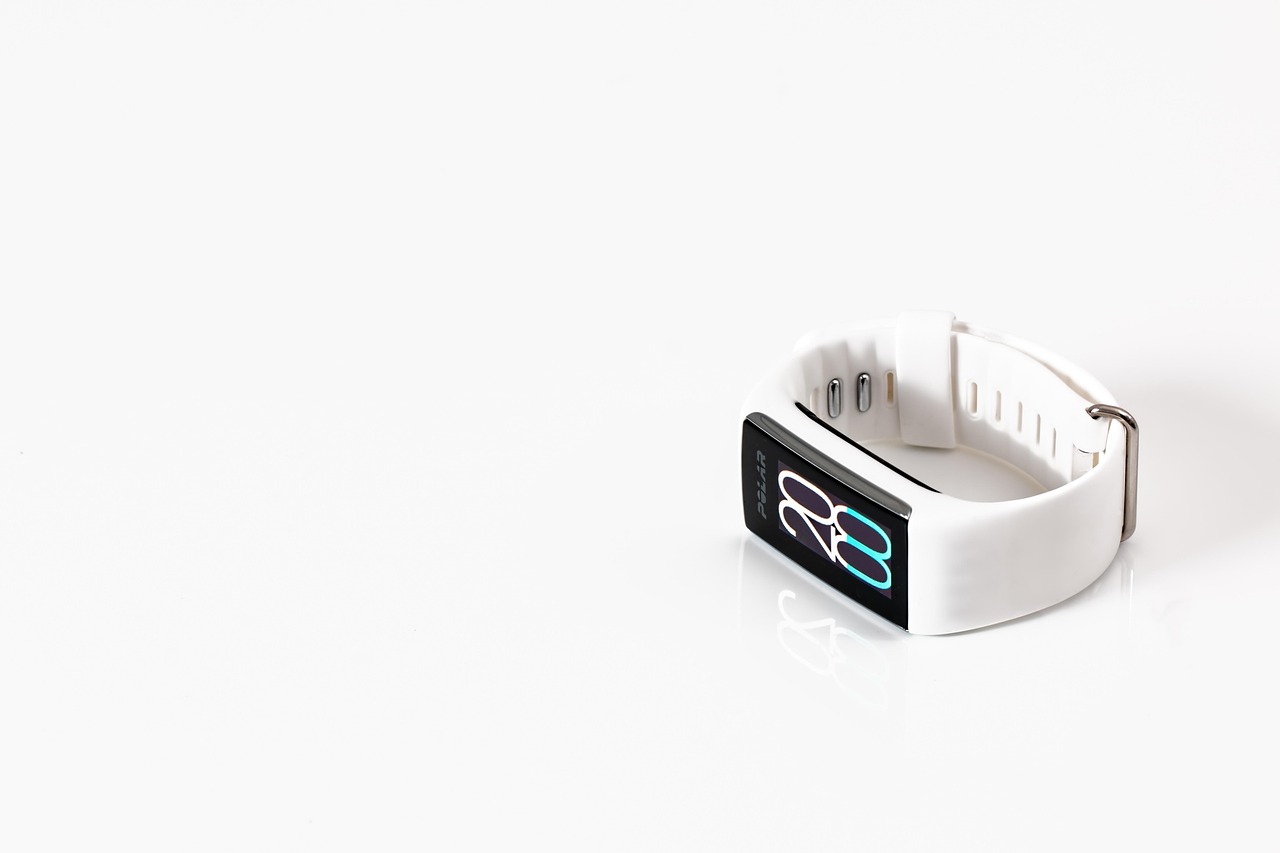
Setting fitness goals is essential for individuals managing chronic diseases, as it helps maintain motivation and focus. Health monitoring devices can play a crucial role in this process by allowing users to track various health metrics closely. Devices such as fitness trackers and smartwatches provide real-time feedback on activity levels, heart rate, and calories burnt. Such data can empower individuals to make informed decisions regarding their fitness routines. Moreover, integrating these devices into daily life encourages consistency. Users can set specific, measurable goals based on their monitored data to align with their health objectives. Objectives may include daily step counts or weekly workout sessions. Over time, individuals can see their progress, improving adherence to established routines. This not only enhances their physical health but can also have positive effects on mental well-being. Therefore, understanding how to effectively use monitoring devices can lead to better health outcomes. It is crucial for those with chronic conditions to consult with healthcare professionals to tailor these goals appropriately, ensuring safety and efficacy in their fitness journey.
Identifying personal fitness goals tailored to chronic diseases can make a significant difference. Regardless of the chronic condition, it’s vital to work on achievable and realistic objectives. Goals should be specific, such as aiming to walk for 30 minutes daily, or generalized, such as increasing activity levels weekly. To assist in effective goal-setting, health monitoring devices offer various tracking features that can simplify this process. For example, users can customize reminders to help motivate them throughout the day or recognize when they reach a milestone. Many devices also analyze data over time, providing insights into trends and patterns that may arise. Such analysis enables users to identify the correct level of intensity for workouts and recovery times. Monitoring device features can include heart rate tracking, sleep tracking, and stress management. Individuals can gain better insight into how their bodies respond to exercise, which plays a critical role in deciding future fitness goals. This strategic implementation of monitoring devices encourages a patient approach to fitness, especially crucial for chronic disease management.
Using Technology for Better Health Management
Health monitoring devices facilitate effective management of chronic conditions through their innovative technologies. By consistently tracking health metrics, users can recognize symptoms or issues much earlier, allowing for timely interventions. For instance, a fitness tracker might alert the user if their heart rate exceeds certain thresholds during physical activities. Serving as a personal health assistant, this technology can prompt users to adjust their activities according to real-time feedback. This immediate adjustment capability can lead to safer exercise practices, particularly for those with heart-related conditions. Moreover, many devices now come with connectivity features, enabling users to sync their data with health applications and share it with healthcare providers. Such collaborations can enhance doctors’ understanding of patients’ habits and health data. In turn, this enables more tailored healthcare advice. Health professionals can use this information to recommend personalized workout regimens that account for the user’s specific health status. Additionally, having granular data can motivate users to stay active, knowing they are working within a safe and monitored framework.
Choosing the right health monitoring device is crucial to maximizing benefits. Not all devices offer the same features, making it essential for users to identify what will work best for their individual needs. Individuals should consider what metrics matter most to them, such as step tracking, heart rate monitoring, or even stress management features. It’s helpful to read reviews and seek recommendations from others who manage similar chronic conditions. Accurately assessing the device’s ease of use and comfort is equally important since it determines how likely someone is to use it consistently. Compatibility with smartphones and health applications can amplify a device’s usability, promoting seamless data integration. Moreover, some wearables come with guided workouts or health insights, enhancing user experience. Understanding and utilizing these features can transform fitness goals into achievable realities. Investing in a quality monitoring device can significantly contribute to improving one’s fitness journey, supporting overall wellness. Alongside a proper understanding of one’s chronic condition, choosing the right tools creates a robust framework for successfully managing health.
Setting Realistic Fitness Milestones
Realistic milestone setting is a critical strategy when utilizing health monitoring devices. Short-term milestones offer achievable targets that keep motivation high. Whether it is walking an additional 500 steps a day or incorporating short intervals of activity, these small victories reinforce positive behavior. Tracking these milestones using health devices reinforces progress and provides an opportunity for reflection. Users can receive notifications and celebrate personal milestones, which helps in maintaining a positive outlook. Also, systematic evaluation helps mitigate frustration if expected results are not achieved immediately. Acknowledging gradual improvements can foster sustained engagement with fitness routines. Monitoring devices can also remind users to recalibrate their goals based on performance changes over time. Being adaptable and flexible with fitness trajectories encourages a healthier mindset. It is advisable to keep progressive overload principles in mind when setting upcoming goals, gradually increasing exercise intensity and duration. This approach prevents any abrupt physical stress on the body, especially important for chronic disease management. Consistent reassessment of goals ensures individuals remain motivated, receiving the necessary push to strive for optimal wellness in their routines.
Utilizing health monitoring devices effectively can significantly enhance accountability in pursuing fitness goals. With built-in notifications and alarms, users are gently nudged throughout the day to remain active, making it easier to reach their targets. Furthermore, many devices encourage sharing results with friends or family, creating a social support network. This communal approach can enhance motivation, as users take pride in maintaining goals alongside loved ones. Another key aspect of accountability is self-monitoring, made effortless with health devices that provide direct access to exercise metrics. Users become more conscious of their daily activity levels, bolstering a proactive approach towards fitness. Additionally, insights gleaned from historical data can reveal patterns of success and areas needing improvement. By regularly reviewing this data, users become emotionally invested in their progress. As they witness tangible improvements over time, they may be more inclined to stick with their fitness journeys. Ultimately, technology facilitates an environment where individuals dealing with chronic diseases can establish and maintain fitness goals that are both gratifying and beneficial, improving their quality of life.
Conclusion: Embracing Technology for Health
Embracing health monitoring devices opens up new avenues for effective chronic disease management. These tools enhance the ability to set and achieve fitness goals suited to individual health challenges. Properly implemented, such devices encourage proactive engagement in one’s wellness journey. They help users stay accountable through consistent monitoring, providing valuable feedback on exercise progress. Just as important as tracking data is understanding it enabling informed decisions regarding health and fitness practices. By focusing on realistic, incremental goals, users are more likely to maintain long-term engagement and success. Integrating technology into fitness routines offers an unprecedented level of personalization and insight into one’s health journey. Moreover, the collaborative aspect with healthcare providers ensures safer and more effective strategies tailored to the user’s needs. Continuous advancements in technology only promise further improvements in fitness solutions, especially for individuals managing chronic conditions. By prioritizing fitness through the prism of technological support, individuals can significantly enhance their overall health, fostering a sense of empowerment that significantly enriches their lives.
In conclusion, fitness monitoring devices encourage engagement, accountability, and tailored strategies that cater to unique health challenges. They permit individuals to seamlessly track their progress while gaining crucial insights into their physical well-being. As more people embrace these devices, they reshape the landscape of personal fitness, especially within the context of chronic disease management. Setting fitness goals using health monitoring devices is revolutionary in fostering healthier lifestyles. Exploring advancements in technology can also lead to improvements in health outcomes. Focusing on fitness can significantly alter the course of chronic disease management, creating sustainable health changes and better quality of life.