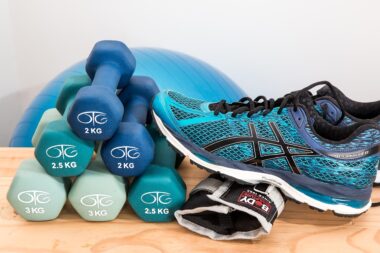

Aerobic Exercise for Enhancing Self-Esteem and Confidence
Aerobic exercise has gained attention for its potential benefits beyond physical health, particularly in the realm of mental well-being. Engaging in regular aerobic activities can positively influence self-esteem and confidence levels. Studies indicate that individuals who participate in aerobic exercises, such as running or cycling, frequently report higher levels of self-acceptance and improved self-image. The release of endorphins during these activities is partially responsible for enhancing mood and creating feelings of euphoria, which play a crucial role in how individuals perceive themselves. Furthermore, overcoming physical challenges during aerobic exercises can provide individuals with a sense of accomplishment. This feeling of achievement can translate into greater confidence in other aspects of life. Setting and reaching personal fitness goals acts as a catalyst for personal growth, fostering a more positive self-view. Moreover, connecting with others in group aerobic classes can facilitate social interaction, leading to improved social skills and greater confidence in interpersonal relationships. This social element is an integral aspect of how physical activity contributes to enhancing overall mental health.
Aerobic Exercises and Their Role
Aerobic exercises are particularly effective at promoting psychological health, including improved self-esteem. Activities such as dancing, swimming, and brisk walking are not only enjoyable but also accessible to a wide audience. The beauty of aerobic exercise lies in its adaptability to different fitness levels and preferences. As people engage in these activities, they often discover newfound abilities, pushing beyond perceived limitations. This process of discovery is vital for personal development and self-confidence. Additionally, the rhythmic nature of aerobic exercise aids in establishing a connection between mind and body. Engaging in movement while focusing on breathing can lead to a meditative state, further enhancing emotional regulation. Mindfulness developed through aerobic workouts can yield lasting benefits, encouraging individuals to approach challenges with a more positive mindset. Therefore, incorporating these exercises into daily routines can significantly transform both mental and physical health. Importantly, participants should choose activities they genuinely enjoy to ensure long-term adherence and enjoyment. As they continue down this path, the rewards become evident, propelling them toward achieving higher levels of mental wellness and self-esteem.
Furthermore, research has indicated that regular aerobic exercise significantly boosts self-efficacy, influencing how individuals view their abilities and challenges in life. Studies show that as one engages more actively in exercising, feelings of competence and control over one’s life significantly increase. This can yield a stronger belief in their capacity to tackle various life challenges, ultimately fostering a greater sense of confidence. When participants witness their physical progress through aerobic workouts, such as increased endurance or weight loss, they often feel an enhanced sense of personal achievement. Achieving fitness milestones serves as tangible proof of their dedication and hard work. Consequently, this reinforces a more favorable self-image, helping them to tackle difficult tasks outside of the gym with increased optimism. This connection between physical fitness and mental toughness is crucial and illustrates how dedicating time to aerobic exercises enriches not only the body but also the mind. Therefore, integrating aerobic workouts into regular routines can serve as a vital tool for emotional growth, aiding individuals in fostering improved mental resilience and self-esteem, which are critical for overall well-being.
The Social Aspects of Aerobic Exercise
Engaging in group aerobic exercises enhances the mental health benefits that come from participating in physical activities. Social interaction is a significant element in improving self-esteem and confidence. When individuals engage in classes or group workouts, they can share their experiences, motivating one another and building friendships. The camaraderie formed in these settings can create a supportive environment where individuals feel accepted and valued. This increases feelings of belonging, which contributes positively to self-esteem. Moreover, attending group classes often involves attending regular sessions with the same individuals, fostering a sense of accountability. This aspect encourages continuity in exercising, increasing longer-term adherence to fitness goals. The connections formed can lead to a strong support network, helping participants celebrate successes and navigate setbacks together. Furthermore, receiving encouragement and guidance from instructors or fellow participants can further nurture confidence, especially in newcomers. Sharing progress and experiences encourages an atmosphere of positivity and growth. In essence, the social dimensions of group aerobic exercises play a vital role in enhancing self-confidence, positioning participants to strive for greater achievements in their fitness journeys.
To maximize the benefits of aerobic exercises for self-esteem enhancement, individuals must create an achievable routine tailored to their preferences. It’s essential to start at a comfortable level and gradually increase intensity as one builds confidence and skill. Individuals should set SMART goals — specific, measurable, achievable, relevant, and time-bound — to maintain motivation throughout their fitness journeys. By staying consistent and tracking their progress, participants can appreciate the journey towards their fitness goals. Adjusting routines over time to introduce variety can boost enthusiasm, helping individuals avoid burnout while maintaining interest. Utilizing technology, like fitness trackers, can also provide valuable feedback, showcasing daily achievements and allowing for adjustments to training plans. All these factors can contribute to a more positive body image and heightened self-esteem. Importantly, individuals must acknowledge and celebrate their accomplishments, no matter how small. Noticing improvements, whether in endurance, weight loss, or skill set, offers reinforcement to keep pushing forward. In doing so, individuals cultivate resilience and a love for fitness that ultimately enhances self-confidence, creating a positive feedback loop that benefits their mental health.
Long-Term Benefits of Regular Aerobic Exercise
One of the most significant long-term benefits of consistent aerobic exercise is the impact on mental resilience and stress management. Engaging in these activities allows individuals to develop coping mechanisms essential for tackling life’s challenges. Over time, the cumulative effect of regular physical activity strengthens an individual’s ability to manage stress effectively, reducing anxiety and fears about failure. This enhanced resilience fosters confidence as individuals learn that they can cope with setbacks, framing them as opportunities for growth rather than negatives. Additionally, regular aerobic exercise bolsters overall emotional well-being and mental clarity. Participants often report more focused and optimistic mindsets when they are active. This clarity enables better decision-making, contributing to more robust self-assurance in various life aspects. Adopting an active lifestyle not only allows individuals to maintain their physical health but also enhances cognitive function. Promoting sharper focus and clearer thinking further contributes to improved self-perception. Importantly, as individuals integrate these exercises into their lifestyles, they sense an ongoing evolution towards a healthier, more vibrant self, reinforcing continuous growth in self-esteem and self-confidence.
Moreover, the physiological benefits of aerobic exercises extend to brain health. Research suggests that regular aerobic activity improves blood circulation to the brain, aiding in the development of new neurons and neural connections. This neural enhancement can positively affect cognitive functions, including memory, attention, and emotional regulation. Enhanced brain health significantly supports the psychological benefits of increased self-esteem and confidence. Participants in aerobic activities frequently report improved mood and decreased depressive symptoms, further underlining the importance of these exercises in promoting mental wellness. The biochemistry of exercise reveals that physical activity can alleviate feelings of depression and anxiety, enabling individuals to feel empowered and motivated. Consequently, this cycle of improvement fosters a more optimistic and assured self-image. Additionally, the awareness of the importance of self-care in maintaining mental health improves personal accountability. As individuals recognize the relationship between physical activity and mental enhancements, they often commit to more positive routines outside of workout sessions. This holistic approach reinforces feelings of accomplishment and strengthens their overall confidence in managing life’s challenges.
Conclusion: Embracing Aerobic Exercise for Mental Well-being
In summary, integrating aerobic exercise into daily routines is transformative for enhancing self-esteem and confidence. Through physical activity, individuals experience positive changes in both mental and emotional health, leading to improved self-image. The sense of achievement gained from setting and accomplishing fitness goals creates a powerful cycle of confidence-building. Additionally, the social interactions within group settings provide crucial support and camaraderie, enabling individuals to feel empowered. Understanding the connection between mind and body through aerobic exercises enhances mental resilience, fostering the ability to cope with stress more effectively. The long-term advantages of these exercises extend beyond physical fitness; they significantly contribute to cognitive and emotional well-being. Individuals are encouraged to explore different types of aerobic activities to discover what resonates best with them. Embracing an active lifestyle nourishes mental wellness, creating a deeper appreciation for oneself and one’s abilities. Thus, incorporating regular aerobic exercise can significantly enrich quality of life while building the confidence needed to navigate challenges. Mental health benefits, including increased self-esteem and emotional balance, can be achieved through the power of movement.