
Group Strength Training Classes: Social Benefits for Older Adults
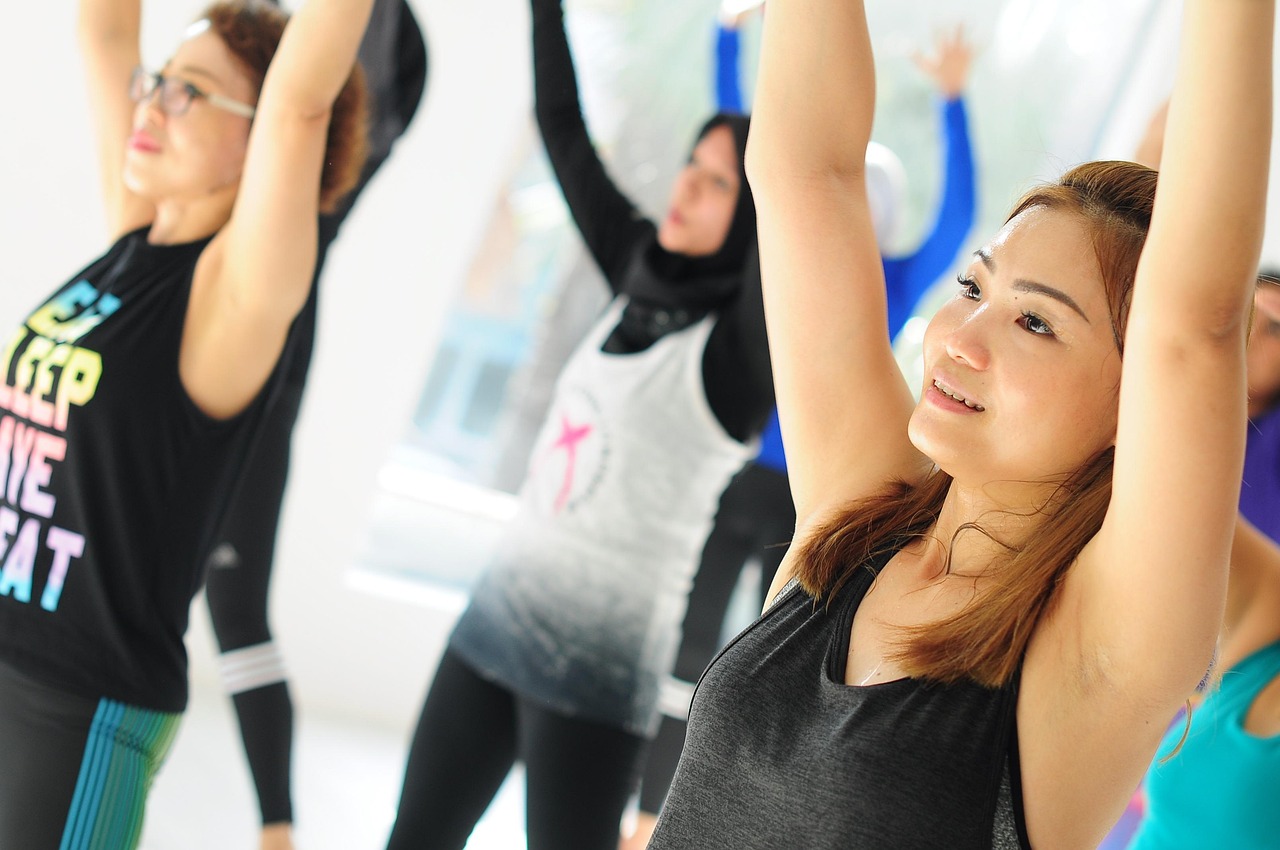
Group strength training classes offer numerous benefits for older adults, particularly in enhancing social interactions. Engaging with peers in a group setting fosters social connections and combats feelings of isolation that can be prevalent among seniors. These classes help seniors build camaraderie, leading to friendships that can extend beyond the gym. Participants often share experiences and motivate one another, creating a lively environment that encourages regular attendance. Additionally, the structure of group exercises typically allows older adults to feel more comfortable as they learn new techniques alongside others. The sense of belonging in these environments can significantly improve their overall satisfaction with life. Moreover, group classes provide opportunities for engagement, thus encouraging participants to stay committed to their health. Through laughter and positive reinforcement, they gain confidence in their abilities and feel empowered to maintain their fitness journey. This social aspect is vital for mental well-being and contributes to a holistic approach to aging gracefully. Ultimately, these classes create a vibrant, supportive community that significantly enhances the quality of life for older adults, fostering important friendships and supportive networks.
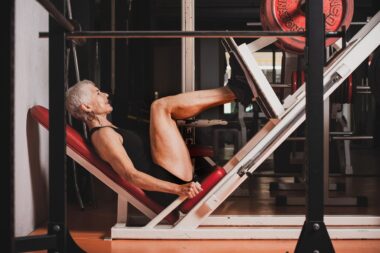
In addition to the social benefits observed in group strength training, participation in these classes can lead to enhanced physical health outcomes. Exercise, particularly strength training, plays a crucial role in improving muscle mass, balance, and bone density among older adults. As individuals age, they naturally lose muscle mass, which can lead to frailty and increased risk of falls and fractures. Engaging in regular strength training can help mitigate these risks. Moreover, group classes typically involve trained instructors who provide appropriate modifications, ensuring exercises are safe and effective for all participants. This professional guidance allows older adults to focus on proper form, minimizing the risk of injury. Furthermore, the motivation that arises from exercising in a group makes it easier for individuals to push their limits comfortably. By regularly participating in strength training activities, older adults can improve their functional abilities, making everyday tasks easier to manage. Improved strength not only leads to better health but also boosts self-esteem and independence. This sense of accomplishment can significantly uplift the spirits of older adults, making strength training a vital component of healthy aging.
Another remarkable aspect of group strength training classes is how they provide a structured routine that many older adults find beneficial. Consistency is key when it comes to physical fitness, especially for seniors who may need a more predictable environment. With scheduled classes, participants can dedicate specific times during their week to focus solely on their health and fitness. This routine can create a commitment to exercise that may otherwise be challenging to maintain without the social encouragement from a group. Therefore, the accountability of attending classes at specific times can lead to improved adherence to exercise regimens. Additionally, having a set schedule allows older adults to plan their week around their fitness goals, enhancing time management skills. Moreover, the structure and predictability in these classes reduce anxiety associated with uncertain fitness environments. As individuals age, maintaining a sense of stability in routines can also promote mental wellness. Feeling prepared and knowing what to expect during the exercises can reduce apprehensive feelings towards physical activity. This predictability can result in an overall positive perception of strength training, ultimately fostering a healthy lifestyle and longevity.
The Impact of Social Interaction
Beyond the physical and structural aspects of these classes, social interactions as a profound influence on mental health should not be underestimated. Group strength training allows older adults to engage in meaningful conversations and create bonds with others who share similar goals. The friendships formed within these classes can be crucial, especially when many older adults may live alone or feel disconnected from their communities. Engaging socially while exercising can produce a feeling of happiness that enhances overall well-being. Participating in group activities tends to release endorphins, further improving mood and mental health. Additionally, social bonds often provide emotional support, creating a network of friends to lean on during challenging times. This emotional connection may lead to higher levels of self-confidence, reducing feelings of loneliness and depression. Consequently, older men and women who prioritize their social interactions through group classes may enjoy an improved quality of life and better mental health outcomes. Strength training combined with a solid support network allows older adults to experience joy and fulfillment through fitness, thereby creating a more enriching experience that promotes longevity.
Moreover, group strength training classes can serve as an excellent platform for learning about overall health and wellness. Many instructors incorporate educational components into their classes by providing tips on nutrition, recovery, and injury prevention. This education equips older adults with vital knowledge regarding their health, empowering them to make informed decisions outside the gym. Learning about the importance of diet, hydration, and rest further contributes to the improved effectiveness of their training efforts. Additionally, such knowledge acts as a preventive measure against common age-related issues. Older adults are likely to feel more engaged and committed to their health journeys when they understand the connections between their physical activities and wellness outcomes. The collaborative nature of group classes allows participants to share their insights, fostering a rich environment of shared learning. This collective wisdom among older adults creates a culture of health, productivity, and encouragement. By blending social interactions with educational elements, group strength training classes provide a comprehensive approach that supports physical, mental, and emotional well-being. Through increased health literacy, seniors can enhance their lives significantly, leading to healthier aging.
Redefining Aging Through Fitness
As older adults participate in group strength training classes, they begin to redefine what aging means to them. Rather than viewing aging as a decline in physical abilities, many seniors start to appreciate it as an opportunity for growth and new experiences. This shift in mindset is crucial for enhancing overall mental health and promoting resilience. Regular participation in these classes often leads to broader lifestyle changes beyond physical fitness. Individuals may feel inspired to adopt healthier eating habits, engage in more outdoor activities, and prioritize self-care routines. The collective energy and motivation generated in these group settings can spark a profound transformation in participants’ lives. This holistic approach encourages older adults to pursue lifelong health and fitness rather than surrendering to age-related challenges. Celebrating small victories such as increased strength or improved balance within the group fosters a positive atmosphere. This uplifting environment reinforces the idea that aging can be both active and fulfilling. By embracing fitness in community settings, seniors can redefine aging and approach their golden years with enthusiasm and vitality, ultimately leading to enriched living.
Lastly, group strength training classes provide older adults an opportunity to share their stories and wisdom with one another. As individuals from various backgrounds come together, they bring with them a wealth of personal experiences that can inspire and motivate others. Sharing stories of overcoming challenges, facing adversities, or achieving fitness milestones enriches the group dynamic. This exchange of narratives fosters an environment of vulnerability and acceptance, creating deep connections that are essential for emotional support. Older adults often thrive on these interactions, as it helps them feel valued and respected. In addition, storytelling can help seniors find meaning and purpose in their lives, prompting reflections about achievements and aspirations. This narrative component blends beautifully with the physical routines, highlighting how fitness is not just about the body. Celebrating each other’s journeys creates a strong sense of camaraderie among participants. Group strength training classes thus become more than just physical exercise; they evolve into social hubs where older adults uplift one another through shared experiences, joy, and encouragement. In doing so, such classes play a critical role in fostering a sense of community and belonging among seniors.
Conclusion
In conclusion, group strength training classes are immensely beneficial for older adults, promoting social interaction and improving not only physical health but mental wellness as well. These classes excel at combating isolation, as they create communities built around mutual respect and encouragement. The intertwining of social benefits with fitness underscores the importance of participating in group exercises. As older adults strengthen their bodies, they also strengthen the bonds with their peers, leading to enriched lives filled with purpose and camaraderie. More importantly, those engaged in these classes often report enhanced mental health outcomes, making such group activities imperative for holistic aging. As they redefine what it means to grow older, seniors empower themselves through shared experiences and knowledge. This dynamic approach to fitness offers a joyful, fulfilling lifestyle while effectively counteracting the challenges often associated with aging. Group strength training thus stands as a beacon of hope, showcasing the possibility of vibrant aging characterized by strength, strength, and companionship. It is important for older adults to pursue these engaging classes for enduring health and enduring friendships, creating paths to happier, healthier lives.