
Motor Control Adaptations to Resistance Training
Resistance training is not merely about lifting weights; it encapsulates complex interactions between the neuromuscular and skeletal systems. The adaptations stemming from regular resistance training extend beyond muscle hypertrophy, impacting motor control and learning processes significantly. Initial adaptations primarily occur through neural mechanisms. These include enhanced motor unit recruitment, synchronization, and rate coding, which collectively improve strength performance. Over time, these adaptations lead to refined motor patterns. This refinement results from practice, which aids the learning of efficient and effective movement strategies. Resistance training also influences proprioceptive feedback, enhancing the body’s awareness of its position in space. Improved proprioceptive function facilitates balance and coordination during dynamic activities, crucial for athletes and everyday individuals.
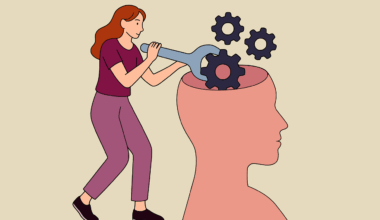
Furthermore, resistance training promotes changes in the brain associated with motor learning. Neuroplasticity, the brain’s ability to reorganize itself through growth and re-routing of neural pathways, is significantly stimulated during resistance exercises. This enhancement in neuroplasticity cultivates better motor skills and promotes learning through efficient practice. As adaptations to resistance training progress, individuals may notice not only physical strength improvements but also cognitive benefits such as increased focus and improved coordination. These adaptations are particularly beneficial for athletes, as an enhanced motor control system can lead to improved technique and performance in their specific sports. Integrating resistance training into athletic training regimens helps to develop these pivotal skills efficiently.
Motor Learning Process in Resistance Training
Understanding the motor learning process is vital in harnessing the full potential of resistance training. Motor learning can be broken down into several stages: the cognitive, associative, and autonomous stages. During the cognitive stage, learners acquire the new skill and require significant cognitive resources to perform the task. In contrast, the associative stage signifies proficiency, as movements become more fluid and less error-prone. Finally, the autonomous stage denotes automatic execution of the skill with minimal conscious effort. Resistance training can effectively enhance the transition through these stages, making exercises more effective as one progresses.
The impact of resistance training on motor control and learning can also be observed through the implementation of varied training modalities. Specificity is crucial in training; thus, understanding the motor tasks one intends to improve is essential. For instance, integrating functional movements within resistance training can help develop better motor control. The inclusion of exercises that mimic sports-related movements aids in translating strength gains into athletic performance. Task specificity encourages the development and retention of motor skills relevant to specific sports or activities, ultimately enhancing overall performance through refined motor control.
Impact of Resistance Training on Neuromuscular Adaptations
The effects of resistance training extend to significant neuromuscular adaptations that facilitate improved motor control. Enhanced neural recruitment and increased firing rates of motor neurons contribute to strengthened muscle contractions. Moreover, resistance training promotes changes at the synaptic level, increasing neurotransmitter activity, which aids in the transmission of signals between neurons. These adaptations bolster overall muscular efficiency, allowing users to apply strength more effectively and sustainably. Importantly, as neuromuscular connections improve due to resistance training, individuals may experience lower fatigue during complex movements, further solidifying the benefits.
Another crucial factor in motor control adaptations relates to the role of feedback mechanisms. Resistance training encourages the use of both intrinsic and extrinsic feedback, enabling individuals to adjust their movements based on sensory information or external cues. For instance, utilizing mirrors, video feedback, or coaching during training can enhance performance by providing vital information about one’s form and technique. This feedback, coupled with persistent practice, enhances the brain’s ability to process and respond to motor tasks, creating a stronger link between the physical practice and cognitive understanding of movement.
Conclusion and Future Directions
In conclusion, resistance training serves a multifaceted role in enhancing motor control and facilitating learning. The cognitive improvements and neuromuscular adaptations observed during this training modality can significantly benefit athletes and fitness enthusiasts. Future studies may focus on exploring the optimal parameters for resistance training to maximize learning and motor control outcomes. Investigating how different training techniques impact motor learning across varied populations can also present valuable insights. Additionally, examining the psychological aspects of motor learning alongside physical adaptations can help create more comprehensive training programs fostering holistic development in performance.
Ultimately, a well-structured resistance training program should consider individual goals, capabilities, and learning styles. Personalized approaches that incorporate various exercises focusing on neuromuscular integration, cognitive demands, and motor skill refinement can significantly enhance overall performance. As research in exercise science continues to evolve, understanding how resistance training affects motor control and learning will remain crucial. By leveraging these insights, practitioners, coaches, and trainers can better support individuals in their journey towards improved strength and motor skill proficiency.