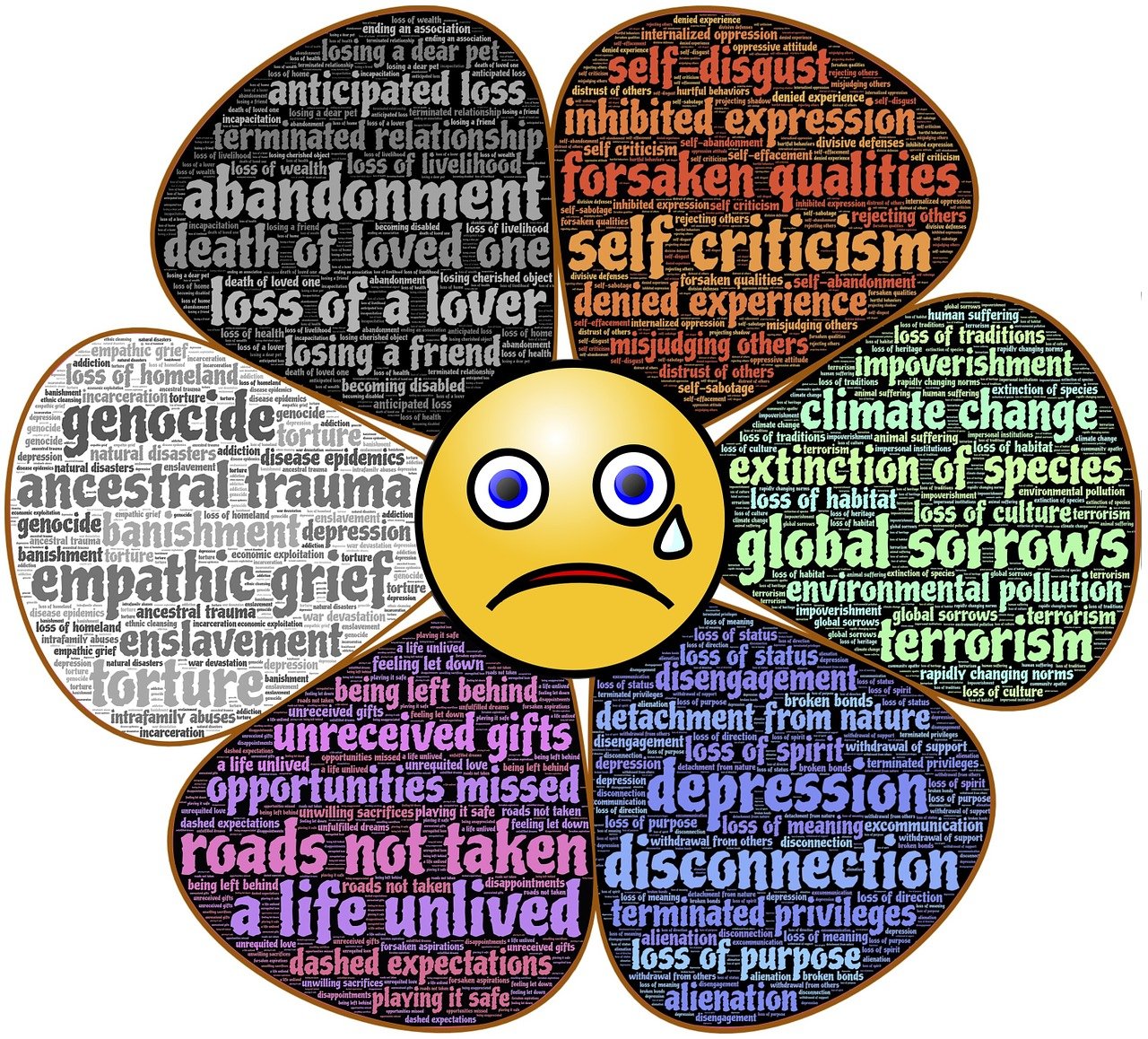

How to Support a Friend Who is Grieving
Supporting a friend who is grieving can be incredibly challenging. It is essential to remember that everyone processes grief in their unique way; thus, there isn’t a one-size-fits-all solution. Firstly, it’s crucial to acknowledge their feelings. Simply being present and offering a listening ear can make a significant impact. Avoid saying phrases like “I know how you feel”; instead, validate their emotions by saying things like “I’m here for you” or “It’s okay to feel this way.” Sharing memories of the person they lost can be a healing experience. Moreover, encourage your friend to express their feelings. Grieving can be a lonely journey, and sometimes, your friend may feel isolated in their sorrow. Consider suggesting creative outlets, like writing or art, which can be therapeutic. Additionally, engaging in regular check-ins can help. Send a text, make a phone call, or plan a low-key meet-up. Your continued presence can provide comfort. Conclude by promoting self-care and urging them to seek professional help if their grief becomes overwhelming.
After losing someone dear, grieving individuals often experience immense emotional turmoil. They may feel sadness, anger, or even confusion about their feelings. It’s important to understand that grieving is not a linear process. Encourage your friend to take their time and not rush through their feelings. Offer practical help, such as bringing meals or assisting with household chores. These small gestures can relieve stress and allow them to focus on their emotions. Additionally, suggest attending a support group specific to their loss, as sharing experiences with others can be cathartic. Gently guide them towards resources or literature about dealing with grief, as education can sometimes alleviate some burdens. Let them know it’s perfectly acceptable to seek therapy. A mental health professional can provide guidance and coping strategies that would be beneficial. Check-in regularly and acknowledge important dates, such as anniversaries or birthdays, which could trigger feelings of loss. Sending a simple text or planning a day together can significantly uplift their spirits. Remember, patience is key. Your readiness to stand beside them in this difficult journey shows you care, and that can mean everything to someone who is grieving.
Creating a Safe Space for Expression
When it comes to handling grief, creating a safe space for your friend to express themselves is vital. Encourage open dialogue where they feel comfortable sharing their thoughts and feelings without fear of judgment. Active listening is essential; ensure you fully engage with them during conversations. Demonstrate your attentiveness by maintaining eye contact and responding appropriately. Avoid interrupting; empathy can go a long way when someone is processing their grief. Understand that silence can also be a comforting presence. Sometimes, just sitting together without the need for conversation can be incredibly supportive. Encourage them to reminisce about their loved one, sharing both joyful and painful memories. Suggest journaling as an effective method to release pent-up emotions. Writing their feelings down allows for introspection, helping to manage complex emotions. Additionally, be mindful of the terms or phrases you use. Avoid clichés, which can feel dismissive. Instead, focus on compassionate and sincere language. This can foster a greater sense of trust and understanding. Finally, remind them that seeking professional help is also a valid and significant option during these challenging moments.
Supporting a grieving friend also means being conscious of their physical needs. Grief can be both emotionally and physically exhausting. Encourage your friend to maintain healthy habits, such as eating well and getting enough sleep. Consider organizing some outdoor activities, like walking or light exercising together. Physical movement can help alleviate some grief-related stress and promote overall well-being. Suggest engaging in mindfulness practices like yoga or meditation, which can help center their emotions. Introduce resources like meditation apps or local classes. Explore healthy distraction techniques as well, such as watching a movie or reading, which may offer temporary reprieve from overwhelming feelings. In moments of despair, knowing that someone cares enough to invite them out can provide essential comfort. It’s also crucial to help your friend set boundaries. Ensure they know it is okay to say no to social invitations if they feel unprepared. Respecting their space can be as beneficial as being present. Ultimately, by caring for both their emotional and physical needs, you can play a crucial role in their healing process and help them feel less alone.
Providing Understanding and Encouragement
Throughout the grieving process, the role of understanding and encouragement cannot be overstated. Be patient as your friend navigates their feelings and try to remain within their emotional rhythm. It’s worth noticing that anniversaries or certain events can re-awaken feelings of grief. Reassure your friend that it’s okay to experience sadness during these times. Encourage them to create new rituals in memory of their loved one. This could be lighting a candle, making a donation, or even planting a tree. Such acts can enhance feelings of connection and celebrate the life of the deceased. Additionally, keep the memory of their loved one alive through storytelling; sharing stories can offer a sense of personal connection. You might also suggest creating memory boxes, filled with meaningful items. These items will serve as tangible memories for your friend. Support them in discussing their fears or feelings of guilt, as this deepens understanding and compassion. Offering light-hearted moments through humor can also be healing. Remind them that happiness can coexist alongside grief and that it’s perfectly okay to laugh while remembering their loved one.
As your friend walks this path of grief, it’s vital to remain steadfast. Suffering from anticipatory grief is common when the loss seems imminent or during highly emotional times. Remind your friend to acknowledge these feelings. Be sure to follow their needs; some days, they may prefer solitude, while other days, companionship will be needed. Stay flexible in how you provide support because their preferences may shift frequently. Planning consistent but flexible check-ins can make your presence felt without overwhelming them. Discuss the idea of taking grief breaks. Encourage them to break down overwhelming feelings into smaller, manageable pieces. Sometimes, just concentrating on one moment can make things feel less heavy. Highlight the importance of celebrating milestones, no matter how small, whether it’s a significant day or completing personal goals. Staying engaged with their journey, expressing your admiration for their strength, or celebrating progress reinforces their resilience. In difficult times, gently reinforcing hope can be transformative. By walking alongside your friend, being present, and respecting their individual process, you can make a profound difference in their journey of healing and coping with loss.
Remembering Self-Care
Amid supporting a grieving friend, never forget the importance of self-care for yourself, too. Dedicating time to your own mental health ensures that you remain a source of support rather than becoming overwhelmed. Engage in activities that bring you joy and serenity, whether it’s pursuing hobbies or spending time with loved ones. Additionally, consider setting firm boundaries on your emotional availability. It is perfectly acceptable to step back when feeling drained, and it’s crucial to recharge. You won’t be effective as a supporter if you’re feeling exhausted. Opening up about your feelings and experiences might strengthen your bond. Finding a mutual support network with others who understand your friend’s journey can also be helpful. Sharing responsibility allows for emotional support distribution among friends rather than weighing solely on one person. Encourage your circles to unite and extend collective support. Seek online resources or local support groups specializing in dealing with grief for shared learning and understanding. With self-care, you’re better equipped to provide that support and can help foster hope, compassion, and resilience both for yourself and your grieving friend.
In conclusion, walking alongside a friend who is grieving requires commitment and compassion. Providing support during this challenging time can foster healing and connection. Each grieving process is different, which means your approach should be intuitive. Listening, validating feelings, encouraging expression, and being there are your best tools. Be aware of physical needs as well, and provide opportunities for healthy engagements. Suggest activities, outlets, and maintain an open line of communication. Creating private spaces for memory and sharing stories can aid this journey. It’s also important to remain flexible and accommodating as the grieving process can fluctuate. Encourage your friend to venture into meaningful celebrations of their lost loved one. As you build a support network, remember to also care for yourself so you can remain effective in your role. Seek help when necessary and explore resources available to both of you. Finally, celebrate life amid grief. Your presence signifies love and support, which can be profoundly comforting. Ultimately, your compassion can illuminate the healing journey for a friend, making this challenging process a little less lonely, while honoring their unique experience of grief.