
Scaling Combined HIIT and Strength Workouts for Beginners
Combining HIIT (High-Intensity Interval Training) with strength training is an excellent way for beginners to enhance their fitness levels. This method effectively promotes cardiovascular health while building muscle strength simultaneously. For those new to exercise, it may appear challenging to combine these two powerful disciplines. However, with proper guidance, anyone can achieve remarkable results. Start by understanding the key elements of both HIIT and strength training to get the most out of your workouts. The fusion of HIIT and strength training improves your stamina, builds lean muscles, and burns significant calories. Additionally, this combination can be structured in various formats that cater to different fitness levels. Begin with simple exercises, gradually increasing intensity as confidence and capability grow. Use basic strength training moves such as squats, lunges, or push-ups. Incorporate HIIT intervals with short bursts of activity followed by brief rest periods. This methodology ensures that you remain engaged and motivated, as workouts can be tailored to your growing abilities. By embracing this multidimensional approach, beginners can develop a sustainable fitness routine that yields rewarding outcomes.
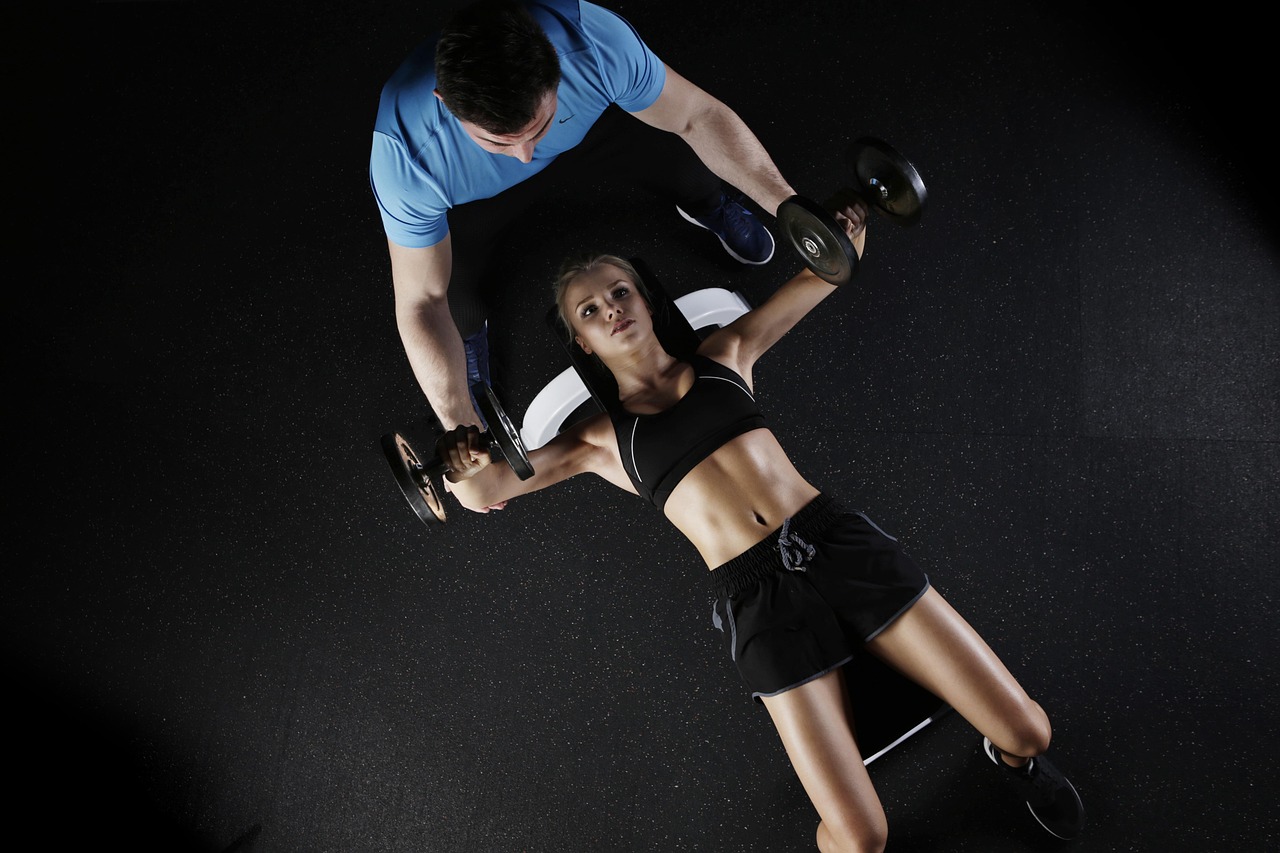
One of the primary advantages of combining HIIT and strength training is the time efficiency it offers. Many beginners find it hard to commit to lengthy workout sessions. With this hybrid exercise, effective training can be completed in a reduced time frame without sacrificing the quality of the workout. HIIT sessions typically last between 20-30 minutes, making them accessible for busy schedules. Moreover, these workouts can be conveniently performed at home or the gym. Begin by choosing a mix of strength exercises and doing them in timed intervals. For example, perform strength exercises like deadlifts and bench presses, followed by 30 seconds of intense cardio like burpees or jumping jacks. This structure keeps your heart rate elevated, promoting fat loss while building strength. Remember to prioritize proper form during strength movements to prevent injury and ensure maximum effectiveness. Consider seeking guidance from a personal trainer to help develop a personalized program right for you. Embracing this format allows you to experience the both worlds of training within the same session while effectively enhancing overall fitness.
Progressive overload is crucial when scaling your HIIT and strength workout routine. For beginners looking to improve their strength and endurance, gradually increasing the difficulty of exercises is essential. This approach ensures that your body continuously adapts to the challenges presented over time, fostering growth and improvements. Utilize various methods such as increasing weights or resistance, reducing rest intervals, or adding more repetitions to each set. Track your progress in a workout journal or app to monitor your performance and achievements. This not only holds you accountable but also allows you to celebrate small milestones as you advance. As you become more comfortable with the combination of HIIT and strength training, consider incorporating new exercises to keep your routine fresh and exciting. Additionally, listening to your body signals is vital to avoid overtraining. Ensure you maintain a healthy balance between challenging yourself and allowing adequate rest for recovery. Developing a solid foundation with progressive overload can lead to a sustainable fitness journey that continually challenges you while yielding lasting results.
Choosing the Right Exercises
Selecting appropriate exercises is crucial for maximizing the benefits of your combined HIIT and strength workouts. For beginners, focus on compound exercises targeting multiple muscle groups simultaneously. These types of movements are beneficial for building overall strength while burning calories effectively. Excellent choices include squats, lunges, rows, and push-ups. Pair these with HIIT exercises that elevate your heart rate and complement your strength routine, such as mountain climbers or high knees. Begin each session with a comprehensive warm-up to prepare your muscles and minimize injury risks. Include dynamic stretches and light cardio to prime your body for higher intensity levels. As you build confidence, experiment with exercise variations and progress to more complex movements. Incorporate exercises that challenge your stability and coordination, such as kettlebell swings or medicine ball slams. This will keep you engaged and further enhance your overall functional fitness. Lastly, always ensure that your workout remains balanced by targeting different muscle groups each session. This strategic approach provides effective training while reducing the risk of muscular imbalances.
Proper Nutrition is a vital aspect to support the synergy between HIIT and strength training. Adequate nutrition can enhance performance and aid recovery, leading to better results in your combined workouts. Emphasize a well-rounded diet rich in whole foods that include lean proteins, complex carbohydrates, and healthy fats. Providing the body with the nutrients necessary for energy and repair is essential for thriving in a challenging workout regimen. Aim for a pre-workout meal containing protein and carbohydrates about 30-60 minutes before exercising. This will fuel your body to perform optimally during both HIIT and strength segments. Post-workout, prioritize recovery nutrition by consuming a mixture of protein and carbohydrates within 30 minutes to adequately replenish glycogen stores and accelerate muscle repair. Hydration is equally important; drinking plenty of water before, during, and after workouts ensures your body functions efficiently. Particularly during high-intensity efforts, staying hydrated helps maintain performance and avoid fatigue. Nutritional strategies play a crucial role alongside training to foster quicker improvements and better overall health.
Tracking Progress and Setting Goals
Establishing clear fitness goals is an essential component of scaling combined HIIT and strength workouts for beginners. Setting specific, measurable, attainable, relevant, and time-bound (SMART) goals will help guide your training and motivation. Begin by determining what you hope to achieve, whether it involves increasing strength, losing weight, or improving overall fitness. Break these larger aspirations into smaller targets that can be tackled gradually. Incorporate assessments every few weeks to evaluate your progress, considering various factors such as endurance levels, strength improvements, and overall workout performance. This evaluation will reinforce the effectiveness of your HIIT and strength training combination as you witness tangible results. Utilize fitness tracking apps or wearables to help monitor your workouts and help you stay accountable. Additionally, consider joining fitness communities, either online or in-person, to seek encouragement and support from others sharing similar goals. These platforms allow beginners to learn from experienced trainers and peers while fostering a collaborative environment that motivates continued growth and momentum in their fitness journey.
Lastly, it is essential to prioritize recovery and rest in your combined HIIT and strength training regimen. Many beginners underestimate recovery’s significance, believing that constant intensity yields better results. However, adequate rest periods allow the body to heal, rejuvenate, and adapt after challenging workouts. A well-designed training program should include active recovery days and scheduled rest to prevent burnout and injuries. Identify signs of fatigue or overtraining, such as decreased performance, fatigue, or lack of motivation. Listen to your body and adjust your training as necessary, ensuring you maintain a proper balance between intense workouts and restorative practices. Techniques such as foam rolling, stretching, and yoga can actively aid recovery and improve flexibility. Furthermore, prioritize a healthy sleep routine to bolster recovery and maintain energy levels throughout the day. With a balanced approach to training, nutrition, and recovery, beginners will optimize their combined HIIT and strength workouts. By embracing these principles, individuals can foster long-term success, improved fitness levels, and overall well-being.