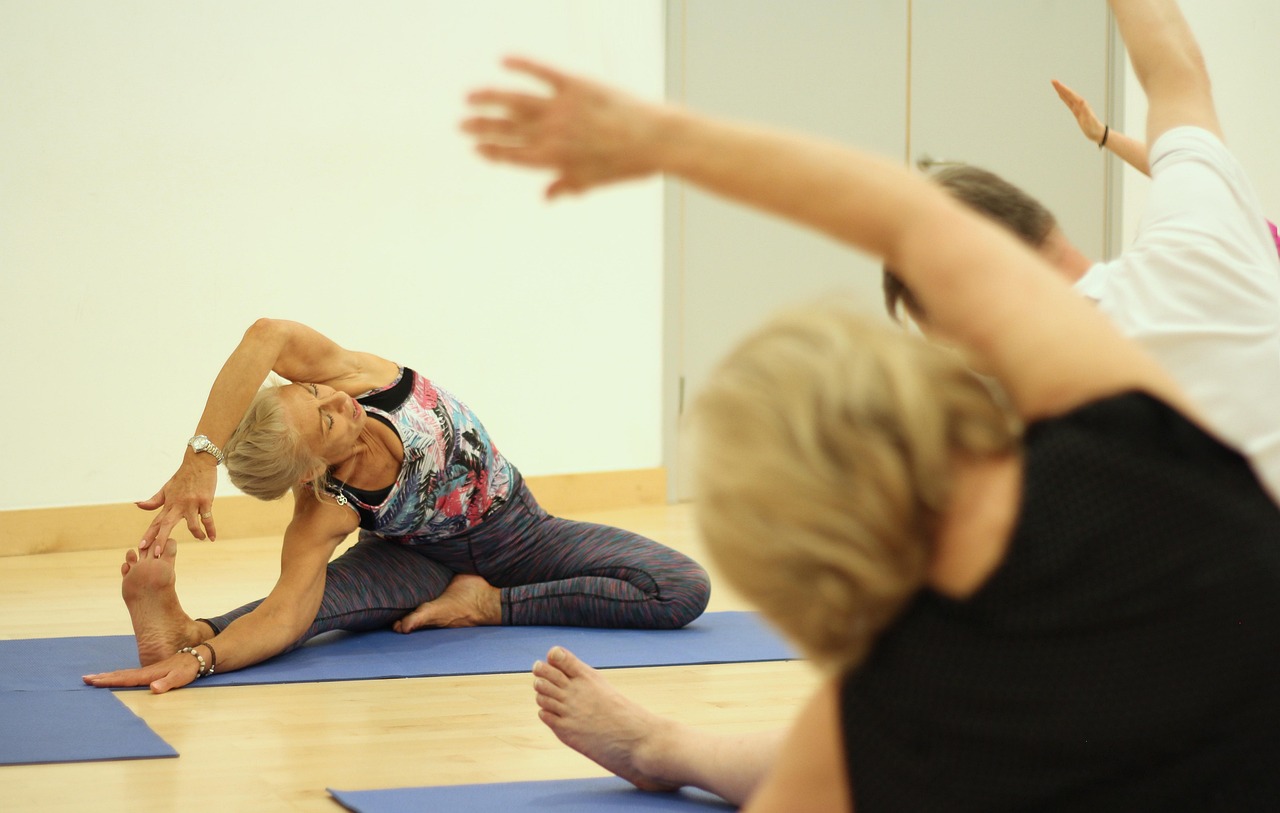

Yoga Poses That Promote Better Posture
Maintaining good posture is essential for overall health and well-being. Yoga can help enhance your posture by strengthening muscles and increasing flexibility. One of the most effective poses for this purpose is the Mountain Pose (Tadasana). In this pose, you stand tall while grounding your feet into the floor, aligning your head, neck, and spine. This pose establishes a strong foundation and encourages body awareness. Practicing Mountain Pose regularly creates a lasting impact on your posture, leading to better alignment in daily activities. Another beneficial pose is the Cat-Cow Stretch (Marjaryasana-Bitilasana). This gentle flow between the two positions opens up the chest and stretches the spine. Incorporating these poses into your routine fosters core stability and flexibility. If you’re curious about other postures to explore, consider Child’s Pose (Balasana) for relaxation and a gentle stretch or Bridge Pose (Setu Bandhasana) for building back strength. For a full-body stretch, try Downward Facing Dog (Adho Mukha Svanasana) as each pose delivers specific posture benefits. Thus, integrating relevant yoga poses can dramatically influence your posture and overall health.
Another crucial aspect of improving posture through yoga is understanding the importance of breath. Breath control is an integral part of practicing yoga. Incorporating deep breathing techniques into your yoga routine enhances awareness and relaxation. Focus on inhaling deeply through your nose, allowing your abdomen to expand fully, and exhaling through your mouth. A specific technique you can apply while practicing is the Ujjayi breath, which involves a slight constriction at the back of the throat. Practicing your poses with this breathing technique not only provides support for alignment but also encourages mindfulness. Pay attention to how your body reacts as you breathe deeply while holding each pose. This can help maintain focus and ease tension. Consider poses such as the Warrior II (Virabhadrasana II) which promotes strength while enhancing focus on breath. The added mental awareness helps align your posture correctly. Additionally, regularly practicing yoga can improve balance as well, directly impacting posture performance. Combining mindfulness with physical practice fosters a comprehensive strategy toward better posture. Understanding how breath works with movement ensures more efficiency during your practice, ultimately making it easier to maintain proper posture.
Pilates and Its Benefits for Posture
While yoga is renowned for its posture-enhancing benefits, integrating Pilates into your fitness regime can also work wonders. Pilates emphasizes core strength, alignment, and stability, all of which contribute significantly to improved posture. Concentrating on the core muscles enables greater control and support for your spine. One engaging exercise is the Pilates Hundred, where you engage your abdominals while pumping arms up and down. This process deeply engages core stability without compromising spinal alignment. Another effective exercise to consider is the roll-up, which strengthens the back while improving flexibility. Engaging the deep muscles of the abdominal region diminishes lower back strain from poor posture habits. Furthermore, coordinating breath with movement, just as in yoga, allows for a more mindful engagement. Utilizing Pilates can create a balanced approach between strength training and flexibility, optimizing posture correction. Additionally, focusing on proper alignment throughout each exercise reinforces body awareness and the need for optimal posture throughout daily life. Thus, incorporating Pilates can complement your yoga practice in forming a holistic journey toward achieving better posture and overall well-being.
Beyond just yoga and Pilates, regular physical activity overall contributes to better posture. Engaging in activities such as walking, swimming, or cycling helps build core strength and flexibility, crucial for maintaining good posture. Incorporating daily exercise raises awareness of your body and its alignment while simultaneously improving posture. Moreover, dedicated stretching routines can also prevent tightness in muscles that contribute to poor posture. Consider yoga stretches as an alternative, enhancing flexibility and relieving muscular tension. Every little effort counts in posture improvement and awareness of body mechanics throughout daily life. Moreover, investing in ergonomic furniture can support spinal alignment during long periods of sitting. When working at a desk, ensure your computer monitor is eye-level, and your chair provides lumbar support. Making conscious choices regarding your workspace ultimately fortifies healthy posture habits. Prioritize short breaks throughout the day to stretch, thus counteracting prolonged periods of sitting. By combining regular physical activity with good ergonomic practices, you pave your path toward achieving and maintaining healthy posture for life. Continuously incorporating these elements leads to a more aligned and supportive posture, positively influencing your overall health.
Mindfulness and Its Role in Posture Improvement
Practicing mindfulness is essential in creating awareness surrounding posture. Being mindful involves being aware of the body and how it feels during different activities. Develop a habit of consciously checking your posture throughout the day. Pay attention to whether you are slouching or aligning your spine correctly. Moreover, incorporating mindfulness techniques helps in enhancing your yoga practice. This self-awareness translates to improved form and technique during poses. When practicing mindfulness, develop a routine that focuses on body alignment and tension release through various poses. Progressive muscle relaxation is a great technique that can help reduce muscle tightness affecting posture. To begin, tense your muscles progressively, and slowly release each tension to identify areas holding stress. Combine this with specific yoga poses to let go of tightness while enhancing flexibility. If you’re feeling particularly tense, set aside time for restorative poses, which focus on releasing tension. By establishing a mindfulness practice, you cultivate a deeper connection with your body which directly influences your overall posture awareness. Ultimately, consistent mindfulness practices open opportunities for enhanced alignment and self-correction.
Furthermore, understanding the role of technology in modern life is crucial for maintaining posture. With the increased use of computers and mobile devices, posture-related issues have become prevalent. Taking breaks from screens is vital in combating these challenges. Implement the 20-20-20 rule, where every 20 minutes, you look at something 20 feet away for 20 seconds, giving your eyes and posture a break. Ergonomic adjustments to your workspace, such as appropriate chair height, provide proper support for your posture. Additionally, it is essential to be mindful of your phone usage. Try to hold devices at eye level instead of leaning or hunching over to see the screen. Creating a simple yet effective tech posture plan greatly contributes to your overall posture improvement. With consistency and conscious efforts, your posture can become more dynamic, leading to better physical health. Taking proactive steps against the adverse effects of screen time will allow you to embody better posture practices both at work and in daily life. Consistently integrating these technologies may design better spinal health, aiding your posture journey positively.
Conclusion: The Journey to Better Posture
Finally, improving posture requires a committed approach that integrates awareness, regular practice, and self-care. Embrace yoga and Pilates for endurance and flexibility while developing mindfulness techniques to maintain awareness. Remember to balance physical activities with conscious efforts to preserve good posture amidst technological advancements. Regularly practicing specific yoga poses and Pilates exercises can build a strong foundation for posture improvement. Don’t forget the mental aspect—mindfulness plays a significant role in how your body aligns. Listening to your body and incorporating breaks during your daily routine becomes vital to avoid tension and strain. Take a holistic approach to posture, recognizing that every small effort contributes to overall health and well-being. Make conscious lifestyle choices that emphasize wellness, not only physically but mentally. Additionally, engage with a community that encourages discussion and activities surrounding yoga and wellness to cultivate support. Maintain an attitude of patience as you embark on your journey toward better posture. With perseverance and intentionality, you can achieve enhanced posture awareness that profoundly impacts your everyday life and overall health.