
The Role of Functional Fitness in Rehabilitation
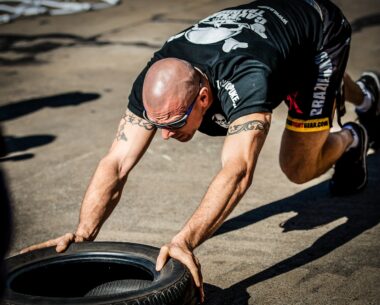
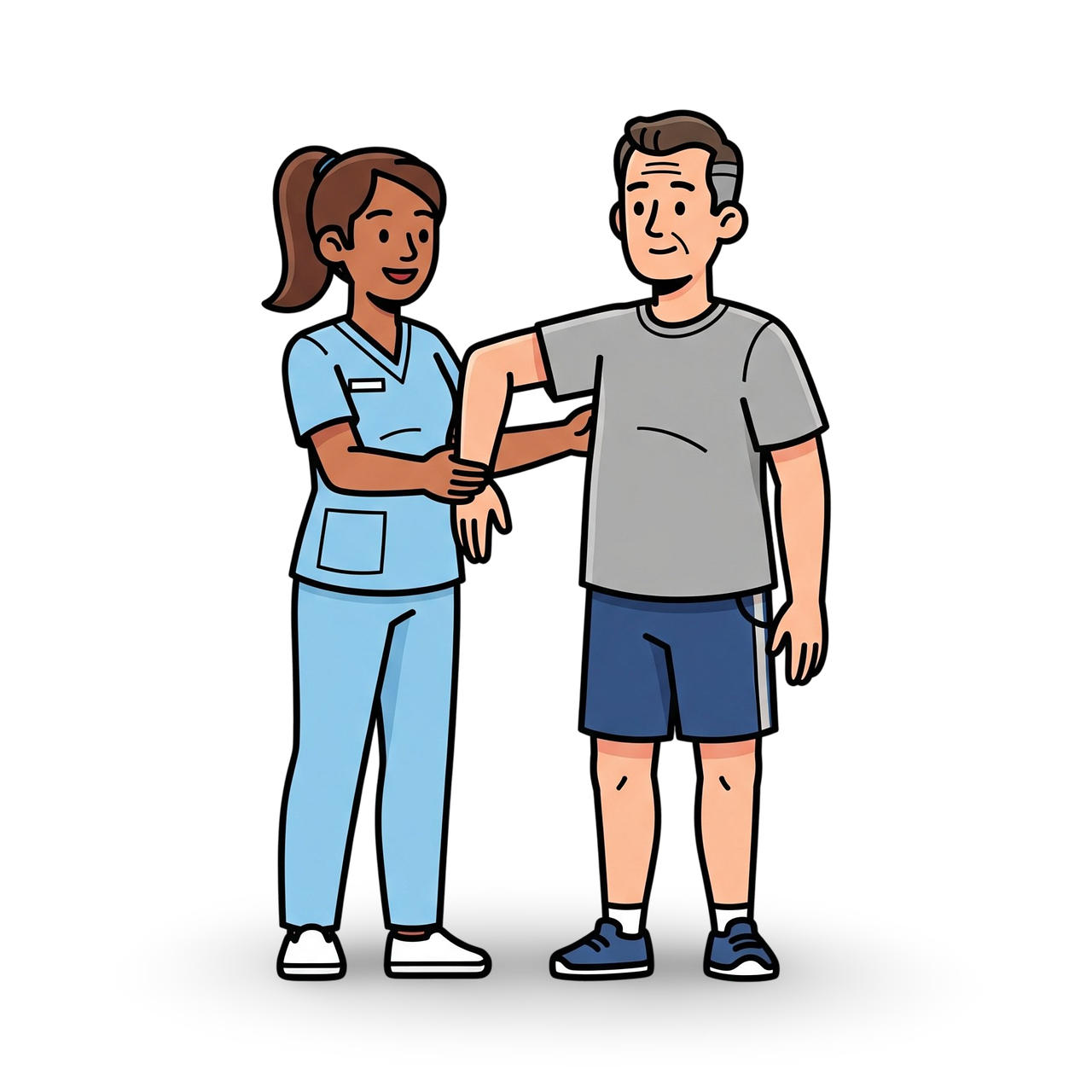
Functional fitness plays a pivotal role in rehabilitation by focusing on improving movements that are essential for daily activities. This type of fitness training emphasizes exercises that mimic common tasks, making it highly effective in regaining mobility and strength. In rehabilitation settings, these exercises are tailored to individual needs, and they incorporate elements that enhance balance, coordination, and core stability. Participants engage in workouts that are designed to facilitate recovery from injuries or surgeries, thereby allowing them to reconnect with their bodies. As clients focus on movements they perform in everyday life, they become more aware of their physical capabilities. The results often include improved endurance and flexibility. Not only does functional fitness speed up the recovery process, but it also helps prevent further injuries by educating individuals on proper movement patterns. Ultimately, rehabilitation through functional fitness presents an integrated approach to health and wellness, addressing both physical and psychological healing. This holistic focus encourages individuals to actively participate in their recovery journey, thereby empowering them to take control of their health.
This type of training is not just limited to physical recovery. The psychological benefits are equally significant. Functional fitness boosts motivation and confidence as people witness their progress in overcoming challenges, leading to enhanced mental well-being. Individuals often feel more connected to their bodies and more in control of their rehabilitation journey. Moreover, group settings can foster a supportive environment where participants encourage each other in their fitness objectives. This communal aspect can significantly reduce feelings of isolation that often accompany recovery processes. Exercises include squats, lunges, and movements with resistance bands that strengthen muscles effectively. Clients will find themselves equipped with improved physical capability, essential for returning to daily functions. The benefits extend beyond the gym as individuals incorporate learned movements into their real-life routines. Consequently, functional fitness empowers clients to redefine their limits and regain independence. By promoting an active lifestyle during the recovery phase, functional fitness directly contributes to long-term wellness. Participants learn not only how to recover but also how to thrive in their everyday lives post-rehabilitation.
Foundation of Functional Fitness in Rehabilitation
At its core, functional fitness encompasses exercises developed specifically to improve activities of daily living. This makes it an essential component of rehabilitation programs tailored to various populations. The structured design of functional fitness workouts allows participants to enhance their strength, balance, and flexibility. Skilled trainers carefully assess each individual’s needs, creating personalized programs aimed at accelerating recovery. The selection of exercises includes movements such as lifting, reaching, and bending, which clients are likely to encounter in daily scenarios. By doing so, functional fitness prepares individuals for the physical demands of everyday tasks and minimizes the risk of re-injury. These tailored programs not only help in physical recovery but they also play a vital role in improving individuals’ overall quality of life. As patients regain strength, they also build confidence in their abilities to perform tasks that they once thought were impossible after an injury. This targeted approach is particularly beneficial for older adults, as it can significantly improve their independence and reduce fall risks. Ultimately, functional fitness embodies the philosophy of recovery through active participation.
The synergy between physical recovery and functional fitness is especially evident in therapeutic settings. Healthcare providers often utilize this fitness model to design comprehensive rehabilitation regimens aimed explicitly at restoring functional abilities. By integrating strength, flexibility, and balance training, professionals can address specific physical limitations. This ensures that individuals are not only recovering but also gaining the necessary skills to navigate their environments confidently. For instance, exercises that mimic real-world activities, like climbing stairs or getting in and out of a car, specifically target functional challenges faced by patients. As clients progress through their rehabilitation, these exercises evolve, increasing in complexity and intensity. Continuous evaluations and adaptations keep clients engaged and motivated, ensuring they are consistently challenged and improving. Functional fitness creates a bridge between injury and successful reintegration into daily life. This structured approach empowers individuals to embrace their recovery journeys, knowing that each session brings them closer to their rehabilitation goals. Overall, the systematic use of functional fitness training in rehabilitative contexts creates a pathway for continual growth and healing.
Community and Support in Rehabilitation
Participating in functional fitness classes during rehabilitation fosters an incredible sense of community among individuals facing similar challenges. The support and encouragement from fellow participants can lead to stronger connections and a shared experience of overcoming obstacles together. In group classes, individuals are not only able to learn about the importance of functional fitness, but they also gain insights from each other’s unique journeys. Social interaction plays a significant role in the recovery process and can significantly enhance motivation and accountability. Many have found that working alongside others helps alleviate fears and anxiety often associated with rehabilitation. By celebrating progress, big or small, individuals feel a sense of accomplishment that boosts their overall morale. Additionally, fitness instructors often act as mentors, guiding participants through their progress while fostering a supportive atmosphere. These positive relationships can also diminish feelings of stress, leading to improved recovery outcomes. The camaraderie and encouragement shared in functional fitness settings create a compelling reason for individuals to commit to their rehabilitation journeys and strive towards reaching their personal fitness goals.
Functional fitness not only promotes recovery but also enhances overall health and wellness, appealing to individuals of all ages and fitness levels. This inclusive approach enables everyone to participate, regardless of their physical limitations. Functional fitness prioritizes functional movements that help individuals regain strength and flexibility, leading to improved physical capabilities. Trainers are skilled in modifying exercises so that they can be accessible while also challenging enough to promote growth. As participants engage in these functional movements, they develop a greater awareness of their bodies and movements, which translates to improved coordination and balance. Transitioning back into daily life becomes easier as clients discover increased strength and endurance through functional fitness. This training method also educates clients on the importance of maintaining an active lifestyle post-rehabilitation. The skills gained through functional fitness classes can have lasting impacts on overall health, encouraging individuals to stay physically active for life. Enhanced mobility can lead to a more fulfilling lifestyle, reducing the risk of chronic illnesses associated with inactivity. Therefore, incorporating functional fitness into rehabilitation signifies a commitment to lifelong health and wellness.
Conclusion: Embracing Functional Fitness
In conclusion, the role of functional fitness in rehabilitation cannot be overstated. It serves as a catalyst for recovery by emphasizing movements relevant to everyday life. This makes it a powerful tool for individuals aiming to regain strength, flexibility, and confidence after injury or surgery. Functional fitness programs are not only ideal for rehabilitation but also encourage long-term health benefits as participants continue to engage in regular exercise. As individuals progress through functional fitness classes, they develop a greater understanding of their bodies, learning essential skills that enhance both their physical and mental well-being. The emphasis on community, support, and adaptability further enhances the rehabilitation experience. In a world where many struggle with the implications of injuries or age-related challenges, functional fitness empowers individuals to overcome hurdles and achieve their personal goals. Ultimately, the journey through functional fitness leads to improved quality of life and fulfilling achievements. By embracing this method, we can transform our approaches to rehabilitation and fitness, fostering healthier, happier lifestyles for individuals everywhere.
The importance of functional fitness in rehabilitation extends beyond mere physical improvement; it supports emotional health and resilience as well. Sometimes, those recovering from injuries may experience feelings of frustration, isolation, or despair, all of which can hinder progress. Functional fitness settings offer a supportive environment where individuals can share experiences and foster friendships. This social interaction contributes to psychological recovery as individuals learn from others’ insights and experiences. By participating in engaging and purposeful movements, clients often find a profound sense of belonging within the community. Staying active through functional fitness positively reinforces mental well-being, encouraging individuals to adopt a proactive approach to health. Through consistent practice, they cultivate resilience, grit, and adaptive problem-solving skills. Furthermore, clients may notice improvement in mood and self-esteem as they become more adept at daily tasks, which contribute to a greater sense of empowerment in their recovery journey. Overall, functional fitness not only aids physical rehabilitation but also fortifies mental strength and emotional health. With its holistic approach focusing on both body and mind, functional fitness stands as a key player in transformative rehabilitation processes.