
Combating Arthritis Pain with Low Impact Cardio Group Exercises
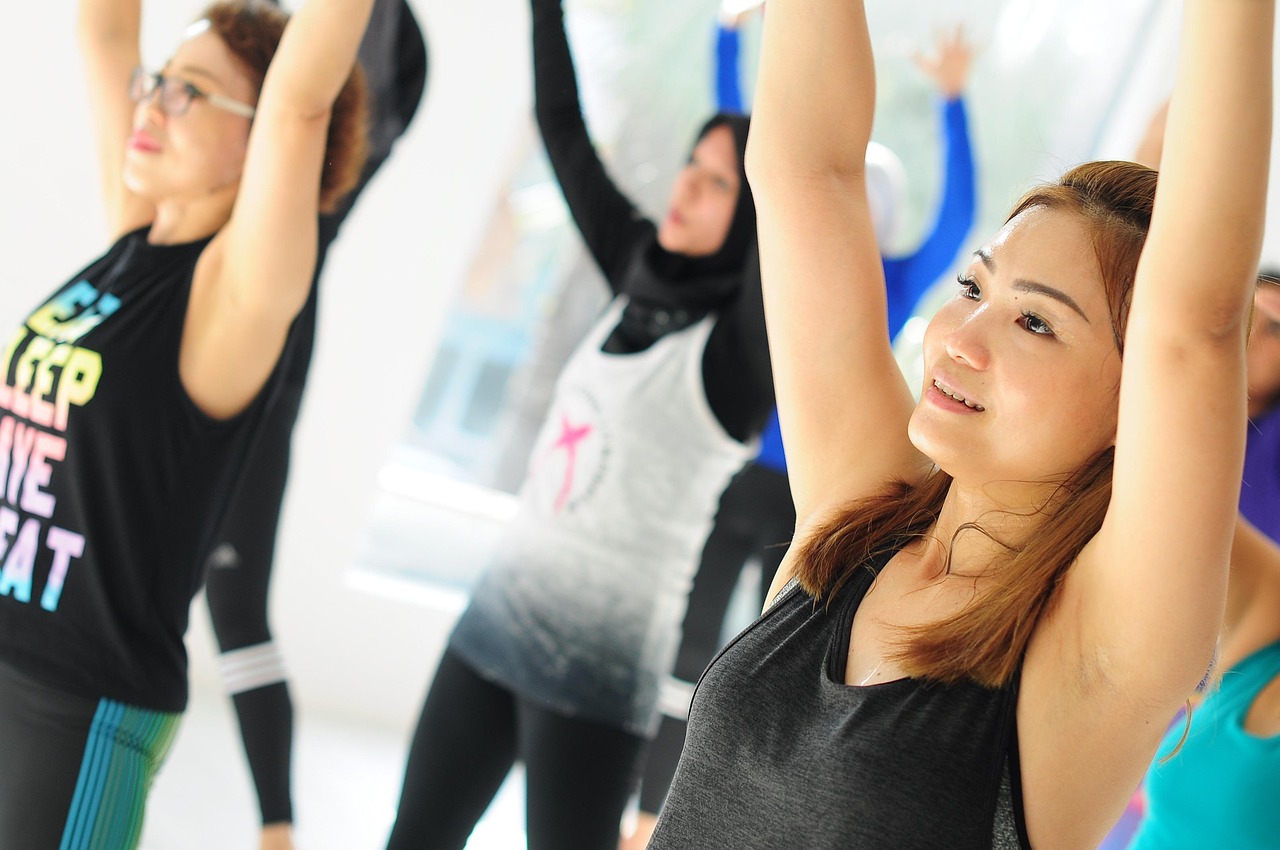
Arthritis pain can greatly impede daily activities and overall quality of life. However, low impact cardio group exercises have emerged as a beneficial approach for managing this condition. These types of exercises focus on reducing stress on joints while promoting movement, flexibility, and strength. Group settings encourage social interaction, offering motivation and support, which can be instrumental in maintaining a consistent practice. Examples of low impact cardio activities include cycling, swimming, and water aerobics. These activities not only minimize the risk of pain flare-ups but also enhance cardiovascular health. Additionally, participating in group classes can provide guidance from trained instructors who understand the unique challenges faced by individuals with arthritis. Keeping active is crucial, and adapting exercises to fit personal abilities helps in preventing the deterioration of joint function. Over time, increased physical activity can lead to improvements in pain management, mood, and overall health status. The camaraderie in group classes fosters an enjoyable environment that can enhance adherence to fitness goals and create long-term exercise habits. Adopting low impact cardio in a supportive group setting may well be the key to alleviating arthritis symptoms.
The Importance of Choosing Low Impact Exercises
Choosing low impact exercises is essential for individuals living with arthritis. High-impact activities often exacerbate discomfort in joints, leading to pain and potential injury. Low impact options ensure that individuals can engage in physical activity without overburdening their joints, making them more sustainable. One of the key benefits of low impact cardio is its effectiveness in improving cardiovascular fitness while limiting strain. Activities such as brisk walking, elliptical workouts, and chair exercises can increase heart rate and endurance without placing excessive stress on the knees, hips, or back. In addition, maintaining a regular exercise routine helps in weight management, which is crucial for reducing the pressure on joints affected by arthritis. By keeping exercise sessions low-impact, individuals can comfortably progress their fitness levels at their own pace. This gradual approach serves to build strength and flexibility, which are vital for joint support. When engaging in low impact exercises, it’s essential to listen to one’s body and modify activities accordingly. Seeking advice from healthcare professionals before embarking on new fitness journeys can also ensure safety and efficacy in managing arthritis through exercise.
Social interaction is another compelling reason to participate in low impact cardio group exercises. Group classes offer an opportunity to meet others facing similar challenges, creating a sense of community that can enhance motivation and commitment. The supportive atmosphere of a class can be incredibly encouraging, as participants share tips, stories, and experiences. This emotional support lowers feelings of isolation and stress, which are often compounded by chronic pain conditions. Instructors in these classes are often well-trained, offering modifications and personalized guidance, ensuring participants engage safely in the activities without undue strain. Furthermore, learning new skills within a group setting can be both fun and rewarding, fostering a more profound enjoyment of physical activity. Everyone’s fitness journey is unique, yet sharing the experience with others can help maintain momentum even on challenging days. Group dynamics encourage camaraderie, spurring participants on to achieve their personal fitness goals together. Moreover, the excitement of group engagement can sometimes outweigh the discomfort associated with arthritis, reminding attendees of the joy of movement and shared experiences in overcoming challenges.
Benefits of Low Impact Cardio
The benefits of low impact cardio for arthritis sufferers are multi-faceted. Engaging in these exercises leads to improved joint mobility and reduced stiffness, crucial for enhancing overall function. Consistency in low impact activities promotes better circulation and nutrient delivery to joint tissues, which can expedite healing and alleviate discomfort. Additionally, individuals often experience psychological benefits, including reduced anxiety and improved mood due to the release of endorphins during exercise. Regular low impact cardio can also bolster strength in muscles surrounding joints, providing better support and reducing the likelihood of injury. These benefits extend beyond physical health; they can also enhance life satisfaction and social well-being. When individuals feel less constrained by pain, their confidence in participating in recreational activities increases. Furthermore, group fitness sessions foster accountability and commitment, making it easier to stick with an exercise regimen. Adopting a proactive approach to arthritis management through low impact cardio not only helps in mitigating pain but also empowers individuals to reclaim their lives and actively participate in community and social events, leading to a more fulfilling lifestyle.
It is essential for individuals engaging in low impact cardio classes to focus on proper form and technique. Insufficient techniques can inadvertently place stress on joints, potentially leading to pain or injury. Moreover, warm-ups and cool-downs are crucial components of any fitness session, especially for those with arthritis. Warm-ups prepare the body for exercise by increasing blood flow and flexibility, while cool-downs assist in reducing muscle soreness post-exercise. Instructors typically incorporate these into group sessions, so participants should pay attention and actively engage in these parts of the class. Additionally, choosing the right footwear and equipment is vital for sustaining comfort and performance during exercises. Well-cushioned shoes can provide the necessary support for joints and improve overall stability. Individuals should also remain hydrated and listen to their bodies during workouts, respecting personal limits. Everyone will have different capabilities and levels of endurance, emphasizing the importance of intuitive exercise. Creating a consistent routine involving low impact cardio can lead to long-term benefits. Engaging in enjoyable activities, ranging from dance-based classes to cycling, can help individuals find joy in movement despite facing arthritis symptoms.
Getting Started with Low Impact Cardio Classes
Starting low impact cardio classes can feel daunting for newcomers. However, opportunities abound for individuals to join in on community fitness programs designed specifically for those with arthritis. Many local fitness centers and community pools offer specialized classes led by certified professionals trained in working with this population. It’s also possible to find virtual classes or online resources that provide guidance and support. Connecting with healthcare professionals for recommendations can help individuals identify suitable programs. As participants begin, it’s advisable to start with foundational exercises focusing on building balance and strength. Subsequently, progressing to more challenging routines can enhance fitness without overwhelming the body. Class schedules often accommodate various levels, encouraging everyone to find their appropriate starting point. Also, adaptability is vital; individuals should feel comfortable modifying exercises to suit their own pace and comfort level. Listening to one’s body provides valuable feedback, indicating when to push toward progress or when to take a step back to avoid overexertion. Most importantly, maintaining a positive outlook will help foster resilience and enjoyment in the journey towards better health through low impact activities.
In conclusion, embracing low impact cardio group exercises is a proactive strategy for combating arthritis pain. The physical benefits, including improved mobility and reduced stiffness, combined with the social aspect of group participation make this form of exercise highly appealing. Individuals can find themselves not only alleviating physical symptoms but also expanding their social circles and enhancing life satisfaction through shared experiences. With the guidance of supportive instructors and the camaraderie of fellow participants, embarking on this fitness journey feels more achievable. When approaching exercise with an open mind, and a focus on enjoyment, it becomes a sustainable practice that can be maintained long-term. Remember, every step taken towards physical activity is a step toward a healthier and more fulfilling life. Individuals dealing with arthritis are encouraged to start small and gradually incorporate more activity into their daily routines. Over time, the positive effects of low impact cardio will emerge, promoting a healthier lifestyle. So, take that first step, and join a group class to experience the multifaceted benefits of moving with less pressure on the joints.