
The Role of Sunglasses and Eye Protection in Injury Prevention
For cyclists, maintaining safety on the roads is essential, and using proper eye protection plays a significant role in injury prevention. Cyclists are exposed to various environmental factors that can impact visibility and comfort, including sunlight, wind, debris, and insects. Wearing sunglasses can significantly reduce glare, enhance contrast, and improve overall visibility. This acute awareness contributes to making safer riding decisions. Moreover, cycling in bright sunlight without eye protection can lead to eye strain, fatigue, and long-term damage. Well-designed cycling sunglasses provide 100% UV protection, assisting in preventing serious eye issues such as cataracts and macular degeneration. Therefore, investing in quality eyewear is not just a matter of style but also a crucial health consideration. Proper sunglasses can enhance the overall cycling experience, allowing individuals to ride longer and enjoy their surroundings without discomfort. Additionally, having protective eyewear that fits correctly is vital; poorly fitting sunglasses can slip off or cause distractions while cycling, inadvertently putting the rider at risk. Hence, choosing the right pair is essential for every cyclist’s toolkit.
In addition to protecting against harmful UV rays, sunglasses serve as a barrier against wind and debris, ensuring a clearer line of sight. When cyclists ride at high speeds, the wind can cause irritation and dryness in the eyes, making it difficult to see properly. By wearing high-quality eyewear, individuals can shield their eyes from gusts and particles that may distract them or cause injury. Among essential features, shatter-resistant lenses stand out as crucial for cyclists. In the event of a fall or an accident, regular eyewear might break, resulting in additional injuries. Protective sunglasses should be robust and designed with safety in mind. Some options include interchangeable lenses, which allow cyclists to adapt to changing light conditions, thus enhancing safety. Furthermore, the importance of anti-fog technology in cycling glasses cannot be overstated. This feature is particularly valuable during winter or humid conditions, ensuring that cyclists can maintain clear visibility throughout their ride. Regularly checking for scratches or damages will help ensure that the sunglasses remain functional and reliable. Therefore, proper maintenance and awareness are fundamental when selecting these protective accessories.
Factors to Consider When Choosing Sunglasses
When selecting sunglasses for cycling, various factors should be kept in mind to ensure optimal protection. First and foremost, it’s essential to look for sunglasses with a wraparound design. This style provides maximum coverage, reducing the chance of sunlight or debris entering from the sides. Additionally, some designs incorporate vented lenses to further prevent fogging. Choosing interchangeable lenses is another effective solution, allowing cyclists to adapt to a range of lighting conditions. Depending on the environment, cyclists may benefit from lenses that enhance contrast during cloudy days or darker lenses for sunny rides. Furthermore, checking for polarization in lenses is essential, as polarized sunglasses can significantly reduce glare, making it easier to see the road and any obstacles ahead. It’s also crucial to prioritize comfort; lightweight materials enhance wearability during long rides. Bike glasses should fit snugly without being too tight, ensuring they stay in place regardless of speed or terrain. Lastly, affordability and quality balance is often necessary. Investing in high-quality sunglasses pays dividends in protection and performance. Remember, superior safety begins with proper equipment.
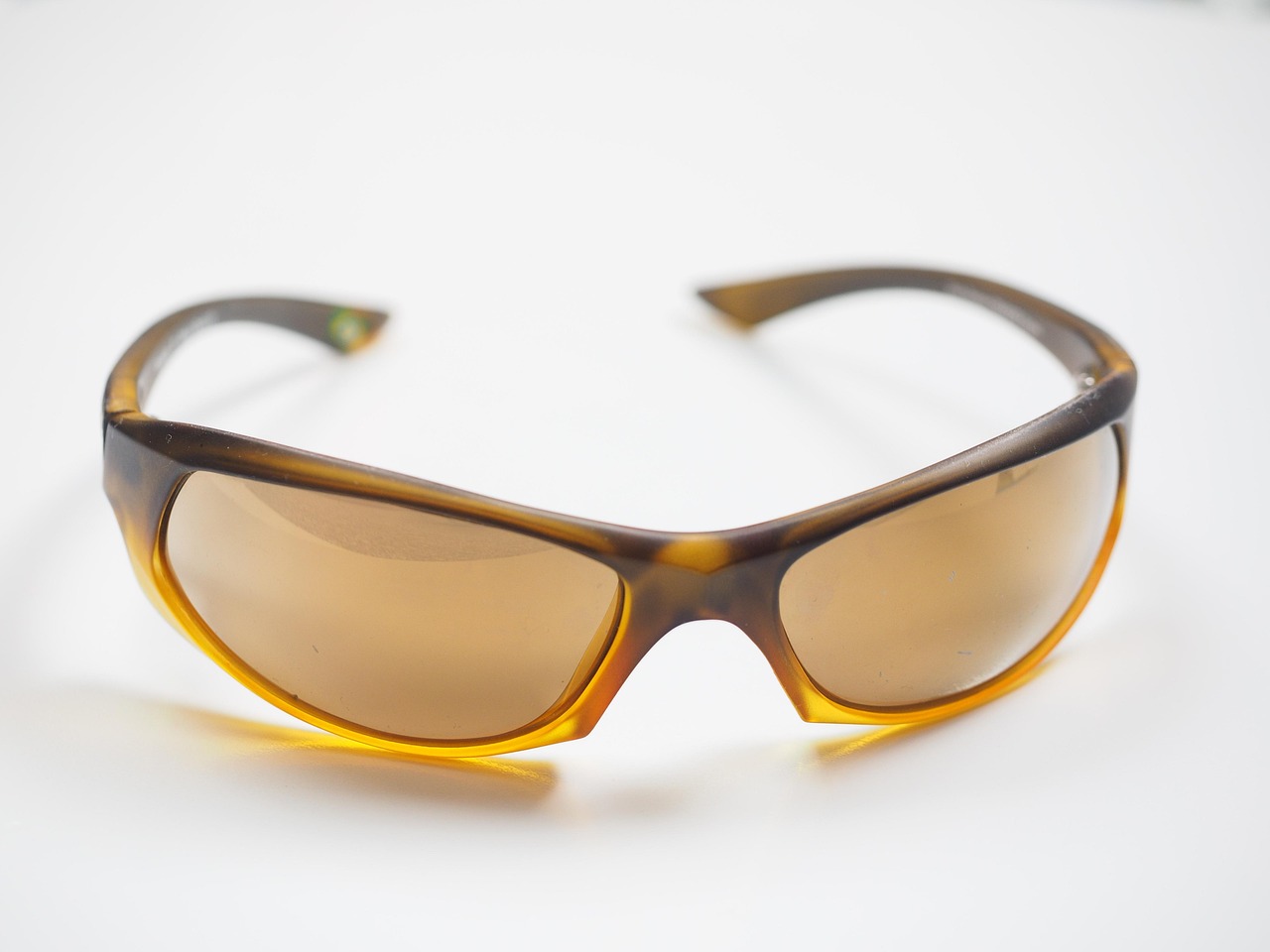
Another aspect to consider is the lens tint, which influences how a cyclist perceives their environment. For instance, brown or amber tints improve depth perception and contrast on sunny days. This clarity can be crucial for spotting approaching vehicles or unpaved terrain that might pose hazards. Gray tints, on the other hand, provide true color perception and natural tones while effectively reducing brightness. Therefore, cyclists should choose the lens tint based on their riding preferences and environmental conditions they frequently encounter. Additionally, examining the UV protection rating is vital. Sunglasses should block 100% of both UVA and UVB rays, as even short exposures can accumulate over time and cause irreversible damage. Moreover, wearing properly fitted eyewear can prevent accidents in summer months when sun exposure increases drastically. Another innovative option in cycling sunglasses includes photochromic lenses, which automatically adjust to changing light conditions. This adaptability eliminates the need for switching eyewear and ensures continual protection. As safety is paramount in cycling, all these considerations should guide cyclists toward making informed decisions regarding their eye protection while promoting confidence on the road.
Common Misconceptions About Eye Protection
Many cyclists hold misconceptions about the necessity and functionality of sunglasses. One common belief is that they are merely an optional accessory rather than a vital safety tool. It’s essential to understand that sunglasses serve multiple purposes that far exceed aesthetics. A common assumption is that wearing sunglasses will obstruct vision or create distortion. This is untrue, as quality cycling sunglasses are designed to enhance visibility by reducing glare and improving contrast. Another prevalent misconception involves assuming that all sunglasses offer equal protection. However, cheap sunglasses lacking suitable UV blocking or proper lens technology are ineffective against potential hazards. It’s crucial for cyclists to recognize that the price often reflects the quality of protection. Additionally, some may think eye protection isn’t necessary in the winter or cloudy weather. However, UV rays can penetrate clouds, making sunglasses relevant year-round. Debris and wind exposure also remain consistent regardless of the season. Lastly, a common fallacy is that prescription glasses suffice. Although they correct vision, they may not offer anti-fog or shatter-resistant features found in quality cycling eyewear, thus making them unsafe for biking.
Moreover, many cyclists underestimate the importance of maintaining their eyewear. Scratches and dirt can affect vision, potentially leading to accidents on the road. Keeping sunglasses clean and impactful is essential for optimal performance. Regular cleaning with appropriate solutions or cloths ensures clarity, preventing any obstructions from interfering with eyesight. Additionally, cyclists should be aware of the possibility of using straps to keep sunglasses in place, especially during rigorous rides. Such straps prevent the eyewear from falling off or becoming damaged during rides. Furthermore, trends in environmentally friendly eyewear are emerging, with manufacturers creating sunglasses from sustainable materials. These innovations not only protect the eyes but also contribute to reducing the overall carbon footprint, promoting organic cycling practices that align with health-conscious lifestyles. Ergonomic designs also hold merit in enhancing functionality, ensuring frames do not shift during rides. Encouraging personal responsibility regarding eye safety can foster community awareness about the significance of protective eyewear. Through education and responsible choices, cyclists can foster a culture where eye protection is recognized and valued, contributing positively to the cycling community.
Summary of Sunglasses Benefits for Cyclists
In summary, it’s evident that sunglasses play an indispensable role in injury prevention for cyclists. Beyond mere aesthetics, they ensure protection from harmful environmental elements, improve vision, and help maintain comfort during rides. By investing in high-quality eyewear, cyclists promote their long-term ocular health while enhancing their riding experience. Awareness of factors such as UV protection, lens tint, and design features fosters informed decisions. Moreover, dispelling common misconceptions about eyewear emphasizes its importance, clearing the path for enhanced safety. Proper maintenance of sunglasses ensures that cyclists achieve maximum performance while avoiding potential distractions on the road. As the cycling community evolves, promoting education around eye protection is paramount for safety. Sustainable trends in eyewear demonstrate a commitment to the environment, creating an overall positive impact. Therefore, cyclists should prioritize eyewear choices as fundamental gear elements, ensuring their outings remain enjoyable and safe. Collaboration and communication within the cycling community regarding safety gear can strengthen collective efforts to promote healthy riding practices. Adopting best practices for sunglasses use creates a foundation for optimum riding experiences, thereby contributing to overall injury prevention in cycling.
Lastly, embracing technology into the realm of cycling sunglasses can drive innovation and enhance safety. With advancements in design and materials, riders can access customized eyewear solutions catering to their specific needs. Brands are now exploring smart technologies, integrating features such as heads-up displays in cycling goggles. These innovations can provide instantaneous data, including speed and navigation elements, directly to the cyclist’s vision. By minimizing distractions related to constant smartphone checks, such technology refines the overall cycling experience. Moreover, companies are investing in higher-precision lenses that adjust dynamically to environmental conditions, increasing efficiency and convenience. Cyclists should stay informed about emerging trends in eye protection to remain ahead of the curve and deliver effective safety measures. Ultimately, whether cyclists prioritize aesthetics or functionality, modern sunglasses offer a combination of both while ensuring maximum protection. As the importance of eye protection becomes more widely recognized, it’s crucial that all cyclists advocate for protective measures on every ride. Focusing on education about sunglasses and their personal safety will empower riders, encouraging them to embrace protective styles that reflect their individuality. In turn, this leads to safer roads and cultivates a culture of mindful cycling.