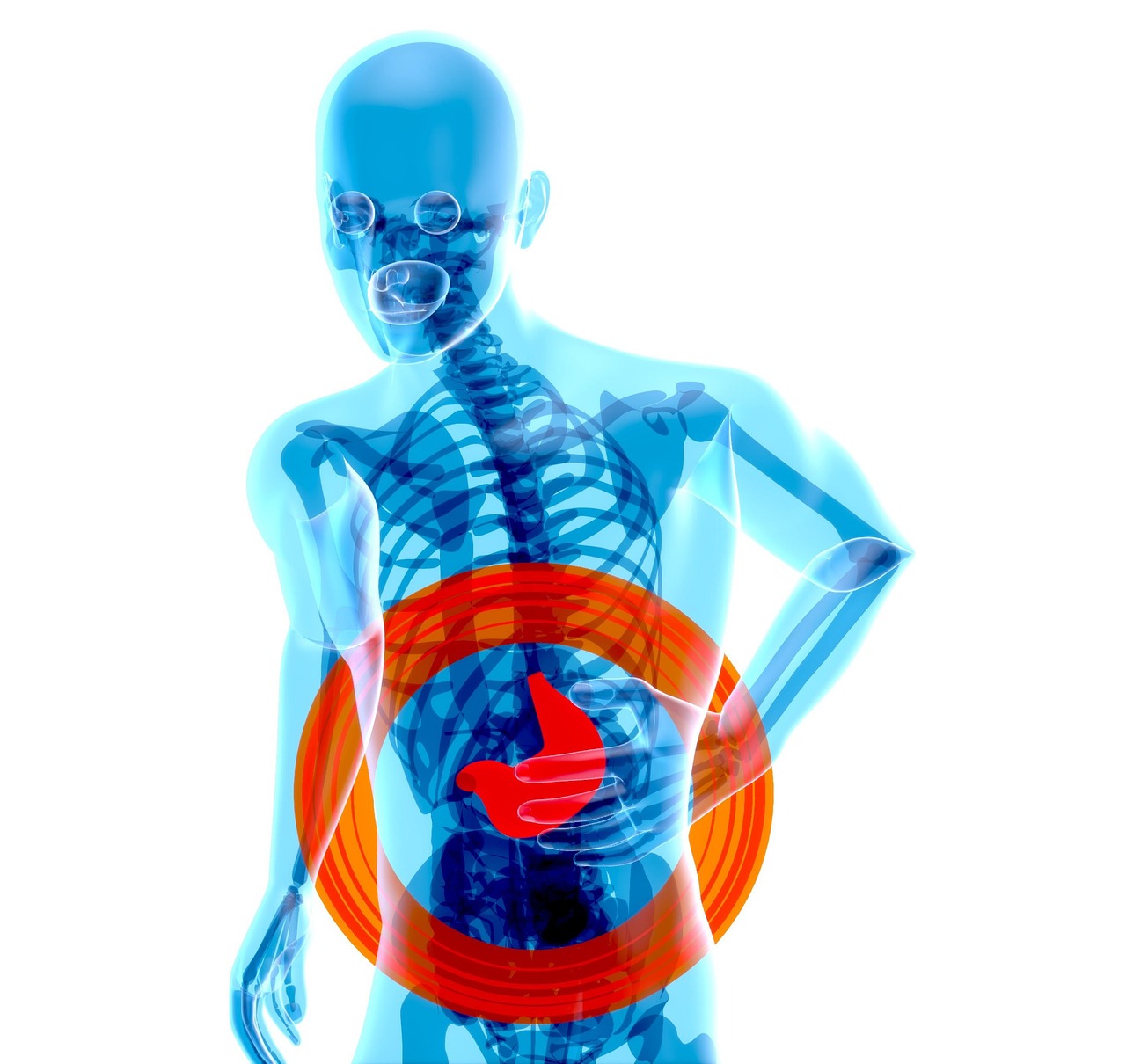

Signs You Need a Digestive Detox
Are you experiencing frequent bloating or discomfort in your abdomen? This is one of the clear signs that your digestive system may require a detox. Bloating can occur for various reasons, including food intolerances and digestive issues. When your body struggles to process certain foods properly, the result is often discomfort and gas. If you notice that you consistently feel bloated after meals, it could indicate accumulated toxins. Furthermore, this bloating often leads to an overall feeling of sluggishness, impacting your daily life and energy levels. To alleviate such symptoms, a focused detoxification might be necessary. Consider adopting a cleansing diet aimed at eliminating processed foods, sugars, and unhealthy fats while incorporating fresh fruits and vegetables. Also, staying hydrated is crucial since water aids in digestion and helps to flush out toxins. For more information on how to implement a detox through diet, visit reputable resources. Listen to your body’s signals; persistent bloating is not normal, and addressing this concern could lead to improved digestive health and a boost in your overall energy.
Another warning sign that you might need a digestive detox is irregular bowel movements. If you find yourself fluctuating between constipation and diarrhea, your digestive balance may be off. Detoxing can help reset your digestive system and promote regularity. A disrupted gut flora contributes to this irregularity, usually due to poor dietary habits filled with processed foods and artificial additives that can upset your gut microbiome. To facilitate healthy elimination, emphasize fiber-rich foods that support digestion, such as leafy greens, whole grains, legumes, and fruits. Additionally, reducing caffeine and alcohol intake can make a significant difference in regulating your digestion. Remember, maintaining a consistent schedule for your meals can train your digestive system and encourage regular bowel movements. Consider including prebiotics and probiotics in your diet to restore balance and improve gut health. By taking these steps, you not only create a healthier gut environment but also enhance nutrient absorption from the food you consume. Furthermore, high-fiber bowls or smoothies can be delicious ways to boost your fiber intake naturally and help in regularizing your bowel habits.
Unexplained Fatigue
Unexplained fatigue is another significant indicator that your digestive system might be in distress and could benefit from detoxification. If you often feel tired after consuming meals, it may be linked to how well your body can absorb nutrients from food. When your digestive system is compromised, your body may not effectively extract the energy it needs from the diet, leaving you feeling drained. A detox can help revitalize your gut, leading to increased energy levels and overall vitality. Choosing nutrient-dense foods while eliminating toxic substances from your diet through a cleansing regimen can revive your digestive efficiency. Whole foods, especially high in vitamins and minerals, can be beneficial in nourishing your body effectively. It’s also essential to maintain a proper balance of gut bacteria, as an unhealthy gut can impact your mood and energy levels. To counteract these symptoms, consider a routine that includes gut-friendly habits like fermented foods, probiotics, and plenty of hydration. By nurturing your digestive health, you can reclaim your energy and boost your physical and mental well-being.
Skin Issues and Detox
Skin issues such as breakouts or excessive dryness can indicate that your body is struggling with detoxification and may need a targeted approach. The skin acts as a mirror reflecting your internal health. If your digestive system is overloaded with toxins, it can manifest as rashes, acne, or dullness. When the body fails to eliminate harmful substances efficiently, the skin attempts to expel them, leading to various dermatological problems. Incorporating a detox diet focusing on cleansing foods can help cleanse your system and potentially improve skin conditions. Foods rich in antioxidants, such as berries, nuts, and green tea, support detoxification. Adequate hydration also plays a significant role in maintaining skin elasticity and aiding in toxin removal. Consider reducing processed sugars and dairy, both of which can aggravate skin issues for many people. Additionally, tying your detox with a skincare routine that promotes exfoliation can further enhance your results by allowing your skin to breathe and renew itself effectively. As you improve your internal health, you may see a corresponding improvement in your skin’s appearance and texture.
Experiencing frequent cravings, especially for sugar or unhealthy snacks, might also serve as a signal indicating the need for a digestive detox. These cravings may stem from an imbalance in your gut microbiome, where harmful bacteria outnumber beneficial bacteria. A poor diet rich in refined sugar and unhealthy fats can trigger these cravings, leading to a vicious cycle of poor eating habits. Engaging in a detox can help reset your taste buds and curb unhealthy cravings by focusing on whole, natural foods. Incorporating nutrient-dense options into your meals can stabilize your blood sugar and lead to fewer cravings over time. Additionally, high-protein foods can keep you feeling full longer, reducing the temptation to reach for unhealthy snacks. Remember, addressing emotional triggers for these cravings is essential as well; being mindful about when you snack can create healthier eating habits. By cleansing your digestive tract, you can foster a healthier relationship with food and end the cycle of unhealthy cravings, promoting better energy and wellbeing overall as you embark on this journey of healing your body.
Mood Swings and Digestive Health
Frequent mood swings or irritability can also be an indicator that your digestive system is in need of a reset. There is a strong connection between the gut and the brain, often referred to as the gut-brain axis. If your digestion is impaired, it can impact neurotransmitter production, leading to mood changes. A toxic build-up in the digestive system can contribute to feelings of anxiety and depression as well. Engaging in a detox can help clear out the build-up and restore balance in your gut flora. Incorporating probiotics into your diet may boost serotonin levels, significantly impacting mood and mental health. Foods such as yogurt, sauerkraut, and kombucha are excellent sources of beneficial bacteria. Furthermore, focusing on omega-3 fatty acids found in fatty fish and walnuts can also enhance brain health. Regular exercise and hydration throughout the detox process can help improve mental clarity and overall mood. By nurturing your relationship with food and understanding its impact on your emotions, you can effectively improve your mental health while aiding your digestive wellness.
Finally, if you find that your immune system seems weakened, this may indicate a need for digestive detox. A compromised digestive system can heavily impact your immune function as about 70% of your immune system is housed in your gut. If you’re frequently falling ill or feeling run-down, toxins may be hindering your overall vitality. A detox aimed at enhancing your digestive health can empower your body to naturally bolster its defenses. Incorporating immune-boosting foods including citrus fruits, garlic, and green vegetables can effectively support this process. Additionally, regular consumption of hydration-rich soups or teas can contribute to improved digestion and support your immune system. It is vital to include both prebiotic and probiotic foods during detox, as they foster a healthy gut environment. Managing stress alongside your detox is equally important, as it considerably affects your digestive health and immune function. By committing to a focused detox regimen, you will pave the way for better digestive and immune health, ultimately leading to enhanced overall well-being.