
Breaking Addiction Through Fitness: Men’s Motivational Stories
Many men struggle with addiction issues, finding themselves enveloped in cycles of dependence. It can be quite challenging to break free from the shackles of habits formed over years, whether they are related to substances, smoking, or unhealthy eating. However, fitness has emerged as a powerful tool for transformation, providing both physical and mental health benefits. In this journey of recovery, engaging in an active lifestyle can provide not only distractions but also a community of like-minded individuals. Fitness environments are often supportive, enabling men to push boundaries in a healthier direction. Exercising regularly can boost mood and self-esteem, creating a positive feedback loop. Through these motivational stories, men have demonstrated that change is possible, no matter how difficult the road may seem. They often share how their fitness journeys helped change their lives fundamentally. With determination and the right skills, overcoming addiction is achievable. Moreover, fitness becomes a source of pride and identity, fostering resilience. Men going through similar struggles can find inspiration and hope in these stories. Stay tuned to see how daily workouts can truly change lives.
Real-life Transformations
Real-life transformational stories serve as powerful testimonials of those who regained their lives through fitness. Take, for instance, a man who battled alcohol addiction for years. After hitting rock bottom, he discovered the gym. Initially, it was merely a distraction, but soon, the endorphins released during workouts fueled his ambition. He began to set fitness goals, which, in turn, enhanced his sense of responsibility. His commitment to fitness served as a pathway to self-discovery and growth. Over time, he not only transformed his body but also rebuilt relationships he once took for granted. The gym became a safe space, a community where he felt embraced rather than judged. Another example highlights a man who used fitness to overcome a history of substance abuse. Choosing to prioritize his well-being over addiction, he found solace in running. Completing his first marathon felt liberating. Each finish line represented a battle won. These stories reflect the power of personal commitment to fitness, showing how physical resilience often translates into mental and emotional strength. Ultimately, these journeys reinforce the crucial link between fitness and healing.
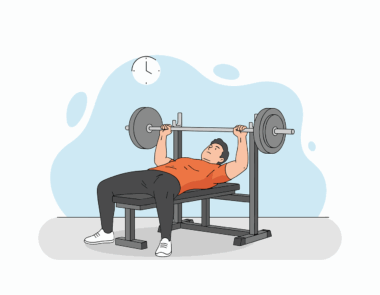
Fitness serves as a mental anchor for many recovering from addiction. Regular participation in physical activities can significantly elevate mood and general outlook on life. Men involved in sports or fitness classes frequently report feeling more connected to their surroundings. They emphasize how being part of a fitness community keeps them accountable. For instance, group classes foster companionship among individuals with similar experiences, allowing them to bond through shared struggles. Having workout buddies can serve as positive influences who encourage each other to stay on track. Moreover, physical exertion itself combats stress levels, reducing cravings for substances. Many have reflected on the therapeutic aspects of lifting weights or running kilometers, highlighting their ability to channel negative emotions into meaningful sweat sessions. This cathartic release through exercise proves essential in their recovery journeys. Engaging continuously leads to improved physical health, empowering men to rediscover themselves. By replacing addiction-induced habits with healthier routines, they gradually construct a new identity founded on fitness and wellness. With time, the results translate into improved self-esteem and self-respect. Their inspirational stories encourage others entrenched in toxic cycles to consider similar paths toward betterment.
The Power of Setting Goals
Goal setting emerges as a critical element in successful transformations. Establishing clear, attainable fitness goals helps cultivate discipline. Men who define specific targets for weight loss, muscle gain, or endurance often find the motivation to stay focused. This structured approach provides them with something to work toward. Setting milestones creates momentum, leading them to celebrate small victories along the way. Each achievement reinforces their commitment to personal wellness. Furthermore, sharing these goals with others encourages accountability. In supportive communities, relationships blossom, and camaraderie grows. Groups might share fitness aspirations, challenge each other, and even discuss shared struggles with addiction. This support network becomes integral in celebrating milestones. Some may even find mentors or peers who inspire them throughout their journeys. The stories of individuals overcoming addiction through fitness highlight how goal setting is essential. They recount their experiences of setting short-term and long-term objectives, emphasizing the impact of focusing on their fitness. Participation in challenges or competitions can also foster an environment of growth, further reinforcing dedication. As these men strive toward their aspirations, they often discover newfound strength within themselves.
Incorporating nutrition into the fitness journey is crucial in overcoming addiction. Many men realize that healthy eating habits significantly complement their physical activities. A balanced diet fuels workouts and aids recovery. As fitness becomes a priority, men often feel motivated to examine their food choices more critically. They exchange unhealthy snacks for nutritious alternatives and recognize the impact of mindful eating. This newfound focus on nutrition not only contributes to physical fitness but also supports overall mental health. Men participating in recovery programs share their journeys of improving dietary habits alongside their workout regimens. For example, they often report feeling more energetic and capable of tackling challenges in all aspects of their lives. This holistic approach fosters a sense of well-being and vitality, further reinforcing their commitment to fitness. Now empowered by understanding food’s role in their journeys, they make conscious decisions about what they consume. Ultimately, nutrition becomes a significant factor contributing to their physical and emotional well-being. These men find themselves experiencing transformative changes by making sustainable lifestyle adjustments. Through dedication and consistency, they create pathways to long-lasting recovery and success.
Community Support and its Impact
A strong support network remains essential in the journey of recovery from addiction. Many men positively recount the impact of surrounding themselves with encouraging individuals who share similar experiences or interests. By establishing friendships built on fitness, they uplift one another in times of difficulty, reminding each other of the importance of commitment. This fostering of connections within fitness communities alleviates feelings of isolation often associated with addiction. It reassures them they are not alone in their battles, offering camaraderie and encouragement. These networks can inspire motivation during times of doubt or temptation. Men frequently speak of group workouts, where they found motivation and shared accountability. Such environments can help reduce the stigma surrounding addiction, offering healing while engaging in productive activities. Over the years, many have formed lifelong friendships through fitness, acting as outlets for vulnerability. As their relationships deepen, they often turn into pillars of support. Community initiatives, participation in fitness events, and volunteer opportunities further enhance their sense of belonging. Realizing that achieving health is a shared goal allows them to celebrate challenges and victories together, ensuring continued encouragement and motivation.
In conclusion, fitness has proven itself as a catalyst for breaking addiction among men. Through inspiring stories and shared experiences, we observe how engaging in physical activities leads to profound transformation. Men have demonstrated time and again that commitment to fitness can generate wings of hope, creating lives of purpose and dedication. Stories of athletes in recovery hold invaluable lessons about resilience and strength. They reflect the profound psychological and emotional healing that fitness can offer. By substituting addiction with healthy habits, these men reignite their passions, uncovering personal strengths previously hidden. As they cultivate individual narratives of triumph, they inspire countless others struggling with addiction, signaling that change is possible. Various fitness communities have emerged, offering support and understanding to those seeking recovery paths. When men embark on this transformative journey, they become not just healthier individuals but advocates for others battling similar demons. In sharing experiences and encouraging one another, they foster an atmosphere of empowerment and hope. Ultimately, their stories serve as reminders that recovery is more than possible; it is, in fact, a journey best traveled amidst those who genuinely understand the struggles.