
Intermittent Fasting: Transforming Your Gut Health
Intermittent fasting has gained significant attention in recent years due to its potential health benefits, particularly for gut health. This dietary approach alternates periods of eating and fasting, allowing the digestive system to rest and rejuvenate. Research illustrates that fasting periods can impact the gut microbiome, enhancing digestion and nutrient absorption. By reducing the frequency of food intake, the gut can undergo a healing process, potentially leading to improved digestive efficiency. Important gut bacteria flourish during fasting, promoting better immunity and reducing inflammation. Fasting can also support the regeneration of gut lining cells, which can improve various digestive functions. Many practitioners of intermittent fasting report relief from bloating, gas, and discomfort related to heavy meals. Enhancing the gut microbiota improves digestion, and a healthy microbiome is crucial for overall well-being. Furthermore, certain studies suggest that fasting has protective effects against gut disorders, such as irritable bowel syndrome and inflammatory bowel diseases. As more research continues to emerge, it becomes clearer that intermittent fasting can provide substantial benefits for gut health. Individuals considering this practice should consult a healthcare provider to ensure it fits their personal lifestyle.
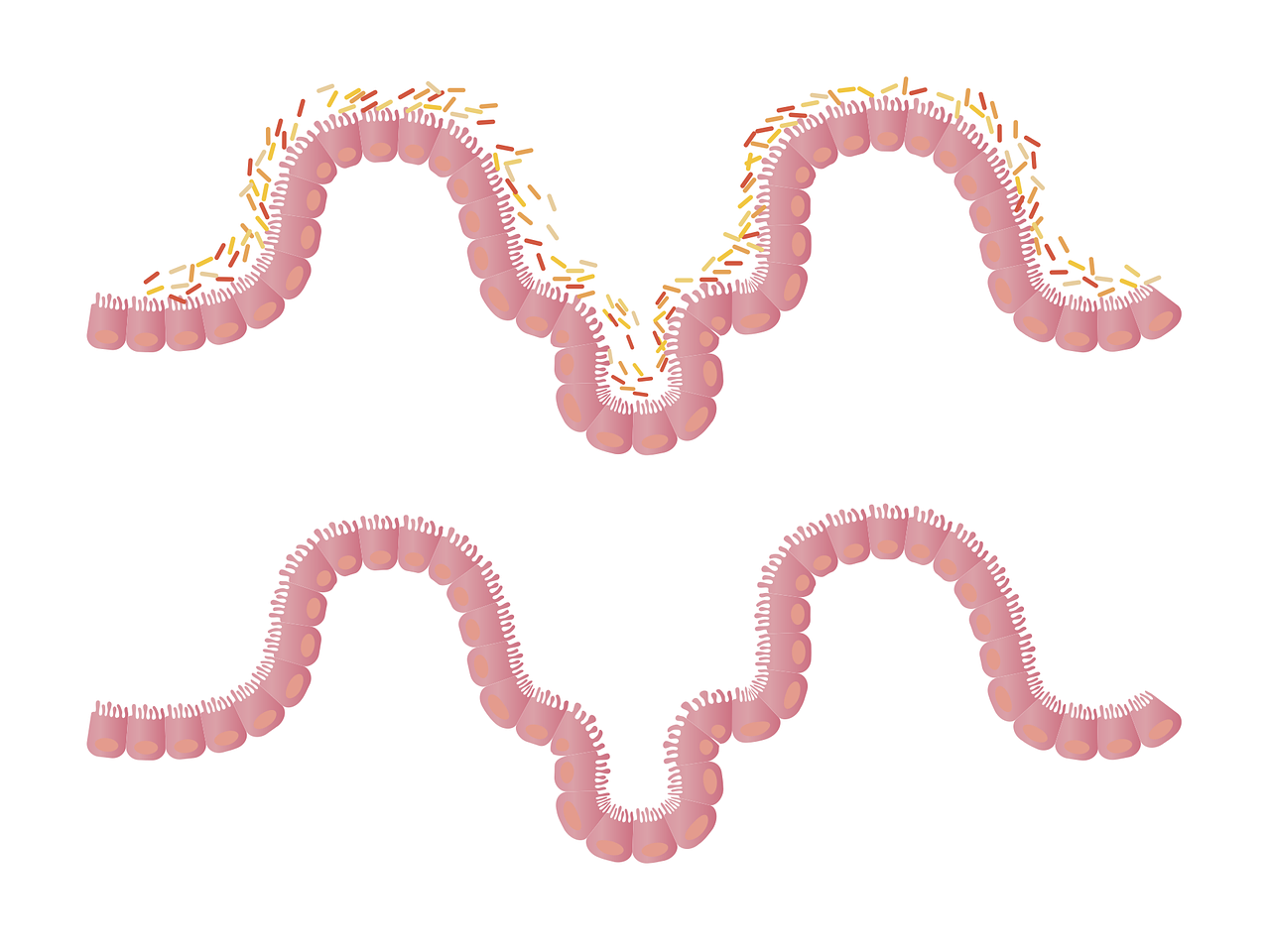
Understanding the gut microbiome’s essential role is vital to grasping how intermittent fasting can impact gut health. The microbiome comprises trillions of bacteria that reside in the digestive tract, influencing everything from digestion to immune response. A balanced microbiome is crucial for maintaining health, ensuring the body can efficiently process food and absorb vital nutrients. Disruptions in the gut microbiome can lead to various gastrointestinal issues, including bloating, constipation, and diarrhea. Interestingly, intermittent fasting seems to promote a favorable environment for healthy bacteria to thrive while also reducing harmful bacteria. This shift can enhance the overall diversity of gut bacteria, which is associated with better health outcomes. Some studies have found that fasting may help increase specific beneficial bacteria, contributing to improved metabolism and digestion. Embracing intermittent fasting could be a strategic way to cultivate a healthier gut microbiome and, in turn, enhance nutrient absorption and immune function. Individuals considering this regimen should focus on consuming whole, nutrient-dense foods during eating windows to maximize the benefits of their fasting routine. A well-balanced diet can complement the positive effects fasting has on gut health.
Fasting and Digestive Rest
One of the key aspects of intermittent fasting is the concept of digestive rest. By implementing periods of fasting, individuals can give their digestive system the time it needs to recover fully. During these fasting intervals, the body can redirect energy towards healing and maintenance processes rather than merely focusing on digestion. This restorative period can significantly enhance digestive health, as it allows the gut lining to repair itself and regenerate crucial cells. Many people experience reduced bloating and discomfort once they incorporate fasting into their routine. Moreover, fasting can lead to improved gut motility, which regulates the movement of food through the digestive tract. This improvement can prevent constipation and promote a more efficient digestive process overall. Another benefit of this digestive rest is its potential to regulate the production of digestive enzymes, which play a vital role in breaking down food. By allowing the gut to rest intermittently, one may find increased digestion efficiency and reduced gastrointestinal distress. Over time, these benefits can lead to a more resilient digestive system and better health overall, making intermittent fasting an appealing option for those looking to enhance gut health.
Incorporating intermittent fasting into your lifestyle also encourages mindful eating practices. During eating windows, individuals often become more aware of their food choices, leading to potential improvements in diet quality. Being selective about what to eat can play a crucial role in gut health, as a diet rich in fiber, prebiotics, and probiotics can nourish the beneficial bacteria in the microbiome. Foods like fruits, vegetables, whole grains, fermented foods, and healthy fats can enhance overall digestive function when consumed regularly. Individuals practicing intermittent fasting often find themselves gravitating towards more holistic and nourishing food options while avoiding processed foods that can exacerbate gut issues. This mindful approach not only contributes to a healthier gut but can also lead to a more balanced diet, positively impacting overall health and well-being. It’s essential to remember that hydration during fasting periods is equally important, as adequate water intake supports digestion and nutrient absorption. Implementing these strategies while adhering to the intermittent fasting regime can significantly enhance gut health and promote overall wellness.
Benefits of Intermittent Fasting for Gut Health
The benefits of intermittent fasting extend beyond the digestive system alone; research suggests it may also lead to improved metabolic health, weight management, and a variety of other health enhancements. Enhancing the gut microbiome through fasting can bolster metabolic health, promoting a more balanced insulin response and potentially reducing the risk of metabolic disorders. Improved insulin sensitivity can lead to better regulation of blood sugar levels, which is especially beneficial for individuals with prediabetes or type 2 diabetes. Additionally, intermittent fasting has been linked to weight loss, as it may naturally lead to consuming fewer calories while still providing essential nutrients. As individuals adopt healthier eating habits during their eating windows, they may also experience increased energy levels and improved mood. Furthermore, studies indicate that intermittent fasting can reduce oxidative stress in the body, contributing to improved cellular health and longevity. While more research is ongoing, combining a mindful dietary approach with intermittent fasting may yield significant health benefits, particularly for those focusing on enhancing their gut health while also supporting overall well-being.
Listening to one’s body is critical when practicing intermittent fasting, especially regarding gut health. Everyone’s experience with fasting can differ, so it is essential for individuals to pay attention to how their body responds. Some may find they can comfortably fast for longer periods, while others may thrive on shorter fasting windows. Recognizing hunger cues and understanding the body’s response can help individuals adjust their fasting protocols for optimal results. Over time, individuals may become more attuned to their digestive needs and preferences, allowing for a harmonious balance between fasting and eating that supports gut health. Consistency is also paramount in experiencing the benefits of intermittent fasting; sticking with a routine can enhance the body’s adaptation process. Consulting with a healthcare professional may provide personalized recommendations, helping individuals navigate their fasting journey effectively. Incorporating intermittent fasting can lead to a wealth of health benefits, particularly for digestive health and microbiome balance. As people explore this dietary practice, they can empower themselves with knowledge, leading to improved well-being through greater awareness of their bodies and digestive systems.
Conclusion
In conclusion, intermittent fasting presents a promising method for improving gut health through various mechanisms. By allowing the digestive system periods of rest, promoting a balanced microbiome, and encouraging mindful eating practices, individuals can experience significant benefits from this approach. Enhanced digestive efficiency, reduced gastrointestinal discomfort, and overall well-being are some positive outcomes that enthusiasts commonly report. As more research continues to unfold regarding the specific effects of intermittent fasting on gut health, it is essential for individuals to approach this dietary style with thoughtfulness. Creating balance and ensuring nutrient-rich choices during meal times can greatly enhance results from fasting efforts. As this practice becomes more mainstream, individuals should feel empowered to explore how intermittent fasting may positively impact their gut health, supplemented by a well-rounded diet. Ultimately, adopting intermittent fasting can cultivate better awareness of dietary habits and understanding the body’s nutritional needs, paving the way for enhanced overall health and longevity. Those considering this practice should consult a healthcare provider for tailored advice, ensuring an adaptable and enjoyable experience.