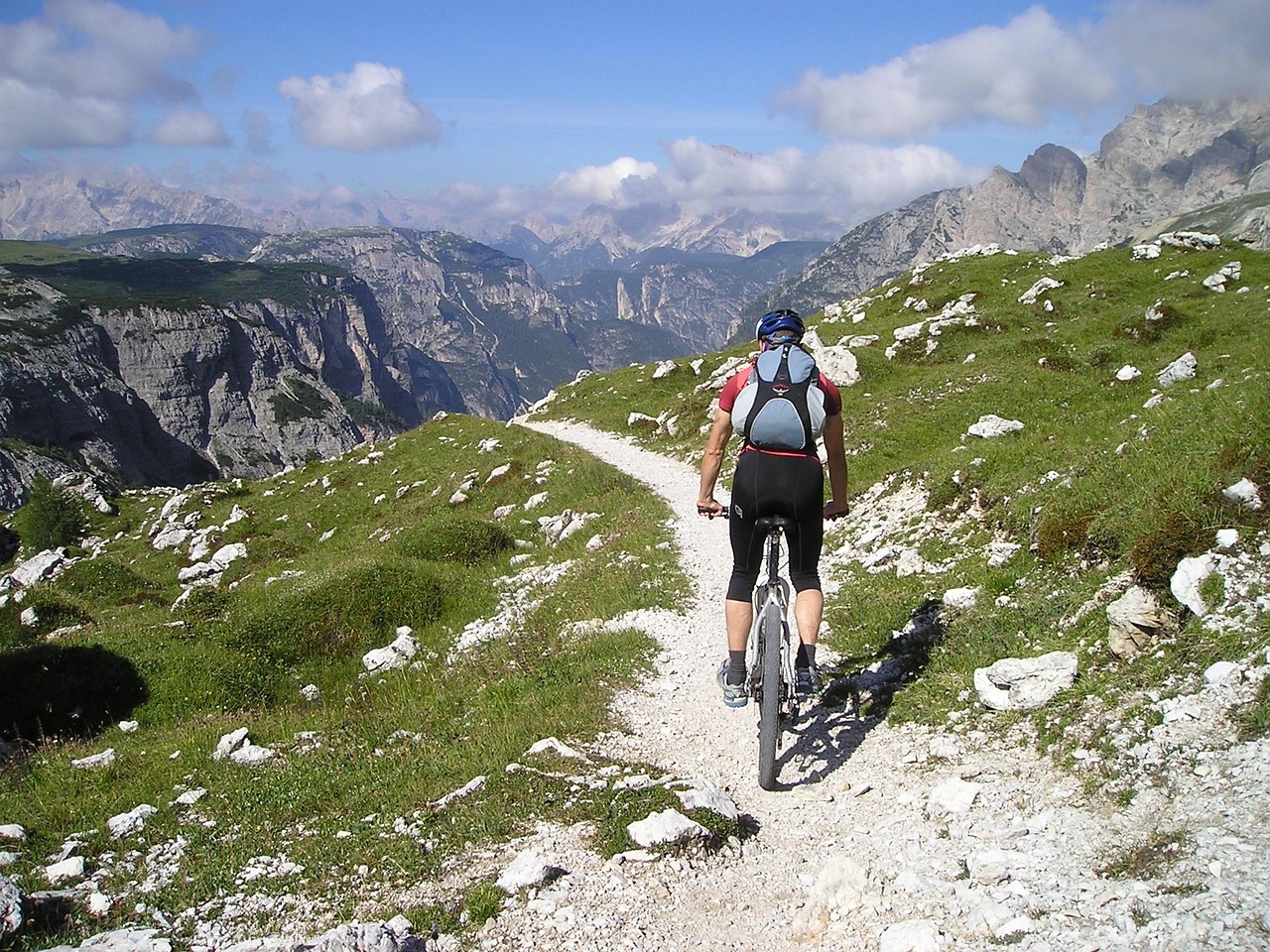

Maintenance Tips to Keep Your Mountain Bike in Peak Condition
Cycling enthusiasts know how important it is to maintain their mountain bikes for optimal performance. Regular maintenance can significantly enhance your bike’s lifespan and your riding experience. One of the first steps in maintaining your mountain bike is ensuring that the tires are in excellent condition. Check the tire pressure regularly, and ensure that the tires are inflated to the manufacturer’s recommended PSI. Inspect the tread for wear and replace tires if they become excessively worn or punctured. Moreover, keep your chain clean and lubricated. Dirt and grime can accumulate, causing unnecessary wear and tear. Ideally, clean the chain after every ride and apply appropriate chain lube. Make sure to wipe off excess lube to prevent dirt accumulation. Don’t forget to inspect your brakes frequently. Check the brake pads for wear and respond promptly to any signs of wear by replacing them. Performing regular brake checks will ensure your safety on difficult terrains and help you conquer steep trails more effectively.
Cleaning Your Mountain Bike
A clean mountain bike not only looks good but functions better. To keep your bike in top shape, focus on regular cleaning sessions, especially after muddy rides or dusty trails. Use a gentle degreaser for the drivetrain, as it effectively eliminates grease and grime without damaging components. Rinse your bike with low-pressure water to avoid pushing water into sensitive areas like bearings. After washing, pat the bike dry with a clean cloth to prevent rust. Pay extra attention to the brakes, as dirt can greatly affect braking performance. Cleaning your bike also involves checking wheel alignment. Spin the wheels and look for wobbles or misalignment. Adjusting the spokes or hubs might be necessary for optimum performance. When it comes to the frame, ensure the paint is protected by applying a light wax. Not only does this provide shine, but it also adds a layer of protection against elements. For those who are tech-savvy, using a bike stand during cleaning can make the process easier, enabling you to reach all angles while keeping the bike stable.
Inspecting your mountain bike regularly can help you catch issues before they escalate. Pay special attention to the suspension, as it absorbs shocks and enhances ride comfort. Inspect the fork and shock for any signs of leakage. If you notice fluid on the seals or around the suspension linkages, it’s time to service it. Regularly check for any unwanted movement in the suspension components, as play can lead to serious damage. Ensuring your mountain bike’s gears are functioning correctly is crucial. Misaligned gears can lead to poor shifting performance, ruining your riding experience. Check both front and rear derailleurs, and make sure they are aligned correctly. Adjust the tension in the cables if needed, as stiff cables can hinder shifting. A bike with responsive shifting will perform better on the trails and enhance your overall riding experience. You must also keep an eye on the pedals. Inspect them for any signs of wear and ensure they rotate freely. Regularly clean the pedal threads to maintain a solid grip and secure attachment to the cranks for optimal efficiency.
Essential Tools for Maintenance
Maintaining your mountain bike can be an enjoyable task with the right tools at your disposal. Start building a toolkit with the essentials: a set of Allen wrenches, screwdrivers, and tire levers are foundational tools every mountain biker must have. A good multi-tool can save you significant hassle during rides, allowing for on-the-spot adjustments or repairs. Additionally, having a chain tool handy will enable you to change or repair your chain if needed. Regularly checking and adjusting your brakes can improve performance and safety; thus, obtaining a brake adjustment tool is wise. A torque wrench is necessary for ensuring components are tightened to manufacturer specifications without over-tightening. Keeping your bike clean requires a basic cleaning kit, which should include a soft brush, degreaser, and a sponge. Lastly, consider a portable pump for emergency situations or a CO2 inflator for quick tire changes during rides. Having these tools readily available encourages regular maintenance, improves performance, and provides peace of mind while cycling through rugged terrains.
Understanding the importance of proper storage for your mountain bike is key to its longevity. When not in use, store your bike in a dry and temperature-controlled environment to prevent rust and deterioration. Avoid leaving it outdoors, as exposure to elements can significantly harm components like the brakes and drivetrain. If possible, consider using a bike mount or a hook to hang your bike, which helps to keep it off the ground and reduces wear on the tires. If you lack space for a bike stand, storing your bike vertically can be an effective solution. Each season change also calls for a comprehensive check-up; perform these checks during winter and spring when cycling conditions fluctuate. It is also a good idea to drain any air from tires slightly to prevent flat spots from forming during long storage periods. Another crucial step is to apply a rust inhibitor or protective spray in areas prone to corrosion. This simple act can save you significant repair costs and ensure that your bike is ready for your next adventure at a moment’s notice.
Upgrading Components for Performance
Upgrading components on your mountain bike can significantly enhance your riding experience and improve overall performance. Begin with your tires; investing in high-quality tires can affect grip and rolling resistance. Look for tires specifically designed for your riding style and preferred terrains. Upgrading your handlebars to a wider shape can enhance control and comfort during demanding rides. In addition, consider investing in a dropper post for added convenience on varied terrain. This allows for quick seat adjustments while riding, giving you better control. Upgrading to a lightweight wheelset can improve acceleration and handling. Lightweight wheels decrease rotational mass, allowing for quicker climbs and increased speed. Don’t underestimate the importance of a good saddle either; comfortable saddles can prevent fatigue on long rides. A bike fit can also play a crucial role in performance. Making minor adjustments to your fit can transform your riding experience, making it more pleasurable. Finally, consider upgrading your drivetrain components to achieve smoother shifting and improved gear range for enhanced climbing and speed on challenging trails.
Finally, remember that riding style impacts maintenance requirements. If you frequently ride on rocky or technical trails, your bike may require more frequent checks due to increased stress on components. Develop a maintenance schedule that reflects your riding frequency and nature of trails you tackle. Use checklists to ensure you don’t miss any vital maintenance tasks. This habit helps you identify potential issues early, thus improving safety. Ride with peers who can offer insights on their maintenance routines, exposing you to new ideas and practices. Furthermore, taking a class on basic bike maintenance can bolster your skills, allowing you to tackle issues without professional help. Engaging with biking communities, whether online or in-person, can provide support and camaraderie. Ultimately, proper maintenance is not just about keeping your bike in working order; it’s about enhancing your riding experience. Adopting good habits ensures a smooth, enjoyable ride and prolongs the life of your mountain bike, allowing you to enjoy many more exhilarating adventures.