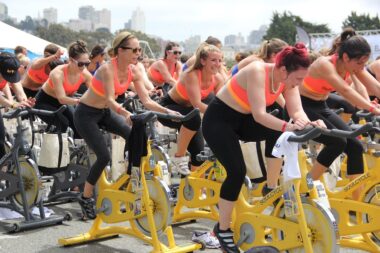

Understanding Group Dynamics for Motivation
Being part of a fitness group offers numerous psychological benefits, profoundly affecting motivation levels. Engaging in workout sessions with others creates a dynamic environment that fosters collaboration and encouragement. Group motivation comes from shared goals and collective achievements. Members often inspire each other to push through challenges. Additionally, the sense of accountability increases because participants are more likely to attend sessions when their peers are involved. The social aspect reduces feelings of isolation, which frequently accompany individual fitness journeys. Furthermore, individuals often report that exercising with others sparks feelings of joy and excitement. The laughter and camaraderie that develop within the group create a positive workout atmosphere. Attending a fitness group may also help individuals break through mental barriers by encouraging them to try new activities. The fear of judgment is often alleviated as everyone struggles and celebrates individual highs together. Therefore, surrounding oneself in a supportive community can be transformative. This can enhance performance and create lasting friendships. Overall, the psychological benefits of group fitness extend beyond physical results, fostering a nurturing environment that supports both body and mind.
The encouragement from others in a fitness group leads to enhanced performance and less perceived effort. When individuals see their peers pushing through challenging workouts, it often pushes them to do the same. This phenomenon roots itself in the principle of social comparison, where individuals gauge their abilities against those around them. Additionally, members can celebrate achievements together, reinforcing positive feelings about fitness journeys. Celebrating milestones, whether big or small, creates a strong sense of belonging. It bolsters confidence to set and achieve further goals. Each accomplishment is a testament to hard work and collective effort, which builds self-esteem and reinforces a healthy mindset. Furthermore, team challenges can create a fun and competitive atmosphere that pushes individuals to give their best. Healthy competition can spur motivation among group members, inspiring them to reach new heights. Group support extends beyond mere participation; it nurtures individual growth. Open discussions about struggles and victories can create deeper connections among participants. Sharing personal experiences promotes emotional expression and validation, which can foster personal growth. Thus, the dynamics of a fitness group can profoundly impact motivation and overall psychological well-being.
The Role of Emotional Support in Fitness
Emotional support is another vital advantage of belonging to fitness groups. Having like-minded individuals who understand the struggles of maintaining a fitness routine can be incredibly uplifting. Participants can share their challenges and triumphs, resulting in connections that go beyond the gym walls. This camaraderie offers comfort during tough times, reminding individuals that they are not alone in their battles. Emotional sharing cultivates compassion and empathy within the group. Members often become confidants, celebrating not just workout milestones but personal achievements too. Such support can lead to improved mental health outcomes, as shared struggles can alleviate feelings of anxiety and stress. The resultant bonds encourage individuals to stay committed to their fitness goals. As the group engages in discussions about emotional well-being, members often explore healthy coping strategies. Thus, the fitness environment becomes a safe haven for self-exploration. Members may also develop a sense of permanence within the community, knowing that their peers genuinely care about their success. Consistent emotional reinforcement plays a crucial role in maintaining motivation. In this context, fitness groups can significantly enhance individuals’ holistic well-being through emotional support.
Engagement in a fitness community helps individuals develop resilience and strengthens their ability to confront obstacles. Challenges, such as achieving specific workout targets, can seem daunting, but having a group promotes a collective resolve to overcome setbacks. This collective mindset cultivates perseverance among participants as they start viewing obstacles as opportunities for growth rather than hurdles. Peer encouragement during difficult moments often proves pivotal in maintaining morale. Participants learn to reframe their thinking, viewing setbacks as part of the journey rather than failures. This resilience extends beyond physical activities, often translating into other aspects of life. Members gain self-confidence and have improved problem-solving skills through a supportive network that encourages them to tackle difficulties head-on. By promoting a culture of persistence, fitness groups also help reduce fear of failure, encouraging experimentation and learning. Consequently, individuals may become more willing to step outside their comfort zones. Establishing fitness groups can foster a culture of motivation and shared resilience. Thus, the psychological benefits of group fitness extend to enhancing emotional fortitude and personal growth.
Building Lasting Relationships
Another compelling aspect of being part of a fitness group is the potential to build meaningful and lasting relationships. The shared journey of physical transformation fosters connection among participants. Over time, individuals in the group have the opportunity to bond over successes, struggles, and shared laughter. These relationships often extend beyond the gym, creating a support system for both fitness and personal challenges. Genuine friendships formed in these settings can provide critical emotional support, enhancing overall well-being. Participants often meet up outside scheduled sessions, expanding social interactions and experiences together. Moreover, engaging with diverse individuals opens avenues for personal growth and learning new perspectives. Finding community among a group of fitness enthusiasts can help individuals feel valued and encouraged. The connection formed through mutual interests allows participants to share valuable resources, such as workout tips or healthy recipes. These networks also provide accountability, as friends can motivate each other to stay consistent. Therefore, the friendships formed through fitness groups become an essential part of the overall experience. This network not only promotes fitness success but also enriches life experiences.
Setting shared goals within a fitness group creates a powerful motivational environment. Common objectives foster a sense of collaboration, encouraging members to rely on each other for guidance and support. Working towards collective milestones promotes teamwork, reinforcing the concept of shared accountability. For instance, training for a charity run or participating in a group challenge can propel participants to perform at their best. This unity in purpose often enhances individual commitment, as everyone feels like part of something bigger. Participants’ achievements become collective victories, contributing a sense of purpose to their physical journey. When team members witness each other progressing towards goals, motivation levels tend to soar. The resulting encouragement leads to an atmosphere rich in positivity and enthusiasm. Additionally, having a partner or group to rely on during tough days can be incredibly uplifting. Individuals may find it easier to tackle challenging workouts when they have a support system. The power of setting shared goals can provide the necessary drive to overcome individual hurdles. Ultimately, belonging to a fitness group allows members to transform their personal aspirations into shared triumphs, boosting motivation and accountability.
Conclusion: The Power of Community in Fitness
In conclusion, the psychological benefits of being part of a fitness group are vast and impactful. The structure provided by group dynamics enhances motivation, ensuring individuals remain engaged and committed. The emotional support cultivated within groups promotes emotional well-being, while shared goals foster accountability and camaraderie. Additionally, relationships formed within these communities can lead to lasting friendships and enrichment beyond the gym. Individuals develop resilience, learn coping mechanisms, and experience personal growth through the organization’s supportive atmosphere. These collective experiences allow members to embrace the challenges of their fitness journeys comfortably. Above all, fostering a community within fitness supports psychological health, demonstrating the profound effectiveness of companionship and shared goals. Ultimately, the combined experience of striving for physical health, emotional stability, and relational growth is where members truly thrive. This journey underscores the importance of connecting with others as they pursue their fitness aspirations. The vitality gained from joining a fitness community extends far beyond mere workouts. It creates networks of support that enhance quality of life while making fitness a more enjoyable and fulfilling endeavor.
When exploring the benefits of group fitness, remember to prioritize connections and engage with others. The support from a community plays a considerable role in maintaining motivation to reach personal fitness goals. Strive to become an active member of group exercises or classes that inspire camaraderie. Remember, fitness is not simply about individual endeavors; it thrives on the relationships formed along the journey. Embrace this community spirit to make your fitness experience enjoyable and fulfilling.