
Antioxidants and Their Effect on Protein Synthesis Post-Workout
Antioxidants play a crucial role in sports nutrition, particularly after exercise. They help to combat oxidative stress, which occurs during intense workouts. Increased oxidative stress can lead to muscle damage and impair recovery. Thus, consuming antioxidants post-workout may enhance recovery and optimize muscle performance. For athletes and fitness enthusiasts, understanding how antioxidants work to improve protein synthesis is essential. These compounds neutralize free radicals, thereby preventing cellular damage and promoting better health outcomes. There are numerous sources of antioxidants, including fruits like berries, vegetables, nuts, and whole grains. Furthermore, antioxidants may support the immune function, reducing the risk of illness and injury during training. The synergistic effect of antioxidants alongside protein intake can foster an optimal environment for muscle recovery. This effect can enhance the overall training results and minimize the risks related to overtraining. Also, many sports nutrition supplements contain antioxidants, improving their effectiveness. Therefore, incorporating abundant antioxidant-rich foods into a post-workout meal is highly beneficial. Prioritizing antioxidants can significantly assist athletes in gaining muscle mass and enhance their overall exercise experience for an effective recovery routine.
After a strenuous workout, protein synthesis is critical for muscle growth and recovery. However, intense physical activity can increase the level of reactive oxygen species (ROS) in the body. These free radicals can cause oxidative damage, negatively affecting protein synthesis. Antioxidants serve as noble defenders against this oxidative damage. By neutralizing free radicals, they help maintain a favorable environment for muscle repair and growth. Among the various types of antioxidants, vitamins C and E are highly regarded in sports nutrition. They provide substantial support to combat the oxidative stress that accompanies rigorous training sessions. Studies have shown that athletes who consume adequate antioxidants post-workout tend to experience enhanced protein synthesis. This can result in increased muscle mass and a faster recovery rate. By ensuring that the diet is rich in antioxidants, athletes can positively impact their overall performance and well-being. Complete post-workout nutrition, incorporating proteins, carbs, and antioxidants, can pave the way for optimal recovery. Additionally, hydration plays a role in supporting antioxidant functions in the body. Therefore, strategic planning to include these nutrients is essential for effective performance enhancement.
The Role of Antioxidants in Muscle Recovery
Muscle recovery is paramount for athletes to maintain consistent performance levels. Antioxidants are critical in this recovery phase due to their ability to decrease inflammation and promote tissue healing. When athletes engage in high-intensity exercises, micro-tears occur in the muscle fibers, leading to soreness and inflammation. Antioxidants mitigate this response by lowering the markers of inflammation, thus supporting faster recovery. Consuming antioxidant-rich foods immediately after workouts can convert this healing process into a more efficient state. Foods such as cherries, spinach, and sweet potatoes contain high amounts of antioxidants. By incorporating these foods into a recovery meal, athletes can leverage their nutrients to expedite healing. Moreover, specific supplements containing antioxidants can provide targeted benefits, especially for those engaging in intensive training sessions. The diverse benefits of antioxidants create a synergistic effect when combined with protein intake, leading to better muscle reparations. In addition to physical recovery, mental recovery is essential as well. Supporting mental well-being through proper nutrition, including antioxidants, can enhance focus and motivation. Consequently, ensuring a balanced intake of antioxidants can enhance overall athlete performance and health.
One of the most compelling factors influencing protein synthesis is timing. Post-workout nutrition timing is crucial for optimizing recovery. Consumption of protein, along with carbohydrates and antioxidants, directly affects the anabolic window. This window is critical for maximizing muscle protein synthesis after exercise. Consuming antioxidants enables the body to recover quickly, reducing oxidative stress and replenishing nutrients needed for repair. A well-rounded post-workout meal that combines protein sources with antioxidant-rich foods can create a dynamic recovery strategy. Yogurt with berries or a smoothie with banana and spinach can exemplify this combination. Numerous studies emphasize that athletes’ performance levels significantly improve when they receive appropriate post-workout nutrients promptly. Furthermore, this strategy can reduce muscle soreness and improve overall training adaptiveness. Antioxidants can positively influence not just performance but also the quality of workouts. Eventually, by maintaining a focus on nutrient timing, athletes can sustain their training intensity and frequency. Ultimately, better protein synthesis and minimized oxidative stress leads to superior outcomes on the field or in the gym.
Natural Sources of Antioxidants
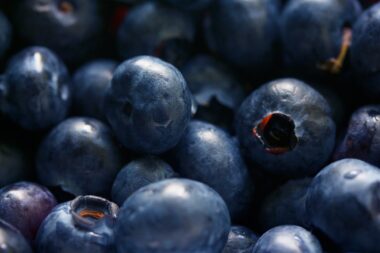
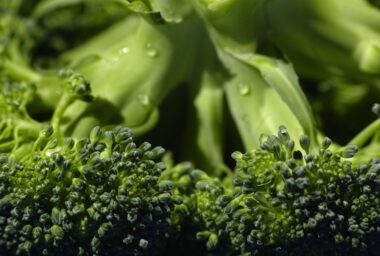
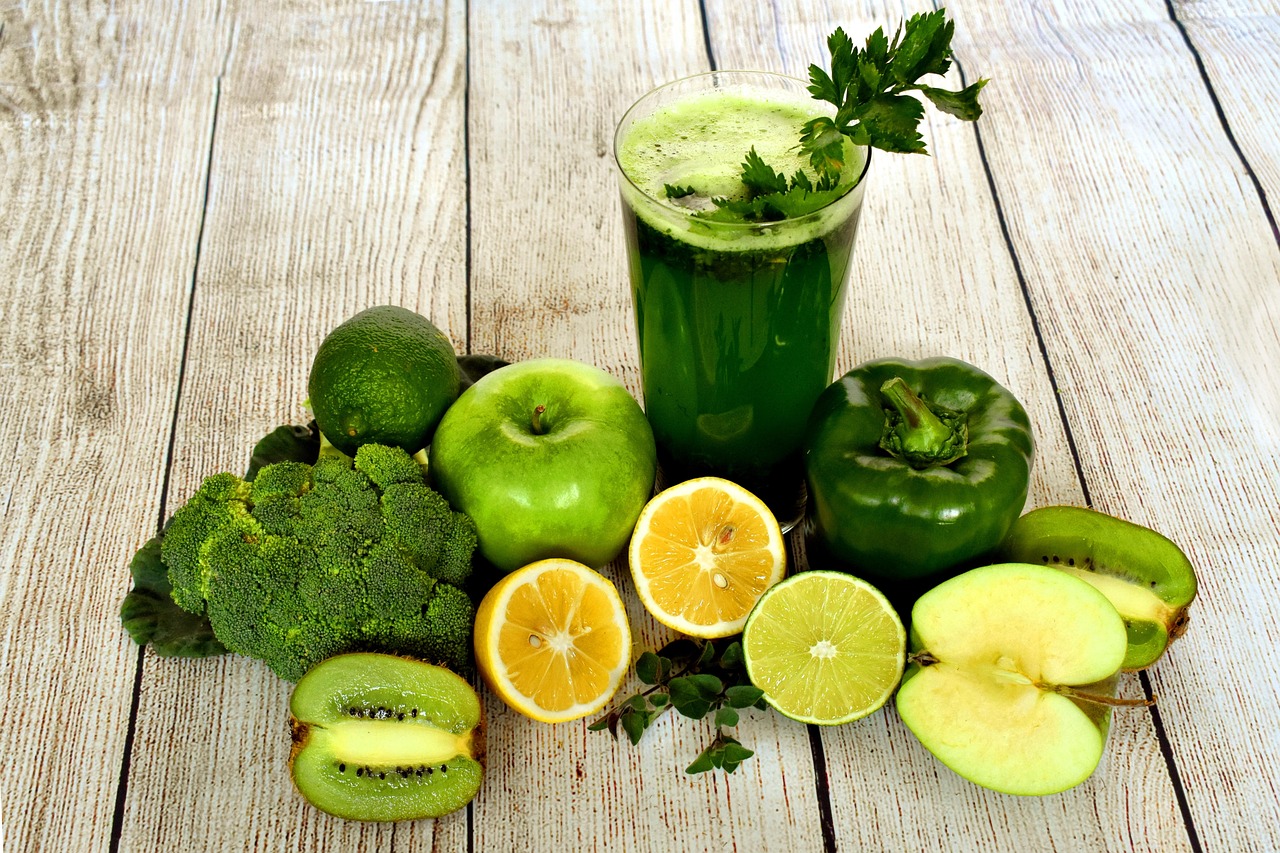
Several natural foods are abundant in antioxidants, providing athletes with a sustainable way to increase their intake. Berries such as blueberries, strawberries, and raspberries are rich in flavonoids, which are powerful antioxidants. These fruits can be easily added to post-workout meals like smoothies or yogurt parfaits. Dark chocolate, known for its rich antioxidant content, can be enjoyed in moderation to further benefit recovery. Additionally, vitamins A, C, and E are widely found in vegetables such as carrots, bell peppers, and leafy greens. Incorporating these colorful foods into meals not only enhances antioxidant intake but also adds to the flavor and enjoyment. Moreover, nuts and seeds like walnuts and sunflower seeds contribute healthy fats alongside antioxidants. Green tea is another excellent source, providing catechins that support overall health and recovery. These foods not only bolster antioxidant levels but also offer additional nutrients essential for overall performance. Athletes should endeavor to create diverse and resourceful meal options to optimize their training. Furthermore, a colorful plate often indicates a rich antioxidant profile, enhancing culinary satisfaction.
In addition to whole foods, many athletes choose to use supplements for a concentrated dose of antioxidants. While whole foods should be prioritized, certain supplements can address specific nutritional gaps, especially during intense training periods. Common antioxidant supplements include vitamin C, vitamin E, astaxanthin, and coenzyme Q10. These supplements can provide built-in support for muscle recovery and may enhance performance during training. Research has shown potential benefits of such supplements in reducing muscle soreness and improving recovery times. However, athletes should approach supplementation with caution, ensuring they are not consuming excessive amounts. Consulting with a medical professional or nutritionist can help clarify the proper supplementation strategies. By aligning antioxidant supplementation with whole food sources, athletes can enhance their recovery strategy holistically. Optimal dose timing, particularly right before or after workouts, can amplify the effectiveness of these supplements. Balancing both food and supplement strategies ensures proper antioxidant intake, ultimately promoting muscle recovery. This diligent approach can lead to improved workouts, performance consistency, and enhanced long-term wellness for athletes.
Conclusion: Maximizing Benefits of Antioxidants
Maximizing the benefits of antioxidants involves a comprehensive understanding of their role in sports nutrition. By integrating a variety of antioxidant-rich foods into the post-workout routine, athletes can significantly enhance recovery. These foods help combat oxidative stress and can positively impact protein synthesis, essential for muscle repair and growth. Planning meals around whole, colorful foods such as fruits, vegetables, and nuts ensures a well-rounded antioxidant intake. Monitoring one’s diet can be instrumental in sustaining consistent performance levels, especially during prolonged training phases. Furthermore, athletes should remain aware of how their body responds to different antioxidant sources, adjusting as necessary. Although supplements can offer additional benefits, they should complement a strong foundation of whole food consumption. Therefore, focusing on natural sources offers significant advantages while promoting overall health. This understanding allows athletes to make informed decisions that will lead to prolonged success in their sports careers. Resultantly, embracing antioxidants as part of a regular nutrition strategy can enhance physical performance, mitigate fatigue, and ultimately enhance the enjoyment of training and competing.
Antioxidants can also improve recovery rates and reduce muscle breakdown. This aspect is critical for athletes who seek maximum performance without risking fatigue or injury. Their multi-faceted roles contribute to overall health, allowing athletes to push their limits safely. Thus, embracing a diet rich in antioxidants is not merely a trend but a necessity for those serious about their fitness journey. Ultimately, by equipping their bodies with antioxidants through strategic nutrition, athletes can work towards their goals more effectively.