
How to Choose the Best Fitness Tracker for Your Lifestyle
Choosing the right fitness tracker can greatly enhance your health journey. With many available options, it’s essential to identify which features matter most to you. Begin by assessing your personal fitness goals. Are you primarily focused on weight loss, or are you aiming for improved endurance? Different trackers provide unique tracking abilities. For instance, if you run often, select one with excellent GPS capability. If you prioritize heart health, a tracker with continuous heart rate monitoring is beneficial. Furthermore, gather feedback from consumers and read reviews to find popular models. Researching can save you from making a poor investment. Consider your everyday activities as well. If you’re very active, a waterproof tracker might be necessary for swimming or intense workouts. Moreover, think about ease of use; some trackers offer complicated interfaces that can be frustrating. The design and comfort level are also fundamental aspects; a wearable should feel comfortable on your wrist, especially during strenuous activities. Ultimately, it’s about finding a balance between function and comfort that aligns with your lifestyle to ensure long-term satisfaction with your choice.
One of the vital factors to consider when choosing a fitness tracker is battery life. Extensive use of features such as heart rate tracking, GPS, and notifications can deplete battery life quickly. Look for models that boast longer battery life if you’re active throughout the day or intend to use them during sleep for better sleep monitoring. Additionally, research how long the device takes to fully recharge. This can be an inconvenience if you frequently need to recharge your device. Next, remember the importance of compatibility with your smartphone. A fitness tracker that seamlessly integrates with your phone’s app can significantly enhance user experience. Check if the app is user-friendly and offers comprehensive analytics to monitor your progress effectively. Compatibility could impact the overall functionality of the tracker, so don’t overlook this aspect. Many fitness trackers sync data to popular fitness apps, providing a broader view of your health. Lastly, consider the price, as trackers can range significantly in cost. Set a budget before you start shopping, and stay within that limit while exploring all your options. Compare different brands for the best features for your money.
Feature Set and Tracking Accuracy
Acknowledging the specific features is crucial when selecting a fitness tracker. Features directly impact how you use the device and what data it can provide. Consider whether you want basic tracking, like step count and calorie burn, or more advanced features such as blood oxygen level monitoring. Various models cater to numerous sports and activities; ensure that your chosen tracker can adequately support your exercise regimen. Accuracy is pivotal for a fitness tracker, primarily if you rely on data for motivation or health evaluations. Look for reviews focusing on how accurate various trackers are in measuring heart rate, distance, and calorie expenditure. Many brands publish accuracy results, so scrutinizing these claims can help guide your decision. Additionally, think about customization; some trackers allow users to personalize settings or add programs tailored to specific workouts. This can enhance the tracking experience, making it more effective in achieving individual fitness goals. Optimize your investment by selecting a tracker with features that will remain relevant as your fitness level progresses. Trackers with broader capabilities can support long-term usage and ensure you’re getting the best value.
Another critical component is data visualization. This refers to how the fitness tracker presents data to the user, affecting usability and engagement. A user-friendly app is essential for keeping detailed track of stats over time. Graphs and visual representations can motivate users by showing progress clearly. Look for trackers that provide easy access to both real-time and summary data, allowing you to analyze trends. While data is essential, how the information is conveyed can make a difference in your motivation levels. Additionally, consider social features that some trackers offer, such as challenges with friends or community forums. These features can foster motivation and accountability, enhancing your enjoyment of the fitness process. If community engagement is important to you, seek out fitness trackers with social features built into their applications. This can make working toward fitness goals more engaging and fun. Tracking achievements can be rewarding, creating a sense of accomplishment. Embrace options with notifications; motivating messages can encourage you to meet daily targets. Ultimately, your ability to interpret the data generated from your fitness tracker can significantly influence how you integrate it into your daily life.
Durability and Design Considerations
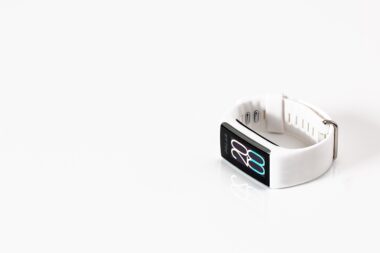
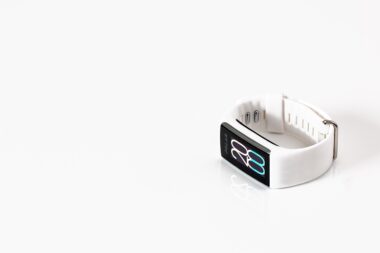
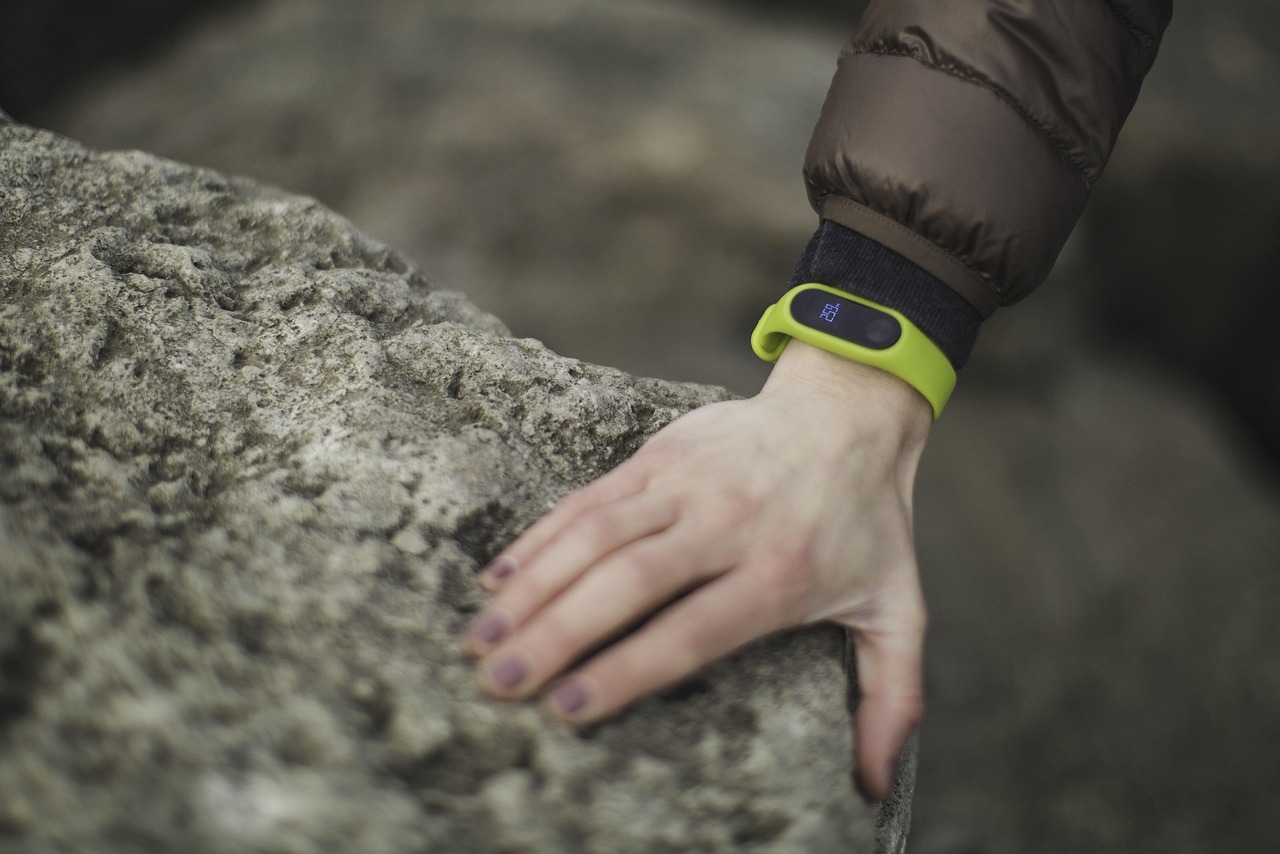
The design and durability of a fitness tracker play significant roles in its overall satisfaction. If you’re active, a robust design that withstands physical stress is paramount. Many fitness trackers are crafted from materials engineered to endure rigorous workouts, water exposure, and everyday wear. Investigating the warranty offered by the manufacturer can also provide insight into the product’s durability. A good warranty may indicate that the company has confidence in their product’s longevity. Moreover, styles vary; while some models are slim and sleek, others may be bulkier. Assess your aesthetic preferences to ensure you will regularly wear the device. After all, a fitness tracker is an accessory you will have against your skin. Additionally, customizable bands or aesthetic options can enhance personal expression. Consider factors like size and adjustability; an ill-fitting band can cause discomfort and hinder usage. Check reviews for insights into users’ experiences related to comfort during extended use. The tracker should feel like a natural extension, enhancing your active lifestyle instead of feeling obtrusive. Choose according to what reflects your tastes and physical needs to enhance your experience with the device.
When you’re narrowing down choices, customer reviews and expert opinions can provide essential insights. While manufacturers often declare their products’ strengths, user experiences can reveal strengths or weaknesses not initially apparent. Seek out reputable review sites or customer feedback on popular retail platforms. Look for recurring themes in reviews that may indicate potential issues or triumphs with specific models. Understanding how others experience a product helps in making informed decisions. Additionally, consider trying out several models in-store. Many retailers offer hands-on opportunities to see ergonomic fit and features first-hand. Testing devices can reveal how easily features operate and whether the interface feels user-friendly. Always ensure that whichever model you choose allows for essential function with minimal hassle. Talk to fitness enthusiasts to hear firsthand about their favorite devices. Their recommendations can sometimes reveal lesser-known features or hidden gems in the marketplace. Engaging in forums or social media groups can also uncover valuable insights regarding newer trackers. Navigating your potential purchase by leveraging community responses can ultimately lead to a well-informed choice.
Final Thoughts on Choosing a Fitness Tracker
As you finalize your decision, consider how the tracker aligns with both short-term and long-term fitness aspirations. Will it encourage you to pursue your goals actively? How does it fit with your lifestyle? After conducting thorough research and evaluating various features, prioritizing how a fitness tracker will serve your unique needs is crucial. Remember, consistency in wear and usage will maximize the benefits of your tracker. The right choice can significantly impact how you perceive your fitness journey, transforming it into an enjoyable experience rather than a burden. Take the time to select wisely, and you may enhance your motivation, ultimately leading to improved health outcomes. Whether it’s encouraging daily movement, tracking calories burned, or monitoring heart rates while running, a quality tracker can be a powerful companion in achieving your fitness objectives. When in doubt, remember to set personal criteria before making any purchase. The perfect fitness tracker should resonate with your lifestyle, providing functionality, comfort, and technical savvy that aligns with your goals. Embrace the empowerment that comes with being well-informed and ready to take action on your health journey.
In conclusion, investing in the right fitness tracker can truly elevate your health and fitness experience. Evaluate your needs and preferences, and match them to the right tracker features to ensure optimal alignment. The effort you put into selecting your fitness tracker can pay off significantly in improved performance, motivation, and overall well-being. If you consider all the products available in the market, having a clear idea of what works best for your lifestyle can make all the difference. Whether the priority is on budget, brand loyalty, or particular functionalities, align those decisions closely with your fitness objectives. As you integrate tracking into your daily routine, the benefits will reveal themselves. Remember that a great tracker is more than just a gadget; it’s a tool for growth beyond just numbers. Sharing experiences with other users can enrich your journey. Moreover, leveraging the data gathered can help identify patterns you might wish to change or improve. Consider this journey to be about progress and learning rather than a destination. Embrace the path to wellness with enthusiasm and an informed approach, as your lifestyle deserves utmost attention and commitment.