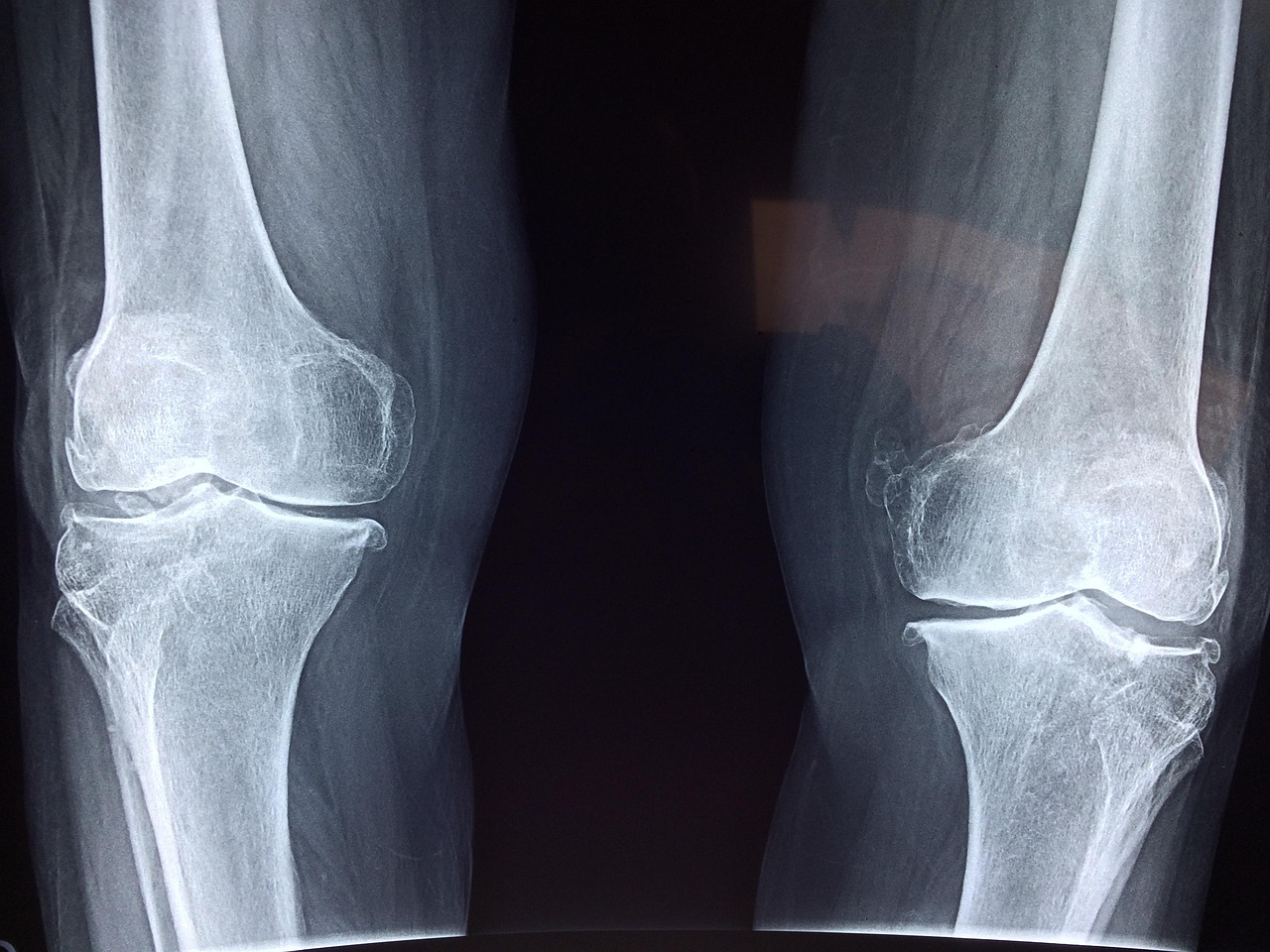

The Impact of Cycling Fitness on Joint Health
Cycling fitness is increasingly recognized as a crucial element for maintaining joint health in people of all ages. As a low-impact exercise, cycling minimizes stress on the joints while allowing for an effective cardiovascular workout. Engaging in regular cycling can lead to enhanced joint mobility, improved muscle strength around the joints, and overall stability. Furthermore, maintaining a fitness routine that includes cycling can help prevent degenerative joint diseases, such as osteoarthritis. This condition results from wear and tear on the cartilage, and cycling’s gentle nature assists in reducing this deterioration. It is vital to ensure that your bike is properly fitted to your body to avoid discomfort or injury. Additionally, varying the intensity of your cycling sessions can further strengthen muscles that support joint function. With proper cycling techniques and an appropriate regimen, individuals can enjoy the many benefits of this activity without the looming threat of joint pain. Apart from the health benefits, cycling offers an enjoyable way to explore the outdoors or commute. Combining these factors, cycling undeniably plays a significant role in promoting long-term joint health.
In addition to physical benefits, cycling instills a sense of community and encouragement among individuals. Many people choose to join cycling clubs or engage in group rides, providing social interaction and motivation to maintain a consistent regime. Participating in these group activities can enhance accountability, making it easier to commit and follow through on fitness goals. Moreover, cycling is accessible for various fitness levels; beginners can start on flat terrain while advanced riders can challenge themselves with steep hills and long distances. Notably, group rides often offer different pace options, allowing everyone to find a suitable match. Conversely, cycling can also be a solo activity—a chance to clear your mind while maintaining fitness. In both formats, the experience not only contributes to physical well-being but also nurtures mental health. The release of endorphins during a bike ride can improve mood and reduce anxiety levels. So, whether in solitude on a quiet path or alongside friends during a group event, cycling creates opportunities for connection and emotional relief, further enhancing its reputation for promoting not just physical fitness, but overall health.
Benefits of Cycling for Joint Health
Cycling contributes positively to joint health primarily through its low-impact nature. Regular cycling helps fortify the muscles surrounding the joints, which can mitigate the risk of injury. Strengthened muscles provide better support to the joints, resulting in increased stability and decreased pain during various activities. Additionally, cycling increases synovial fluid production, which lubricates joints, allowing for smoother, pain-free movement. This is particularly beneficial for older adults and those with pre-existing joint conditions. Another significant benefit of cycling is the improved range of motion it promotes. As cyclists pedal, they engage in a fluid motion that helps maintain or improve flexibility in the legs, hips, and knees. By encouraging a full range of motion, cycling assists in combating stiffness and pain often associated with joint issues. Moreover, the cardiovascular workout obtained from cycling is beneficial for maintaining a healthy weight, which is crucial for reducing undue stress on the lower body joints. For anyone looking to enhance their joint health while enjoying physical activity, cycling is an excellent, holistic choice to consider incorporating into their routine.
Cycling also offers mental health benefits that can indirectly impact joint health. The act of cycling itself releases endorphins, commonly known as the “feel-good” hormones, which can elevate mood and reduce stress levels. Persistent stress and anxiety can lead to physical tension and increased sensitivity to pain, especially in individuals with existing joint issues. By reducing stress through regular cycling, one can experience a decrease in pain perception and a heightened tolerance for discomfort. Furthermore, developing a consistent cycling routine can enrich one’s daily life. When individuals set and achieve fitness goals, it fosters a sense of accomplishment and builds confidence. This positive attitude can create a fulfilling loop, motivating them to maintain their cycling regimen and actively care for their bodies. Importantly, longer rides often allow for reflection and mindfulness, encouraging mental relaxation. Thus, not only does regular cycling promote physical endurance, but it also nourishes emotional well-being. In this way, the benefits of cycling extend beyond the physical, creating a positive impact on overall joint health and enhancing quality of life in myriad ways.
Safety Tips for Cycling
While cycling is a beneficial exercise, adhering to safety guidelines is essential to maximize its advantages while minimizing risks. One prominent tip is always to wear a properly fitted helmet; it greatly reduces the risk of head injury in case of falls or accidents. Riders should also consider having their bikes regularly serviced, as a well-maintained bike performs better and reduces the chances of mechanical failure. Additionally, cyclists should be aware of traffic rules and ride defensively to avoid collisions with vehicles. Staying visible is crucial, especially during dawn or dusk. Wearing bright clothing and using lights on the bike are practical safety measures. Furthermore, ensuring that all components of the bike, such as brakes and gears, are in good working order can make cycling safer and smoother. Consider taking a cycling safety course to educate oneself on best practices and emergency measures. By following these safety tips, cyclists can enjoy their rides with confidence, focusing on the fitness benefits while effectively safeguarding their health. Ultimately, ensuring safety enhances the overall experience, ensuring you can keep reaping the rewards of this impactful exercise for years to come.
Lastly, the benefits of cycling fitness on joint health extend to its affordability and accessibility in comparison to other forms of fitness. Cycling can be enjoyed by a wide range of age groups and individuals, regardless of experience levels. Many community programs promote cycling, offering classes and resources for beginners. With an initial investment in a suitable bike, people can enjoy outdoor cycling for years, making it a sustainable fitness option. Moreover, stationary biking provides an alternative for indoor workouts, allowing individuals to exercise regardless of weather conditions. This flexibility ensures that maintaining a routine is achievable, making it easier to prioritize joint health consistently. Notably, cycling equipment can often be found at reasonable prices, and many second-hand bikes are still in excellent condition. Participating in local cycling events can foster a spirit of competition and provide further motivational boosts. Ultimately, embracing a cycling fitness routine presents tangible benefits to joint health and promotes an engaging lifestyle that can lead to improved overall physical and mental well-being. Therefore, integrating cycling into your life is not just about fitness; it is a pathway to healthier living.
Conclusion: Embrace Cycling for Joint Health
In conclusion, cycling fitness can have profound positive effects on joint health for individuals of all ages. By providing a low-impact workout, increasing flexibility, and strengthening surrounding muscles, cycling acts as a pivotal element in joint care. The mental health benefits also enhance its appeal; cultivating a beneficial relationship with physical activity can lead to improved emotional stability. For those looking to adopt cycling into their fitness regimen, it’s important to begin gradually, ensuring proper bike fit and adherence to safety measures. As individuals progress and discover the joy of riding, they can explore varied terrains and distances, dynamically engaging with their environment while maintaining their health. Supported by consistent group activities or solo rides, cyclists can create a balanced routine that emphasizes fitness and camaraderie. Thus, for anyone seeking a meaningful way to improve joint health and enjoy overall fitness benefits, cycling has proven to be a rewarding pursuit. Ultimately, integrating cycling into one’s life paves the way for enhanced joint health and a fulfilling, engaged lifestyle that looks after both body and mind.