
Using Bodyweight Exercises for Fat Loss and Muscle Maintenance
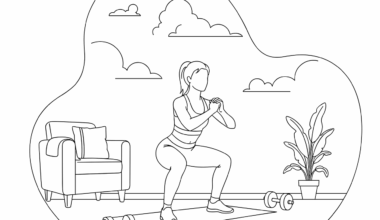
Bodyweight exercises have become increasingly popular among fitness enthusiasts. They offer numerous benefits for both fat loss and muscle maintenance. These exercises rely solely on your body weight, requiring little to no equipment, making them accessible for almost anyone. Moreover, they can be performed anywhere, whether at home, in the gym, or outdoors. One remarkable benefit is the efficiency they provide; you can achieve a full-body workout without needing heavy weights. Bodyweight workouts can torch calories and help maintain muscle mass, which is vital for metabolism. Activities like push-ups, pull-ups, and squats are versatile, engaging multiple muscle groups effectively. Additionally, bodyweight exercises enhance functional strength and improve your range of motion. Are there risks involved? Like any exercise routine, there is a potential for injury if performed incorrectly. However, using proper form can minimize this risk greatly. Incorporating progressive overload is also essential; you can increase intensity by adjusting the angle, duration, or repetitions. With consistency and proper nutrition, bodyweight exercises can lead to excellent results in fat loss and muscle retention. It’s a practical approach that many individuals can adopt with ease.
To optimize your bodyweight workouts for fat loss, incorporating high-intensity elements is crucial. High-intensity interval training (HIIT) has gained attention for its effectiveness in burning fat while preserving muscle. By alternating between short bursts of intense activity and brief periods of rest, you can elevate your heart rate significantly. This method increases calorie burn, not only during the workout but also post-exercise. Pairing exercises like burpees or jump squats in circuits can keep your metabolism elevated. A practical routine might consist of alternating between push-ups, squats, and high knees within timed intervals. Monitoring your heart rate can help you find the ideal intensity to push your limits safely. Additionally, consider incorporating compound movements like lunges or dips to engage multiple muscle groups simultaneously. Another essential element is rest; giving your body adequate time to recover is vital for muscle repair and growth. Make strategic use of rest days to support recovery and enhance overall performance. With dedication and the right strategy, you can maximize your efforts to achieve your fitness goals. This approach not only strengthens your muscles but helps manage body fat effectively while maintaining a lean physique.
The Role of Nutrition in Bodyweight Training
A proper nutrition plan complements your bodyweight workout routine, significantly impacting your results. Consuming a balanced diet rich in proteins, carbohydrates, and healthy fats is vital for building and maintaining muscle. Proteins play an essential role, aiding in muscle repair and growth after workouts. Including sources such as chicken, fish, beans, and legumes can enhance your muscle-building efforts. Carbohydrates provide the energy needed to fuel your workouts, especially during high-intensity sessions. Opt for complex carbs like whole grains and vegetables to promote sustained energy levels. Healthy fats should not be overlooked; they support hormonal balance and provide necessary nutrients. Monitor your calorie intake to ensure you are in a deficit for fat loss or a surplus for muscle gain, depending on your specific goals. Hydration also plays a crucial role in performance and recovery, making water consumption essential. Convenient meal prep can support your nutrition goals, ensuring that healthy options are readily available. By focusing on nutrition alongside bodyweight training, you increase the potential for positive outcomes as your body responds effectively to the combined efforts.
Incorporating a variety of bodyweight exercises into your routine can prevent boredom and plateaus. Many individuals may find themselves stuck in a monotonous pattern, leading to frustration or lack of progress. Including diverse movements not only keeps your workouts engaging but also targets different muscle groups. For instance, transitioning from traditional push-ups to decline or diamond push-ups can provide new challenges for your chest and arm muscles. Similarly, varying your squat techniques, such as side squats, jump squats, or pistol squats, adds variety while enhancing leg strength and stability. Resistance bands can augment the effectiveness of bodyweight exercises, introducing a new level of intensity without weights. These bands can be integrated into exercises such as banded squats or push-ups for added resistance. Listening to your body is crucial; if an exercise feels too easy, explore more advanced variations. Additionally, integrating movement patterns that mimic daily activities can enhance functional strength. Whether it’s climbing stairs or reaching overhead, functional training will pay off in everyday life. This variety is vital, not just physically but also mentally, to maintain motivation on your fitness journey.
Tracking Progress Effectively
When employing bodyweight exercises for fat loss and muscle maintenance, tracking your progress is key to staying motivated. There are various methods of monitoring your achievements, which can help you evaluate your efforts over time. One effective approach is to keep a fitness journal, noting the details of your workouts, including exercises, repetitions, and sets completed. This will help you stay accountable to your routine while identifying areas for improvement. Additionally, taking progress photos can visually illustrate your body transformations, motivating you to continue working hard. Consider measuring your body composition using body fat calipers or smart scales; tracking fat loss versus muscle retention allows for a comprehensive understanding of your achievements. Setting short-term and long-term goals can provide structure for your fitness journey. Celebrate milestones, no matter how small, to foster positive reinforcement and maintain enthusiasm. Sharing your experiences with friends or on social platforms can create a support network that helps keep you accountable. Ultimately, staying dedicated to tracking progress will guide you to achieving sustainable and lasting results.
To enhance muscle maintenance while losing fat, emphasizing recovery is important. Overtraining can lead to injuries and hinder progress, so adhering to proper recovery practices is crucial for longevity. Allowing muscles to rest and repair facilitates the growth process and prevents burnout. Techniques such as foam rolling and stretching can relieve tightness and enhance flexibility. Prioritize sleep quality; inadequate rest can hamper recovery, affecting energy levels and overall performance. Aim for 7-9 hours of quality sleep each night to promote optimal recovery and hormone regulation. Furthermore, consider active recovery days that involve lower-intensity activities like walking, yoga, or deep stretching exercises. These practices help blood flow to muscles and promote healing. Incorporating rest days within your workout routine contributes to avoiding fatigue and burnout while fostering an environment conducive to muscle growth. Mindfulness practices such as meditation can also improve mental clarity and stress management, ultimately contributing to better recovery. Devoting attention to recovery not only enhances your body’s performance but ensures that your workouts remain enjoyable and maintainable over the long term.
The Power of Community in Fitness
Engaging with a fitness community can significantly boost your motivation and accountability. Surrounding yourself with like-minded individuals encourages consistency and fosters a positive atmosphere, enhancing your fitness journey. Joining local workout groups, online fitness forums, or social media platforms creates opportunities for support sharing. Through these networks, you can exchange tips on bodyweight exercises while hearing others’ journeys can provide fresh insights. Participating in challenges or group workouts encourages camaraderie and fun, making it easier to stay committed to your fitness goals. Even virtual challenges can serve as effective motivators, pushing you to surpass personal limits while working toward common objectives. Recognizing milestones achieved within a community reinforces progress, boosting overall spirits. Many individuals benefit from having a workout buddy; not only does it hold you accountable, but it also creates shared experiences that make workouts more enjoyable. Furthermore, attending community-based fitness events or workshops introduces novel training techniques, allowing you to expand your skill set. In the pursuit of fat loss and muscle maintenance, finding a supportive community can lead to lasting success and build friendships along the way, making the journey more fulfilling.
In summary, bodyweight exercises offer an adaptable and effective approach to fat loss and muscle maintenance. By focusing on form, progression, and incorporating high-intensity workouts, you can achieve impressive results without expensive equipment. Supporting your routine with proper nutrition is essential in serving your fitness goals; this combined effort leads to healthy, sustainable changes. Remember to listen to your body, ensuring adequate recovery and embracing a variety of exercises to keep the experience fresh and engaging. Tracking progress through performance logs, photos, and engaging with supportive communities can provide motivation throughout your journey. Ultimately, bodyweight training is a highly flexible option that can adapt to individual needs, making it suitable for a wide range of fitness enthusiasts. It allows you to optimize your workout sessions while losing fat and maintaining muscle effectively. Whether you are a novice or experienced athlete, bodyweight exercises can deliver results if approached with dedication. It’s essential to remain patient and consistent; the body transforms gradually, and each step taken brings you closer to your ultimate fitness goals. Together, these strategies create a holistic approach to fitness that fosters both physical and mental well-being.