
How Poor Form Impacts Your Weightlifting Progress
Weightlifting is an exceptional activity that requires precision and focus. However, many individuals often overlook the critical aspects of maintaining correct form during their workouts. Poor form can lead to a host of issues, including injuries and diminished performance. For those aiming to improve their weightlifting skills, understanding and identifying common mistakes is vital. Recognizing improper techniques early on can significantly enhance your weightlifting experience and results. This knowledge not only supports your health but also fosters a sustainable workout routine. Establishing good habits from the beginning ensures that you develop strength without incurring injuries. Moreover, the correct form allows you to maximize your efficiency. Remember, it is not just about lifting as much weight as possible; proper techniques lay the foundation for long-term success. Consequently, weightlifters need to prioritize education around form and technique. By investing time in learning proper techniques, you ultimately save time in recovery times caused by injuries. When dedicating energy to perfecting your form, the benefits will manifest in your overall advancement in weightlifting workouts. Lastly, keep in mind that small adjustments can cause significant improvements.
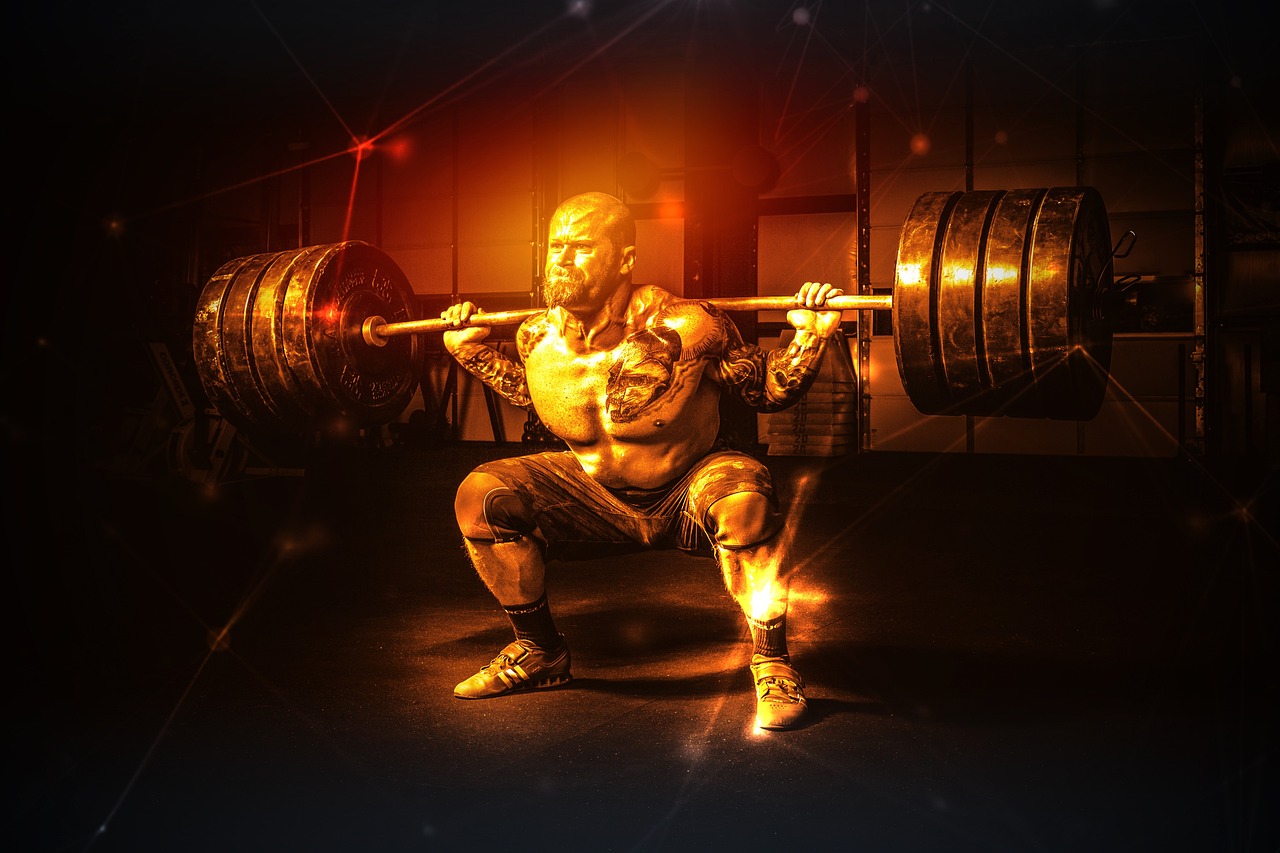
Many novice lifters commonly commit errors when performing basic movements due to negligence or lack of understanding. A prevalent issue arises from improper squat technique, which can have dire implications. Lifting with an arched back or allowing knees to slide inward can significantly damage your structure over time. Instead, maintaining proper squat form involves keeping the back straight, chest up, and knees in line with toes. Another frequent misstep occurs during the deadlift, where many individuals forget to engage their core. Failing to brace the core can lead to spinal injuries and overall weakness during the lift. Proper deadlifting technique entails lowering the hips while keeping the spine neutral and engaging your back muscles. It’s also crucial to avoid using your arms to lift; rather, focus on driving through your heels. Overhead lifts, like the shoulder press, also present challenges; incorrect form can lead to shoulder injuries. Ensure you use a grip that feels comfortable and supports your elbows beneath the wrist. Learning to utilize your legs while pressing will aid in reducing shoulder strain while ensuring safety in your execution. Correction of these common mistakes will yield transformative results in progress.
The Role of Equipment in Maintaining Proper Form
Using appropriate and correctly adjusted equipment is essential when striving for optimal weightlifting performance. When individuals neglect to adjust or select the right gear, they increase the risk of injury significantly. For instance, utilizing shoes that lack adequate support or have an unsuitable fit can greatly affect stability, potentially impacting your overall performance negatively. Weightlifting shoes, specifically designed with a firm sole, enhance balance and offer better footing during a lift. In addition, resistance bands and weightlifting belts can provide essential support when used properly. Resistance bands can help develop technique by offering assistance or resistance during certain movements, allowing for better form practice. On the other hand, belts can provide valuable bracing for the core during heavy lifts, improving technique and stability. However, relying too heavily on such equipment may lead to improper muscle engagements over time. Therefore, it’s essential to gradually incorporate supportive items as your lifting technique improves and performing movements without assistance should be the goal whenever possible. In doing so, you’ll cultivate a solid foundation that benefits your stamina and strength long term.
Nutrition and recovery are often overlooked factors that greatly impact weightlifting performance. Many lifters are preoccupied with technique but neglect their dietary needs, which can directly affect their physical abilities and recoveries. Proper nutrition fuels the body, allowing for higher energy levels during workouts and quicker recovery times afterward. Consuming adequate protein and carbohydrates post-workout is essential to repair muscles, enhance endurance, and build strength effectively. Furthermore, hydration should be a primary concern; dehydration compromises performance and can lead to serious injuries. Alongside nutrition, recovery times are crucial for progress in weightlifting. Ensuring an ample amount of rest and conducting proper recovery techniques such as stretching or foam rolling prepares muscles for the next session. Additionally, sleep plays a considerable role in muscle recovery and overall hormonal balance. Not prioritizing sleep may hinder your progress, making your well-deserved gains elusive. Stress management also contributes to recovery quality. Engaging in activities like mindfulness or yoga can significantly improve mental health, creating a conducive environment for physical gains through improved focus, commitment, and adherence to training programs that emphasize sound techniques.
Engaging a Professional Trainer
One of the most effective ways to enhance your weightlifting skills is by engaging with a professional trainer. Personal trainers possess specialized knowledge that can help identify and correct mistakes in your technique. They offer personalized instruction tailored to your specific needs, ensuring you focus on mastering proper form for each lift. Moreover, a trainer can gradually introduce you to progressive overload principles, which are essential for increasing strength without compromising your safety. Utilizing a professional trainer for weightlifting eliminates guesswork; you’ll receive feedback that makes refining your techniques more efficient. In addition, trainers can provide valuable insight into workout programming aimed at targeting specific muscle groups while managing fatigue. They continuously assess your performance to prevent plateauing and guide you back on track when necessary. Additionally, this relationship fosters accountability, encouraging you to consistently show up for workouts. Hence, the benefits extend beyond just physical improvement; engaging a professional also enriches your knowledge base about weightlifting techniques. Ultimately, investing in coaching aids in cultivating qualities that lead to sustainable progress, positive attitudes toward weightlifting, and heightened enjoyment in your fitness journey.
As you progress in your weightlifting journey, tracking your improvements becomes increasingly important. Keeping records of your workouts can provide valuable insights into patterns that lead to successes and setbacks. Notably, regularly documenting items such as weights lifted, rep counts, and form observations, allows you to visualize your advancements systematically. Evaluation of your progress enhances motivation and enables you to recognize any prevailing technique flaws that may have escaped your attention. With this understanding, adjustments can be made to ensure your form continuously evolves and becomes more efficient. Additionally, tracking can foster knowledge retention surrounding your workout routines, providing clarity about which methods yield real results. A well-documented history also aids in evaluating how nutrition and recovery practices influence performance, making comprehensive assessments possible. This analytics approach allows you to pinpoint what’s working best and where improvement is needed. Furthermore, tracking boosts accountability; it becomes an extra layer of commitment to your fitness journey. Over time, maintaining these records can enhance your focus on strategies aimed at achieving strength goals, while simultaneously ensuring that form remains a priority throughout all stages of your weightlifting experience.
Conclusion: Prioritizing Technique for Long-term Success
In conclusion, prioritizing correct form and technique is vital for weightlifting success. As discussed throughout this article, maintaining proper form is crucial in avoiding injuries, improving strength, and ensuring longevity in your fitness journey. Through educating yourself about common mistakes, utilizing appropriate equipment, and incorporating the advice of professionals, you position yourself for unyielding progress. It’s equally essential to embrace recovery strategies along with sound nutrition practices to facilitate optimal performance. The commitment to understanding weightlifting techniques pays off significantly; through determination and diligence, you empower yourself to reach new heights. Every small improvement will contribute to your overall success. Achieving a sustainable weightlifting experience involves continuously evaluating techniques and expanding knowledge in training. Never underestimate the power of proper form, as it determines the efficiency of each workout performed. Embracing this commitment will result in a more rewarding experience in weightlifting, enhancing mental resilience and physical capacities alike. Remember that perfection is an ongoing process; consistently working on your form leads to progressive improvements over time. Therefore, embark on your weightlifting journey with this principle in mind to experience its full benefits and enjoy lasting gains.
The journey to mastering weightlifting is one that intertwines discipline, education, and perseverance. Every aspect mentioned contributes to developing exceptional weightlifting habits. When you embrace proper techniques while remaining committed to your overall fitness routine, the progress will follow. Allow patience to guide your practice, providing latitude while correcting mistakes along the way. In doing so, you’ll unlock your potential, transforming your strength and capabilities to exceed expectations. Engaging with knowledgeable professionals, consistently evaluating techniques, and focusing on personal growth means investing in a future where weightlifting becomes more than just a physical activity. Instead, it evolves into an enjoyable journey of empowerment, ultimately enriching one’s well-being and mental fortitude. Hence, aim to shift your mindset by prioritizing knowledge and technique over brute force, leading to greater rewards in time spent lifting. Celebrate each gain, no matter how small, as valuable stepping stones toward achieving bigger results. Reflect regularly on your goals and progress to cultivate ongoing motivation and focus. When correct form is valued, every lift will transform into an opportunity to advance and develop into stronger versions of oneself.