
Understanding Contraindications of Pilates in Physical Therapy
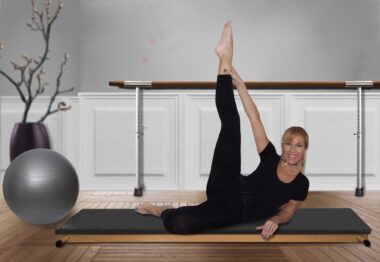
Pilates is a popular exercise regime that strengthens the core and improves flexibility. It offers numerous benefits for physical therapy patients, but certain contraindications exist. Understanding these contraindications is vital for safely incorporating Pilates into rehabilitation routines. Some patients may have conditions such as osteoporosis, pregnancy, or severe arthritis, which necessitate modifications or alternative exercises. Both practitioners and patients should collaborate to assess risks and ensure Pilates is a suitable activity. For example, individuals with osteoporosis might require lower-impact exercises and adjustments to avoid strain on their bones. Furthermore, an assessment by a medical professional may provide insights into specific needs and limitations. It’s essential to adapt movements to each patient’s level of ability while maintaining the fundamental principles of Pilates. In conjunction with professional guidance, patients can enjoy enhanced strength, stability, and posture through tailored Pilates sessions. By recognizing contraindications and applying necessary adjustments, patients can experience the benefits without jeopardizing their health. Adapting Pilates exercises not only promotes physical healing but also fosters a sense of empowerment and accomplishment during the rehabilitation process.
Recognizing Key Contraindications
When practicing Pilates within a physical therapy context, recognizing key contraindications is crucial. Certain medical conditions inherently pose risks during Pilates workouts. For instance, patients diagnosed with specific cardiovascular issues must avoid exercises that put undue pressure on the heart. Activities involving extreme exertion or rapid changes in position can exacerbate their condition. Similarly, individuals with serious respiratory conditions like COPD may find certain Pilates moves challenging. Modifications to exercises can help accommodate these patients safely. Another consideration involves patients recovering from orthopedic surgeries, such as knee or hip replacements. In these scenarios, certain positions may cause discomfort or hinder recovery. Physical therapists should conduct thorough evaluations and develop personalized plans to ensure safe participation. Utilizing props, such as blocks or straps, can facilitate better alignment and comfort during sessions. A well-rounded Pilates practice promotes flexibility, balance, and strength while considering individual limitations. By continuously monitoring patient responses during workouts, therapists can adjust programs accordingly. This careful approach emphasizes the importance of well-structured programs that harness Pilates’ benefits while prioritizing safety for patients recovering from injuries and surgeries.
Another critical aspect involves thoroughly educating patients about the Pilates techniques that may not serve them well during rehabilitation. Many clients are enthusiastic about participating and may inadvertently push themselves too hard during sessions. Clear communication about limitations ensures or fosters a realistic understanding of their capabilities. This process strengthens the therapeutic bond between patient and therapist while promoting trust and cooperation. Furthermore, utilizing visual aids, such as diagrams and videos, can significantly enhance patients’ comprehension of proper techniques. These resources can reinforce the importance of safety and promote awareness of contraindications. For instance, showing a patient how to correctly execute a modification for an exercise lets them visualize the adjustments needed to protect themselves. Moreover, engaging patients in discussions about their experiences can promote an open dialogue about comfort levels and concerns. Gathering feedback is essential to making the necessary modifications. Educating clients regarding their limitations fosters empowerment, helping them take responsibility for their rehabilitation journey. Ultimately, knowledge is a powerful tool for preventing potential injuries and optimizing the effectiveness of Pilates as a tool in physical therapy.
Impact of Professional Guidance
The role of professional guidance cannot be overstated when integrating Pilates into physical therapy programs. Skilled practitioners are equipped to recognize contraindications and recommend appropriate modifications that cater to individual needs. They can assess patients’ conditions and create tailored exercise regimens promoting gains in functional mobility. For instance, therapists can introduce gentle Pilates movements that activate specific muscle groups without inducing pain or discomfort. Understanding basic anatomy and body mechanics is essential for professionals in this practice. Moreover, encouraging patients to express their feelings during sessions allows practitioners to fine-tune exercises ensuring efficacy. In turn, this collaborative relationship fosters a sense of trust between the patient and practitioner. Education regarding expected outcomes, both positive and negative, empowers patients and encourages their commitment. A focus on open communication leads to greater patient satisfaction and improved results through consistent application of Pilates principles. Furthermore, incorporating teamwork with other healthcare providers ensures a holistic approach to patient care. By sharing insights and resources, practitioners can further enrich Pilates experience while keeping contraindications in mind. Ultimately, professional guidance serves as a foundation for a safely integrated Pilates practice in physical therapy.
In assessing contraindications, awareness of individual patient differences is vital for effective Pilates integration. Age, fitness level, and pre-existing conditions significantly influence how patients respond to Pilates exercises. Older adults, for instance, may require additional supervision and modified movements to ensure their safety. Similarly, those with limited mobility or strength could struggle with standard Pilates poses designed for more advanced practitioners. Addressing these differences in a systematic manner allows therapists to create customized plans that accommodate various groups of patients. Understanding and respecting a patient’s unique circumstances helps build a therapeutic alliance that enhances their experience and encourages trust. Similarly, considering cultural differences in body mechanics and movement perception can lead to more satisfactory outcomes. It may also be beneficial to assess previous exercise experience or include surveys about patient familiarity with Pilates. Gathering this information permits skilled practitioners to tailor programs according to diverse backgrounds. Implementing culturally sensitive practices encourages overall patient satisfaction while maximizing engagement. Adopting a weighted approach to these variables lays a solid foundation for strengthening the benefits of Pilates while minimizing potential risks during the rehabilitation process.
Building a Personalized Program
Establishing a personalized Pilates program focusing on patient needs is imperative for effective physical therapy. Designing individualized sessions accounts for contraindications while maximizing the benefits of Pilates principles. Therapists should begin with comprehensive evaluations, gathering essential information on medical history, physical capabilities, and personal goals. Based on this information, practitioners can select appropriate exercises that align with patients’ interests and abilities. By fostering a collaborative environment, both patients and therapists contribute ideas and share feedback throughout the program. For instance, offering options for different equipment can help patients feel more comfortable exploring their limits. Additionally, incorporating various exercises can maintain motivation and enhance engagement while adhering to safety guidelines. Gathering regular feedback from patients can inform necessary adjustments or enhancements to their programs. Monitoring progress continually can also help assess whether contraindications remain relevant. This approach ensures the ongoing efficacy of Pilates as a tool for recovery. Beyond improving physical capabilities, personalized programs cultivate a sense of empowerment and control during rehabilitation. Patients can take ownership of their journey while benefiting from adapting Pilates principles targeted towards their unique circumstances and goals, paving the path for improved physical health and well-being.
Finally, continual evaluation of Pilates methods and outcomes is necessary to ensure lasting benefits for patients in physical therapy. Practitioners should regularly assess the effectiveness of incorporated exercises, determining whether patients progress toward their goals while monitoring their safety. This evaluation may include tracking improvements in strength, flexibility, and functionality while considering patients’ feedback about discomfort or pain. Should any concerns arise, adaptations to programs must be considered promptly. Additionally, documenting outcomes provides valuable insights into each patient’s journey and experiences during their Pilates practice. Collecting data can aid practitioners in identifying trends or patterns tied to specific contraindications, ultimately refining exercise protocols. Moreover, reinforcing patient education about recognizing their limits empowers them to communicate feedback consistently. This not only prevents injuries but also encourages proactive engagement. Ultimately, ongoing evaluation fosters a culture of learning and improvement, not only for individual patients but also for practitioners. Continuous assessments lay the groundwork for refining Pilates applications within physical therapy and can enhance techniques utilized progressively, achieving optimal patient outcomes while maintaining safety and well-being throughout rehabilitation journeys.