
Mastering the Plank: A Yoga Core Strengthener
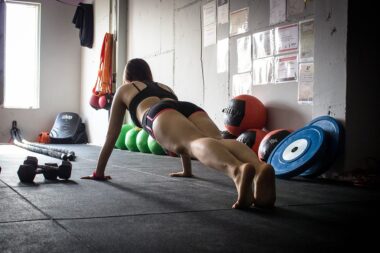
Core strengthening is an essential aspect of any fitness routine, particularly for yoga practitioners. The plank pose, or Phalakasana, is an effective way to build core strength and stability in your body. This pose engages multiple muscle groups, including the abdominal muscles, lower back, and shoulders. To perform the plank, begin in a push-up position with your arms straight. Ensure your body forms a straight line from your head to your heels. Activate the core by drawing your navel toward your spine. Holding this position not only enhances abdominal strength but also builds endurance. Practicing the plank regularly can lead to improved posture and overall balance, which are crucial for deeper yoga poses. Additionally, incorporating variations of the plank can challenge different muscle groups and keep your practice dynamic. It’s important to focus on proper form and breathing while in the plank, as this maximizes its benefits. Practicing regularly will help you gain stability and strength, ensuring better performance in all yoga poses. Ultimately, mastering the plank can contribute greatly to your overall yoga journey.
How to Perform the Plank Correctly
When practicing the plank, pay attention to your alignment and form. Begin by getting into a push-up position, placing your hands directly beneath your shoulders. Make sure your feet are hip-width apart to enhance stability. Keep your legs engaged and your body in a straight line from head to heels throughout the pose. Avoid sagging your hips or raising them too high, as this can lead to strain and ineffective exercise. Ensure your neck remains neutral by looking slightly forward. To increase the challenge, try lifting one leg at a time while maintaining your core engagement. Holding the pose for 30 seconds to a minute initially is an excellent goal, gradually increasing your time as you grow stronger. Focus on your breath, inhaling deeply through your nose and exhaling through your mouth. Mindfulness in breath allows for a greater connection between body and mind. Remember, quality over quantity: this holds true in maintaining proper form over the length of time you hold the pose. By following these guidelines, you’ll build a strong foundation for your yoga practice.
To further enhance your plank practice, consider adopting various plank variations. Side planks, forearm planks, and plank twists are fantastic options to diversify your workout and target different muscle groups. Side planks engage your obliques, helping develop a well-rounded core, while forearm planks challenge your stability further. To perform a side plank, shift your weight onto one arm, stacking your feet on top of each other or placing one in front of the other for stability. Keeping your body aligned from head to heels is crucial. The plank twist involves rotating your torso to bring your hips toward the ground while maintaining the plank position. This variation engages both the core and the arms, providing a more dynamic workout. Remember, engaging the pelvic floor and the glutes can significantly enhance your overall strength during these variations. Exploring these different planks will not only strengthen your core but also contribute to overall limb strength and flexibility. As you master each variation, you will move confidently through various yoga poses that require a strong core foundation.
The Benefits of Plank Pose in Yoga
Incorporating the plank pose into your yoga practice offers numerous benefits beyond core strength. First and foremost, the pose significantly improves stability and balance, which are critical for executing many other poses. With enhanced core strength, you may find maintaining a strong foundation in poses like Warrior or Tree much easier. Additionally, plank pose strengthens the shoulders, wrists, and back, promoting better alignment and reducing the risk of injury during your practice. By actively engaging multiple muscle groups, you also improve overall endurance, making your yoga experience richer and more effective. Furthermore, holding the plank encourages mental focus, as maintaining the pose requires both physical and mental discipline. This focus extends beyond the mat and can positively influence daily life by improving concentration and mental resilience. Regular practice of plank also aids in enhancing posture, as it fosters awareness of alignment and body mechanics. Therefore, incorporating plank regularly can transform your yoga practice by incorporating more strength and mindfulness, which is especially crucial for intermediate and advanced practitioners. By mastering this foundational pose, you’ll notice a remarkable difference in your overall yoga performance.
There are several modifications you can use to adapt the plank pose for your individual abilities and needs. If you find the full plank challenging, starting with your knees on the ground can provide a stable alternative. This modification allows you to build strength without overexerting yourself. Be sure to maintain the straight line from head to knees to maximize effectiveness. Alternatively, practice the high plank or low plank on your forearms to explore different avenues of challenge and engagement. These modifications allow varying degrees of core activation, so you can choose based on your current level of strength and stability. As you build strength, work toward transitioning to the traditional plank for a more comprehensive workout. Regularly performing these adaptations will allow you to be equipped to progress gracefully into more challenging poses. Consulting with a yoga instructor can also help tailor your practice to your specific needs while ensuring safe and effective form. By incorporating these modifications, you’ll feel more empowered in your core strengthening journey and better connected to your body during your sessions.
Setting Goals for Your Plank Practice
Setting realistic goals for your plank practice is essential for progression and motivation. Start by defining clear and achievable targets, such as holding the plank for 30 seconds for a week, then gradually increasing by 10 seconds weekly. Documenting your results, such as your hold times and any variations practiced, can foster a sense of achievement and accountability. Explore incorporating different plank variations or adding dynamic movements like plank jacks to keep your routine fresh. Setting clear milestones allows you to gauge your progress effectively and stay motivated through tangible achievements. Additionally, consider practicing in front of a mirror or filming yourself to analyze your form. This will provide insight into necessary adjustments and improvements over time. Engaging with online yoga communities or social media platforms can also offer motivation and accountability. By sharing your goals and achievements, you connect with like-minded individuals on a similar journey. Ultimately, setting realistic and progressive goals will facilitate your core strengthening through plank practice while making the journey enjoyable and fulfilling. Remember that consistency, combined with goal-setting, is key to successful progress.
Integrating the plank pose into your daily routine can lead to powerful results, both in yoga practice and daily life. Finding moments throughout the day to practice can enhance your core strength effectively. Consider performing planks during commercial breaks, or include them in your warm-up before workouts. Inserting shorter holds into your busy day can help solidify your commitment to core strengthening. Beyond physical strength, regular plank practice promotes mental resilience, enhancing focus and reducing stress. The grounding nature of the plank allows for mindfulness, serving as an anchor amidst everyday chaos. In addition to benefiting physical health, strengthening your core can have a crucial impact on daily safety, promoting proper lifting techniques and body mechanics. This awareness can help prevent injuries in both structured activities and daily tasks. Explore creative ways to incorporate planks into your exercises, whether at the gym, in your home, or at work. By recognizing the numerous advantages of integrating the plank into your everyday life, you can cultivate a strong core, leading to enhanced performance in fitness and daily activities. The commitment to this simple pose can result in remarkable transformation.