
Understanding the Connection Between Balance and Motor Control
Balance is a crucial aspect of human movement and is intrinsically linked to motor control. Maintaining stability involves the brain, muscles, and sensory systems working in concert to facilitate movement. Coordination of these systems allows for fluid effectiveness when undertaking both routine and complex tasks. Enhancing motor skills, therefore, is partly about developing better balance. The significance of improving balance can be observed in various physical activities, such as sports and dance. In addition to physical pursuits, good balance aids in daily living, from simply walking to engaging in more demanding tasks. Balancing exercises improve agility, strength, and endurance, which can significantly impact overall fitness. Many activities, like yoga or tai chi, specifically enhance balance, which in turn stimulates coordination. Developing these skills can have profound implications, not only for athletes but also for individuals of all ages. Focusing on balance provides a comprehensive approach to improving motor skills, promoting a healthier lifestyle, and reducing the risk of falls, especially in older adults. Thus, investing time in balance training benefits both physical performance and overall safety in daily life.
The Role of Balance in Every Activity
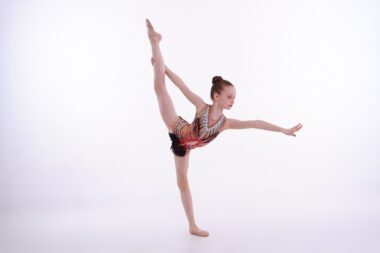
Every activity we perform demands a certain level of balance and coordination, highlighting their interrelatedness and importance. Both balance and motor control serve as foundational components for executing movements effectively, no matter the context. Athletes require exceptional balance to fine-tune their performance in sports, such as gymnastics and skiing. In these disciplines, even a slight loss of balance can lead to significant errors or injuries. Consequently, improving balance can elevate one’s performance and significantly reduce injury risk. This principle also extends to rehabilitation—individuals recovering from injuries benefit tremendously from balance training as it helps restore functional movements. Furthermore, incorporating activities that promote balance into everyday routines can enhance one’s quality of life. Stability training exercises—such as standing on one leg or using a balance board—can strengthen the core and improve posture over time. As balance education becomes increasingly emphasized in health guidelines, individuals are encouraged to integrate it into their fitness regimens. Consequently, by prioritizing balance, one not only hones motor skills but also bolsters overall well-being and functionality in various life pursuits.
Improving Balance through Specific Exercises
Specific exercises focused on enhancing balance can play a pivotal role in developing motor skills. Numerous types of exercises exist that target balance effectively, including dynamic and static activities. Practices such as yoga, Pilates, and tai chi are exceptionally beneficial as they emphasize awareness of one’s body and movement, creating a robust foundation for improved motor control. Engaging in these practices regularly can significantly elevate one’s sense of balance. Additionally, various strength training exercises specifically aim to enhance balance by working muscle groups that stabilize the body. For instance, squats and lunges require one to control the center of gravity, resulting in better coordination over time. Balance-related exercises can also be integrated into daily life by challenging oneself through simple tasks like walking on uneven surfaces or performing heel-to-toe walking. Moreover, it is vital to tailor exercises to individual fitness levels, gradually increasing intensity as balance improves. By integrating a variety of balance exercises into a fitness routine, individuals can achieve optimal motor control. Ultimately, the path to improved balance is achievable and opens doors to better physical performance.
Neurological Aspects of Balance
Understanding the connection between balance and motor skills requires a look into the neurological aspects involved. Balance relies heavily on the central nervous system (CNS) for processing sensory information, sending signals to various body parts to maintain stability. The vestibular system, located in the inner ear, plays a critical role in detecting changes in head position and motion. These inputs, combined with visual and proprioceptive feedback, inform motor control decisions. Consequently, motor skills like reaching, grasping, or walking involve intricate coordination of numerous muscles and joint movements. Additionally, the integration of sensory feedback is essential for adapting to varying environments, promoting the development of balance over time. Neurological pathways involved in these processes can be strengthened and enhanced through consistent practice and exposure to challenging balance tasks. Cognitive factors also contribute to balance. Individuals must focus and remain aware of their bodies within space to make necessary adjustments proactively. Thus improving balance and coordination incorporates both physical exercises and mental engagement, fostering a well-rounded approach toward enhancing motor skills and developing superior performance in various activities.
Incorporating Balance Training into a Routine
Incorporating balance training into a fitness routine can enhance overall coordination and motor skills. Many individuals may overlook balance training, focusing instead on strength or cardio workouts. However, dedicating specific training time to balancing exercises will yield remarkable benefits in functional movement and physical performance. It is essential to remain consistent by scheduling regular training sessions focused around balance activities throughout the week. Beginners can start by engaging in simple balance exercises, gradually increasing complexity as proficiency improves. For instance, individuals might initiate balance training on solid ground before progressing to unstable surfaces, such as BOSU balls or wobble boards. Furthermore, one can combine balance exercises with strength training by incorporating resistance bands or weights. The multifunctional advantage of balance training lies in its ability to target numerous muscle groups simultaneously while improving stability. Additionally, group classes and partner workouts can provide motivation and support, making the training more enjoyable. Overall, by seamlessly integrating balance training into a standard workout regimen, individuals foster the development of essential motor skills crucial for daily activities and sports performance.
Fun Activities to Enhance Balance
Engaging in fun activities that promote balance can be an effective way to improve motor skills while enjoying the process. Participating in engaging sports, such as skateboarding or rollerblading, can challenge one’s balance in an exhilarating manner. These activities demand constant adjustments in body position, stimulating the development of muscle coordination and stability. Furthermore, games that require agility, such as hopscotch or obstacle courses, also serve as effective tools for developing balance. Social interactions can make these activities enjoyable and encourage individuals to challenge themselves more effectively. Dance classes, another excellent avenue for enhancing balance, combine rhythm and coordination that promote body awareness. Essentially, by making balance training enjoyable, individuals are more likely to stick with it long-term. It’s essential to choose activities that align with personal interests, as that fosters greater engagement. Emphasizing the social aspect can also enhance commitment and motivation to improve. Thus, by integrating enjoyable activities into daily routines, individuals can significantly enhance their balance and coordination without feeling like they’re engaging in a workout. These experiences create a holistic approach to improving motor skills.
Measuring Progress in Balance and Motor Skills
Measuring progress in balance and motor skills development is essential in determining effectiveness and maintaining motivation. Conducting assessments at regular intervals enables individuals to identify improvements, address challenges, and establish new goals. Recognizing standard balance tests, such as the single-leg stance test or the Y balance test, can provide quantifiable data for tracking progress. These assessments often allow individuals to gauge their stability across multiple dimensions and adjust training focus accordingly. Additionally, using subjective measures, such as the perceived difficulty of specific tasks, can offer valuable insights into personal improvements. As strength and balance develop, individuals can increase the complexity of tasks or challenge themselves with new activities. Keeping a training log can also help visualize improvements over time. Establishing a strong foundation in balance can contribute significantly to enhancing motor skills, enabling greater proficiency in sports and daily tasks. Furthermore, celebrating small milestones and accomplishments fosters a positive attitude toward training, motivating individuals to continue pursuing balance-related goals. Overall, employing a structured approach to measuring progress is vital to supporting the journey of balance and motor skill enhancement.
Conclusion: The Importance of Balance and Motor Skills
In conclusion, the importance of balance and motor skills cannot be overstated. These skills are foundational not only for athletic performance but also for ensuring safety and functionality in everyday life. As explored, balance plays a vital role in facilitating smooth and coordinated movements across various activities. Improving balance through targeted exercises, fun activities, and consistent training is essential for unlocking one’s potential. By prioritizing balance training, individuals not only enhance their motor skills but also reduce their risk of injury and foster overall well-being. Integrating balance and coordination exercises into daily routines sets a strong foundation for a healthier lifestyle. Moving beyond traditional strength and endurance training allows individuals to develop a holistic approach to fitness. The correlation between balance, motor control, and neurological aspects underscores their significance. Consequently, as one embarks on the journey to improve balance, they will inevitably notice growth in motor skills while enjoying remarkable benefits. Ultimately, the connection between balance and motor skills profoundly impacts the quality of life, thus warranting attention and dedication to continuous improvement.