
How to Incorporate Pilates Into Your Physical Therapy Practice
Integrating Pilates into a physical therapy practice can offer immense benefits in rehabilitation and wellness. Pilates is particularly effective for improving core strength, flexibility, and body awareness. Notably, these aspects align closely with therapeutic goals in physical therapy. To start incorporating Pilates, professionals should first familiarize themselves with the fundamentals of Pilates exercises. Understanding principles like concentration, control, and precision is crucial. Consider collaborating with certified Pilates instructors to enhance your practice. They can provide insights that help tailor exercises to meet specific patient needs while ensuring safety. Tailoring Pilates-based activities for various conditions such as back pain, post-rehabilitation, or limited mobility can lead to effective outcomes. Using the reformer and mat can diversify exercises for diverse needs. Furthermore, monitoring patient progress regularly is vital; this allows therapists to adjust the Pilates regimen as necessary. Documentation of improvements can further encourage patient engagement. Additionally, incorporate educational materials emphasizing the advantages of Pilates. By doing this, you can foster a supportive environment where patients feel empowered during recovery.
Patient assessments play a critical role in successfully integrating Pilates into therapy. By conducting thorough evaluations, therapists can identify specific movement limitations and abilities. Assessments enable the creation of personalized plans that consider patient history and limitations. For those new to Pilates, providing modifications is essential for safety and effectiveness. Encourage clients to set realistic goals that focus on both strength and mobility, tailoring Pilates sessions to prioritize these objectives. Using props like resistance bands or stability balls can help adapt exercises further. Also, maintaining open communication with clients is important for fostering trust and understanding throughout therapy. Addressing concerns about potential discomfort or difficulty with certain exercises is key. As capacity increases, gradually progress clients through more complex movements and challenges. Beyond the physical benefits, incorporating mindfulness and breathing techniques familiar in Pilates can help clients relax and focus on proper movement patterns. Furthermore, showcase success stories among your patients who have benefited from Pilates. Such testimonials serve to inspire new clients and encourage adherence to prescribed exercises, ensuring a more thorough recovery process.
Creating a Pilates-Inspired Environment
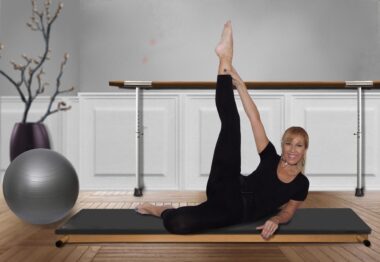
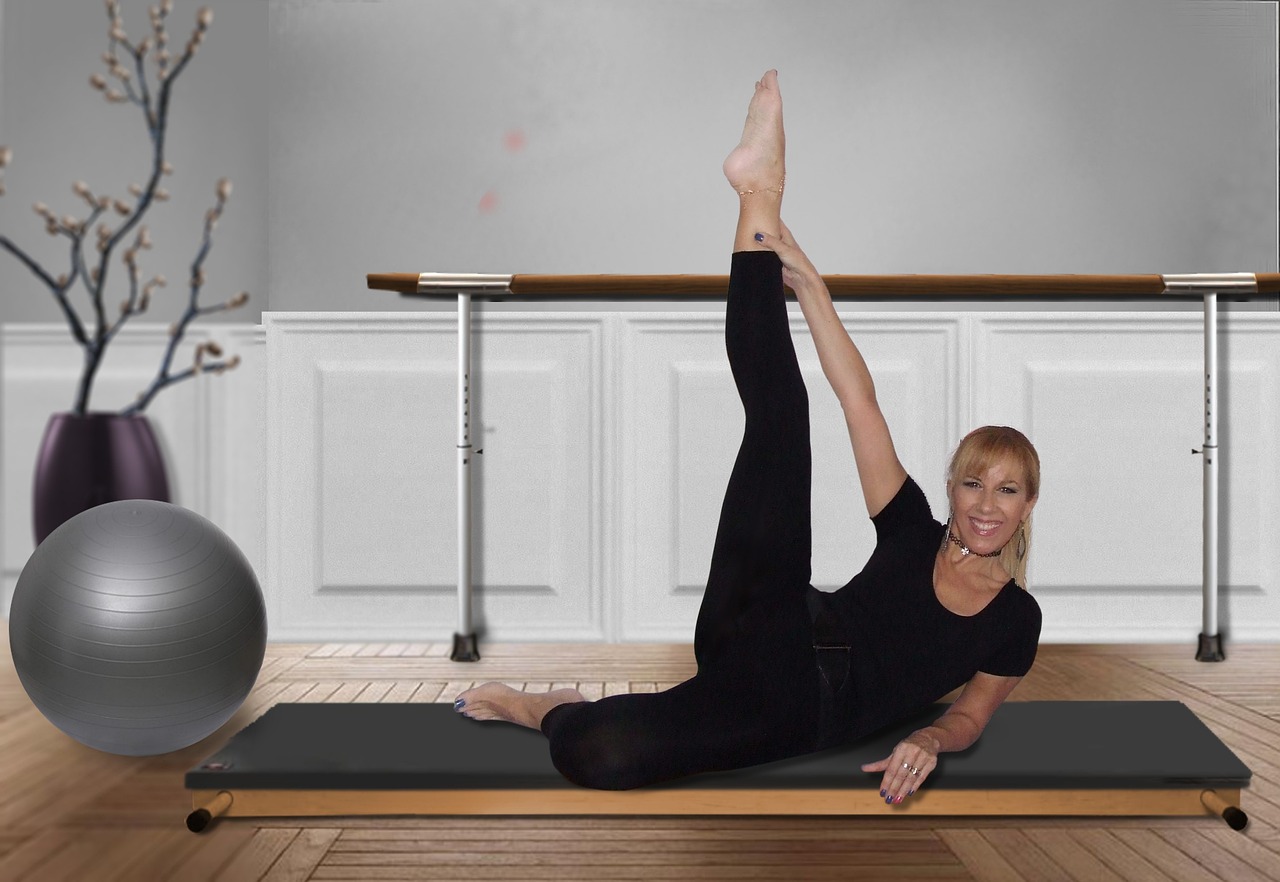
Establishing an inviting space dedicated to Pilates can enhance the physical therapy experience. A pleasing environment fosters motivation and encourages patients to engage fully with their rehabilitation process. Consider investing in appropriate equipment such as mats, reformers, and other small props. It’s beneficial to maintain an uncluttered and serene studio atmosphere that reflects relaxation and focus. Incorporating natural elements, such as plants, can evoke a calming ambiance, enhancing the Pilates practice. Additionally, consider using mirrors, which provide immediate feedback on posture and form during exercises. This can significantly support learning and self-correction. Furthermore, ensure that the practice space remains accessible and safe for all patients. Each session should include sufficient space for movement to accommodate various exercises appropriately. Sounds and visual aids can also contribute to a positive experience; soft music or ambient nature sounds may enhance focus. Offering options for mat-based and equipment-based Pilates allows flexibility in choosing what works best for clients. A well-designed space promotes a sense of community, encouraging patients to engage with one another and share their experiences.
Incorporating Pilates into physical therapy requires ongoing education and professional development. Therapists can enhance their knowledge by pursuing specialized training in Pilates for rehabilitation. This additional expertise allows therapists to effectively integrate Pilates techniques into their existing practice. Attending workshops or certification programs that focus on Pilates for physical therapy can prove invaluable. They enable therapists to learn about the latest research and innovative techniques in the field. Additionally, connecting with a network of rehabilitation professionals can share best practices and successful case studies. Engaging in discussions at conferences or online forums can lead to new insights, helping therapists improve their applications of Pilates. Moreover, it is essential to stay updated on the evolving landscape of both physical therapy and Pilates methodologies. Continuing education ensures therapists maintain a high level of expertise and adaptability with their treatment strategies. Commit to a lifelong learning approach, fostering an open mindset among peers and collaborating with other professionals. This continuous refinement of skills not only strengthens individual practices but also benefits clients through improved outcomes and innovative therapeutic approaches.
The Role of Assessment in Pilates Practice Integration
Comprehensive assessments enhance the integration of Pilates in therapy by providing personalized data. These evaluations form the starting point for developing tailored Pilates regimens. By understanding each patient’s unique situation, therapists can identify precise limitations and adapt exercises accordingly. Regularly scheduled assessments should take place throughout therapy, allowing progress tracking and adjustments as necessary. This iterative process aims to keep clients engaged while optimizing rehabilitation outcomes. Implement ongoing reassessments as an essential aspect and consider using specific assessments for measuring flexibility, strength, and balance. These measures can illustrate the effectiveness of Pilates interventions. Moreover, record patient feedback to identify their comfort levels and potential challenges. Utilize this information to adjust engagement strategies, ensuring that exercises remain relevant and supportive. When patients see tangible improvements, whether in pain management or mobility, it builds trust and encourages adherence to the treatment plan. Furthermore, encourage clients to articulate goals based on their assessments, creating a collaborative approach that fosters ongoing communication. Engage clients in their recovery, ensuring they feel active in their healing journey, thereby strengthening the therapeutic alliance.
Communication is fundamental to effectively integrate Pilates into physical therapy practice. Establishing strong lines of dialogue with patients can enhance their understanding of the benefits and expectations regarding Pilates exercises. Therapists must articulate how Pilates can contribute to their rehabilitation journey, focusing on specific goals and achievements. Equally essential is addressing potential misconceptions about Pilates and discussing safety concerns with clients. Allow time for questions during sessions, fostering an inclusive atmosphere that values patient feedback. Additionally, creating informative patient materials, like brochures or handouts, can supplement verbal communication. These materials should outline the benefits of Pilates and suggest exercises tailored towards various conditions. Incorporating visual aids, such as diagrams or QR codes linking to video demonstrations, can help reinforce understanding. Regularly soliciting feedback can reveal patient experiences through their unique perspectives and help improve individualized plans. Building rapport enhances adherence, as clients who feel understood and motivated are likely to engage more fully in their therapy. Establish supportive group sessions or workshops centered around Pilates, encouraging interaction and shared experiences between clients, promoting personal connections and community within recovery journeys.
Measuring Success and Outcomes
Monitoring and measuring the success of Pilates integration into physical therapy practice is vital for maintaining quality of care. Implementing standardized assessment tools allows practitioners to evaluate patient progress objectively and consistently. Consider utilizing outcome measures specific to strength, flexibility, and overall functional performance. Regular evaluations help therapists identify trends and adapt therapies as needed, ensuring optimal results for patients. Keep detailed records to analyze patient engagement levels and understand how unique exercises influence recovery. Conduct both qualitative and quantitative assessments to capture comprehensive patient experiences. Gathering data on pain levels, mobility improvements, and overall satisfaction can guide adjustments in the Pilates regimen. Furthermore, compile success stories to illustrate the impact of Pilates in a physical therapy context effectively. Sharing these stories can bolster motivation among current patients while attracting new ones. To maximize collective learning, conduct informal feedback sessions with colleagues, discussing what strategies effectively aid patient recovery while identifying areas for improvement. This commitment to learning and adapting strengthens the incorporation of Pilates. By capturing evidence of success, practitioners can enhance their credibility and potentially expand their influence within healthcare networks.
In conclusion, integrating Pilates into physical therapy offers a multi-dimensional approach to rehabilitation. The core principles of Pilates align seamlessly with therapeutic objectives. Emphasizing strength, flexibility, and body awareness can pave the way for improved patient outcomes. By conducting comprehensive assessments, creating supportive environments, and monitoring progress, physical therapists can effectively incorporate Pilates into their existing practice. Communication with patients remains essential to foster engagement and adherence to their customized exercise plans. Continuing education and professional development empower therapists with the knowledge needed for successful integration. To further leadership in this field, sharing experiences, and best practices among peers promotes a supportive community culture that ultimately benefits patients. The supplementation of Pilates into physical therapy not only enhances rehabilitation for existing clients but may help engage new patients seeking holistic wellness solutions. Utilizing assessment strategies, innovative workplace environments, and strategic communication, physical therapists can capitalize on the advantages of Pilates. The combination of therapy and Pilates presents an exciting opportunity for practitioners aiming to improve the quality of care they offer. Integrating these practices creates pathways to successful recovery, enabling patients to thrive in their journey towards a healthier lifestyle.