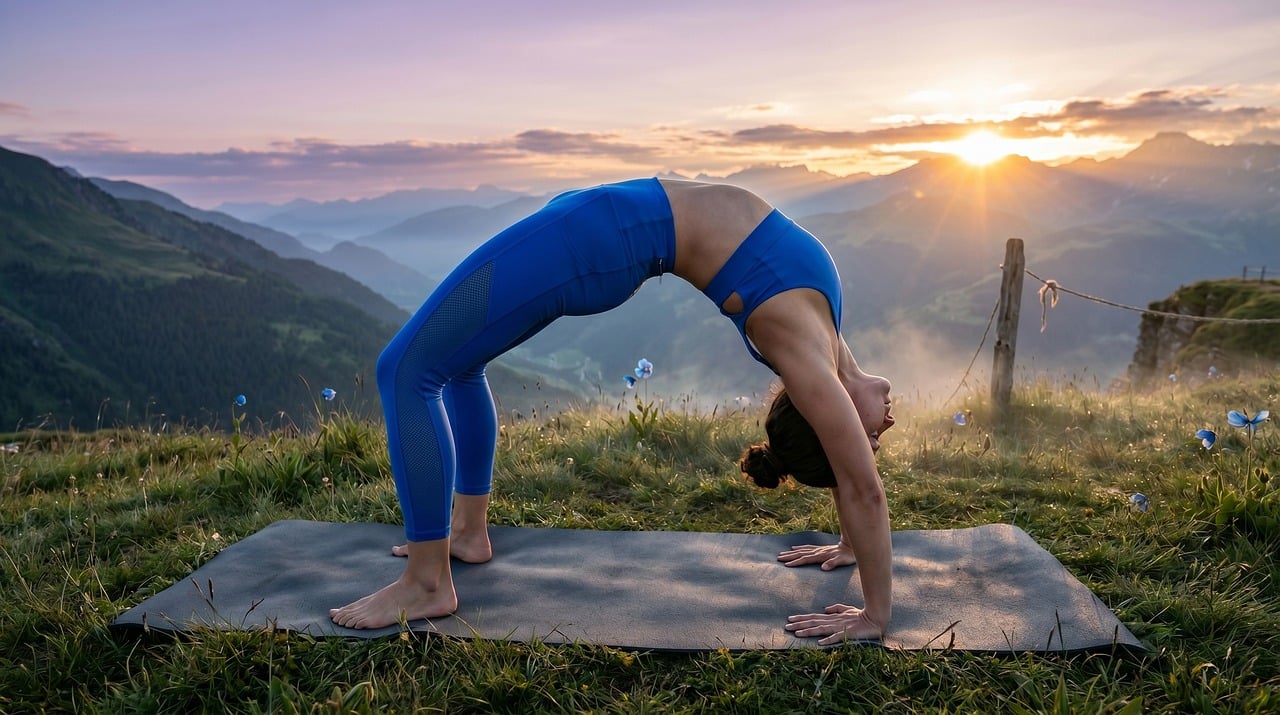

The Connection Between Flexibility and Mental Wellness in Women
Flexibility is often highlighted as a crucial component in physical fitness. It enhances performance and aids muscle recovery after strenuous workouts. However, its benefits extend far beyond physical gains, strongly influencing mental wellness, especially for women. Studies have shown that improved flexibility through various techniques like yoga, stretching, and mobility work can significantly enhance mental health. With better flexibility, women can feel more agile and less prone to injuries, resulting in increased confidence and positive self-image. When women engage in regular practices that enhance flexibility, they often experience improved mood, reduced anxiety, and enhanced emotional resilience. This holistic approach to fitness underlines the importance of integrating flexibility into a broader wellness regimen. By fostering a connection between body movement and mental clarity, women can embrace both physical and emotional well-being. In essence, promoting flexibility can transform daily life. This synergy not only addresses physical limitations but also cultivates a positive mindset, ultimately leading to a more fulfilling life. Therefore, considering flexibility as part of wellness routines is essential for the overall health of women.
In addition to physical benefits, enhancing flexibility has profound implications on mental wellness. Regular practice of flexibility exercises such as yoga, Pilates, and even simple stretching can facilitate the release of endorphins, which are chemical substances in the brain that help boost mood. When women engage in these activities, they often report feelings of calmness and reduced stress levels. This is especially vital in today’s fast-paced world, where women juggle multiple responsibilities and face various stressors. Moreover, flexibility practices emphasize mindfulness, allowing women to concentrate on their breath and body sensations, promoting higher self-awareness and presence in the moment. Increased self-awareness can lead to better emotional regulation and reduce instances of anxiety and depression. For women, this practice can significantly improve how they respond to challenges in life. By incorporating breathing strategies with flexibility work, women can harness these benefits, resulting in heightened mental clarity and focus. Therefore, approaching flexibility not just as a physical skill, but as a personal wellness tool is essential. Engaging in a routine that prioritizes flexibility ultimately encourages women to embrace holistic health.
Building on the understanding that flexibility is vital for physical health, we see its undeniable role in enhancing mental wellness. When women improve their body’s range of motion, they often find a parallel increase in their emotional freedom. This duality can be traced back to how movement influences mood and motivation. Flexibility activities can create a physical release that mirrors emotional stress relief. Essentially, the more flexible one becomes, the more resilient they may feel when facing emotional turbulence. Activities like yoga often combine physical movement with breathing techniques, fostering a sense of harmony between body and mind. This synergy can enhance the overall quality of life, making it easier to manage daily stressors. Additionally, participating in group flexibility classes can instill a sense of community, providing women with encouragement and support. Social interaction is vastly important for psychological health, as it can reduce feelings of isolation and enhance self-esteem. Women often feel empowered in shared environments, reinforcing their commitment to maintaining a flexible lifestyle. Consequently, socializing during flexibility-focused activities turns workouts into uplifting experiences.
Furthermore, flexibility practices can lead to improved sleep quality, which is a vital aspect of mental wellness. Many women struggle with sleep disturbances, often stemming from stress and physical discomfort. Engaging in regular flexibility exercises can aid in muscle relaxation, decreasing tension throughout the body and facilitating a smoother transition into sleep. Adequate sleep is inherently linked to mental health, impacting mood, cognitive performance, and emotional stability. This interplay showcases the importance of considering flexibility exercises as a foundational component of a comprehensive self-care routine. Incorporating gentle stretches before bedtime can enhance the body’s ability to unwind. This practice not only improves the quality of sleep but also helps to reduce insomnia symptoms. As women prioritize flexibility within their wellness routines, they often notice significant improvements in how they feel upon waking. This ripple effect ultimately extends to their overall mental health and resilience in facing daily challenges. By embracing a holistic approach to fitness, women can maximize both their physical capabilities and emotional well-being through the lens of flexibility practices.
To further enhance the connection between flexibility and mental health, creating a personalized flexibility routine can be key. Women should tailor their flexibility training according to their unique needs and lifestyles. This customization fosters a sense of ownership and commitment to the practice, making it more likely they will stick with it. Considering factors such as daily schedules and personal preferences is essential when designing this routine. Women can experiment with various flexibility exercises to find what feels best for their bodies. Incorporating a mix of dynamic and static stretches can maintain interest and motivation. Establishing a consistent timeframe for flexibility workouts also contributes to building a sustainable habit. With commitment, women can begin to notice gradual changes not just physically, but also in their emotional responses and mental clarity. This journey towards flexibility fosters empowerment and encourages a bevy of positive affirmations regarding body image and mental strength. As women witness their progress and improvements, they naturally feel more capable in other facets of life, demonstrating the extensive reach of flexibility practices for overall wellness.
Moreover, incorporating flexibility practices into daily life can seamlessly enhance overall well-being. Simple stretching routines can be easily integrated into morning rituals, office breaks, or evening wind-down sessions. This accessibility ensures women maintain balance amidst busy lifestyles. Performing regular stretches can provoke not just physical relief but also provide mental respite. For example, a few minutes of stretching at work can alleviate tension caused by prolonged sitting and simultaneously clear the mind, rejuvenating focus for upcoming tasks. This simple act can enhance productivity and curb burnout, creating a harmonious balance between work and personal well-being. Women may also find joy in participating in outdoor group classes, turning flexibility sessions into social events rather than isolative practices. By embracing flexibility as a part of everyday living, women prioritize their health on multiple levels, contributing to better mental clarity and emotional resilience. As a result, integrating these practices fosters a deeper connection with oneself, boosting self-esteem and confidence. Overall, this holistic approach to well-being signifies that nurturing both the body and mind is essential for a fulfilling life.
In conclusion, cultivating flexibility brings about a wealth of benefits that extend beyond the physical realm. Women can experience enhanced mental wellness through practices that prioritize flexibility and mobility. The connection between body movement and mental state becomes evident as women engage in regular flexibility training. Improved physical health leads to increased confidence and a positive self-image, which directly influences mental health. Additionally, as flexibility practices become more integrated into routines, women achieve greater emotional resilience and stress reduction. These elements come together to create a stronger sense of identity and purpose in life. The empowerment derived from these practices fosters a deeper connection to oneself, allowing women to navigate life’s challenges with grace and confidence. As flexibility becomes a priority within fitness regimens, women cultivate a more balanced approach to wellness. Ultimately, embracing flexibility is not just about making the body limber; it’s about elevating mental clarity, emotional stability, and overall quality of life. Therefore, women should actively incorporate flexibility into their daily practices to experience the profound benefits it brings on multiple levels.