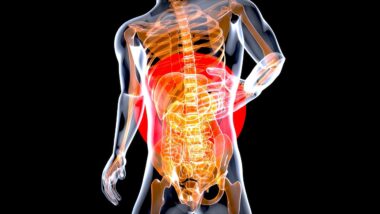

How Insulin Affects Digestive Processes
Insulin plays a crucial role in the digestive processes within the human body. It is not only known for its regulatory function in glucose metabolism but also has significant impacts on various digestive functions. Insulin helps in promoting the absorption of nutrients from the gastrointestinal tract. This intricate balance is essential for ensuring that the body effectively utilizes dietary intake. When insulin levels are functioning correctly, the digestive system operates smoothly, aiding in processes such as the breakdown of food and the absorption of essential vitamins and minerals. However, when insulin levels become imbalanced, it can lead to various digestive issues, including poor nutrient absorption and gastrointestinal discomfort. An increase in insulin levels can enhance the secretion of digestive enzymes, further supporting nutrient breakdown. Conversely, low insulin can lead to reduced enzyme production, which may hinder digestion. Maintaining a stable insulin level consequently fosters a healthier digestive tract. Understanding the correlation between insulin levels and digestive health allows healthcare professionals to address common digestive disorders through dietary and lifestyle adjustments, paving the way for improved overall health.
One of the primary methods through which insulin influences digestive health is via its impact on glucose metabolism. Elevated insulin levels often lead to more available energy for digestive processes. When the body interacts with food, glucose is released into the bloodstream, signaling the pancreas to secrete insulin. This stimulates the muscle and fat cells to absorb glucose, effectively lowering blood sugar levels. Elevated blood glucose can subsequently result in various digestive processes being delayed. A surge in glucose not only affects immediate energy availability but can also lead to feelings of lethargy. Additionally, repetitive spikes in insulin may cause the body to become resistant over time. This resistance not only decreases insulin efficiency but can also disrupt normal digestive function. Impaired insulin signaling directly correlates with an increased risk of developing conditions like diabetes, which significantly complicates digestive health. In contrast, proper insulin sensitivity enables an efficient energy release that benefits overall digestive efficiency. A balanced diet, rich in fiber and low in refined sugars, can support normal insulin levels. These dietary choices empower digestive health, promoting better absorption and utilization of essential nutrients.
The Role of Insulin in Enzyme Production
Insulin has a profound influence on the production of digestive enzymes, which are vital for breaking down carbohydrates, proteins, and fats. This enzymatic activity is critical for nutrient absorption, allowing the body to effectively utilize the food consumed. When insulin levels are optimal, the body is able to produce the right amount of digestive enzymes, ensuring that food is adequately processed in the digestive tract. Conversely, when insulin production is impaired, it can result in reduced enzyme secretion, leading to malabsorption of nutrients. This can manifest in symptoms such as bloating, gas, and diarrhea. Furthermore, studies indicate that specific digestive enzymes are regulated by insulin. For instance, insulin promotes the secretion of amylase from the pancreas, crucial for carbohydrate digestion. Insufficient insulin levels can therefore lead to a slowdown in starch digestion, resulting in higher blood sugar and gastrointestinal discomfort. This underscores the importance of balanced insulin levels not only for blood sugar control but also for maintaining optimal digestive health. To promote healthy enzyme production, it is beneficial to engage in regular physical activity, manage stress levels, and consume a balanced diet rich in micronutrients.
Additionally, insulin assists in regulating the gut microbiome, which plays a pivotal role in digestive health. A healthy gut microbiome supports the breakdown of complex carbohydrates and aids in the synthesis of essential vitamins. Insulin can foster a balanced microbiome by promoting the growth of beneficial bacteria while inhibiting harmful pathogens. Research suggests there is a bidirectional relationship between insulin and the gut microbiome. An imbalanced microbiome can lead to insulin resistance, further complicating digestive processes. Over time, poor microbiome health leads to inflammation and increases the risk of metabolic disorders. Enhancing insulin sensitivity may benefit not only blood sugar control but also overall gut health. For example, including prebiotics and probiotics in the diet can support gut flora diversity. It is essential to maintain a diet high in fiber, as fiber acts as a feeding ground for beneficial gut bacteria. Foods such as whole grains, fruits, and vegetables are excellent sources of fiber, promoting gut health while maintaining appropriate insulin levels. Ultimately, fostering a symbiotic relationship between insulin effectiveness and gut microbiome health can contribute significantly to enhancing digestive processes overall.
Impacts of Insulin Resistance on Digestion
Another critical aspect to consider is the impact of insulin resistance on digestive health. Insulin resistance occurs when the body’s cells no longer respond effectively to insulin, often leading to elevated glucose levels. This condition can create a cascade of digestive issues. When cells are resistant to insulin, glucose remains unabsorbed, causing a variety of complications. Higher blood sugar levels can affect digestive functionality, resulting in slower gastric emptying, which may manifest as bloating or discomfort. Moreover, insulin resistance can influence the gut-brain axis, affecting appetite regulation and digestion. Compromised communication between the gut and brain disrupts normal digestive signaling, causing further complications such as the development of irritable bowel syndrome (IBS). Chronic insulin resistance can lead to obesity, which is closely tied to digestive health issues. Weight gain often exacerbates conditions like acid reflux and digestive tract inflammation. It’s therefore vital for individuals struggling with these issues to address their insulin sensitivity. Weight management, through a balanced diet and regular exercise, can alleviate symptoms associated with digestive disorders, enhancing overall well-being and digestive efficiency.
Additionally, hormonal fluctuations can also impact insulin’s effect on digestive health. For example, during the menstrual cycle, varying estrogen and progesterone levels can influence insulin sensitivity. Some women may experience heightened insulin sensitivity during certain phases of their cycle, while in others, insulin resistance may be more pronounced. This hormonal fluctuation affects digestion, leading to different symptoms based on the time of the cycle. During phases of higher insulin sensitivity, digestive processes may operate more efficiently. In contrast, during phases of insulin resistance, symptoms such as bloating or cravings may become more prominent. Understanding how hormonal changes affect insulin and digestion can help women manage symptoms more effectively. Dietary modifications that align with hormonal cycles, such as increasing fiber intake during low estrogen phases, can help in managing glycemic response. Noting the cyclical nature of hormonal influence can empower women to make informed dietary choices, subsequently improving both hormonal balance and digestive health. Furthermore, consulting with healthcare professionals can offer tailored solutions to address these hormonal impacts on digestion effectively.
Conclusion
In conclusion, insulin plays a crucial role in influencing digestive health through various mechanisms. Its impact on glucose metabolism, enzyme production, and microbiome regulation establishes a foundational link between hormone balance and digestive efficiency. Maintaining optimal insulin levels isn’t just essential for controlling blood sugar; it is also vital in promoting efficient digestion and nutrient absorption. Factors such as diet, lifestyle, and hormonal fluctuations all contribute to how insulin affects digestive processes. Individuals experiencing digestive difficulties should consider their insulin sensitivity as part of the equation. Strategies to improve insulin sensitivity, like incorporating a balanced diet rich in whole foods, engaging in regular exercise, and managing stress levels, can significantly enhance digestive health. Additionally, recognizing the correlation between hormonal changes and insulin functions can assist individuals in better managing their digestive symptoms. By focusing on hormone health and its relationship to digestion, one can achieve improved gastrointestinal health and overall well-being. Future research should continue exploring these intricate relationships to develop comprehensive strategies that integrate hormonal health into digestive wellness.
Ultimately, it is essential for everyone to be mindful of how various factors can affect insulin levels and consequently influence digestive health. This awareness can lead to positive lifestyle changes that support both hormonal balance and efficient digestive processes.