
Understanding the Mind-Body Connection: An Introduction to Cognitive Behavioral Techniques
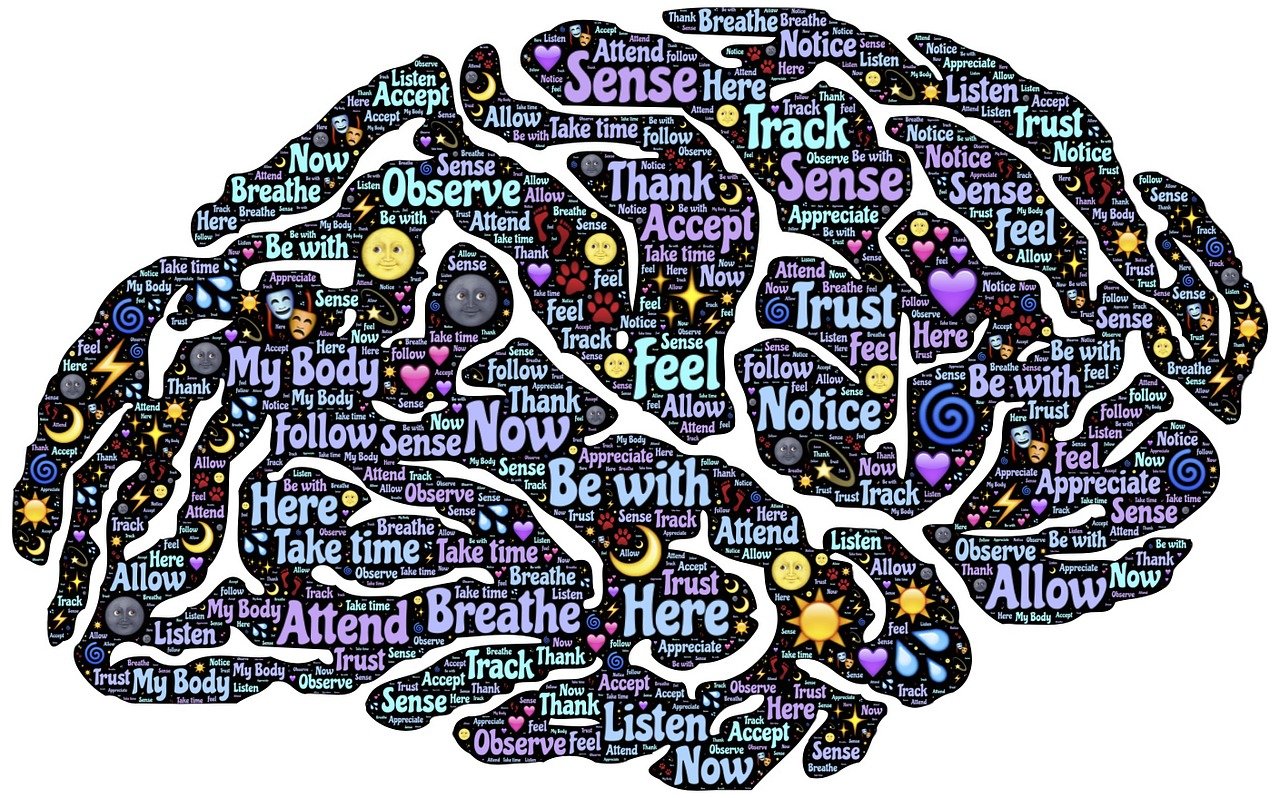
The mind-body connection is a complex relationship between our mental and physical states. Research shows that our thoughts, emotions, and behaviors can significantly influence our well-being. Cognitive Behavioral Techniques (CBT) explore this connection, revealing how cognitive factors affect emotional and physical health. By addressing negative thought patterns, CBT helps individuals regain control over their lives. The integration of mind-body principles has gained traction in therapeutic settings, enhancing conventional treatment methods. Practitioners emphasize the importance of awareness in recognizing the mind-body relationship.
As clients engage in CBT, they learn to identify distorted thinking patterns and their physical manifestations. For instance, anxiety can result in muscle tension and fatigue. CBT provides clients with techniques to challenge these thoughts, enabling improved psychological and physical states. This transformation can lead to enhanced overall health, facilitating a more positive outlook on life. Positive self-talk and mindfulness practices are incorporated into CBT, reinforcing the mind-body connection. These strategies empower clients to build resilience against stress and anxiety. Adapting CBT to individual needs is key to effectiveness.
Research supports the notion that the mind and body influence each other profoundly. Studies have shown that mental practices like meditation can lead to physical changes, such as reduced blood pressure and improved immune function. Physical activity also positively impacts mental health, demonstrating a reciprocal relationship. Encouraging clients to integrate both mental and physical wellness strategies is crucial for optimal outcomes. Therapy sessions can include activities focusing on physical movement, such as yoga or breathing exercises. These activities foster a deeper awareness of how thoughts influence bodily sensations.
The Application of CBT in Mind-Body Practices
Cognitive Behavioral Techniques can be effectively integrated into mind-body practices. Techniques like visualization and guided imagery offer clients tools to enhance relaxation and reduce stress. These methods allow individuals to connect with their inner thoughts and feelings, ultimately leading to a greater understanding of themselves. By visualizing positive outcomes, clients can alter their psychological states. This, in turn, may manifest in physical relaxation and reduced tension. Access to various tools in CBT helps create a personalized approach for each individual.
Ultimately, the goal of CBT is to foster sustainable change. By understanding the mind-body connection, individuals can develop healthier coping mechanisms. Regular practice of mindfulness and cognitive restructuring techniques leads to improved emotional well-being. Tracking progress and reinforcing positive behaviors helps in this journey. Clients are encouraged to maintain journals, documenting thoughts and experiences. Such documentation allows for awareness of recurring patterns that may hinder personal growth. Continuous practice enhances resilience and cognitive flexibility.
Cognitive Behavioral Techniques are not just therapeutic methods but life skills that benefit various aspects of life. Whether dealing with everyday stress or significant emotional challenges, the principles of CBT allow individuals to navigate difficult situations more effectively. Moreover, educational programs that emphasize these techniques in schools or workplaces can promote broader understanding and reduce stigma surrounding mental health. Creating environments that foster awareness of the mind-body connection has lasting positive effects on community well-being.
Conclusion: Embracing the Mind-Body Approach
Embracing Cognitive Behavioral Techniques in conjunction with mind-body practices can lead to a holistic approach to mental health. Individuals equipped with these skills are better prepared to handle life’s challenges. The ongoing research supports the effectiveness of combining mental and physical health strategies. As awareness of these principles grows, more individuals can experience the transformative benefits of understanding their mind-body connection. Emphasizing self-care practices fosters improved relationships with oneself and others.
As we continue to explore the mind-body connection, it is essential to advocate for integrated health approaches. Promoting access to mental health resources and education surrounding CBT will empower individuals to take charge of their well-being. Initiatives that highlight the importance of this connection should be prioritized in health care systems. Supporting the union of cognitive and physical practices will contribute to a healthier society. As we embrace this awareness, we pave the way for a society that values comprehensive health solutions.