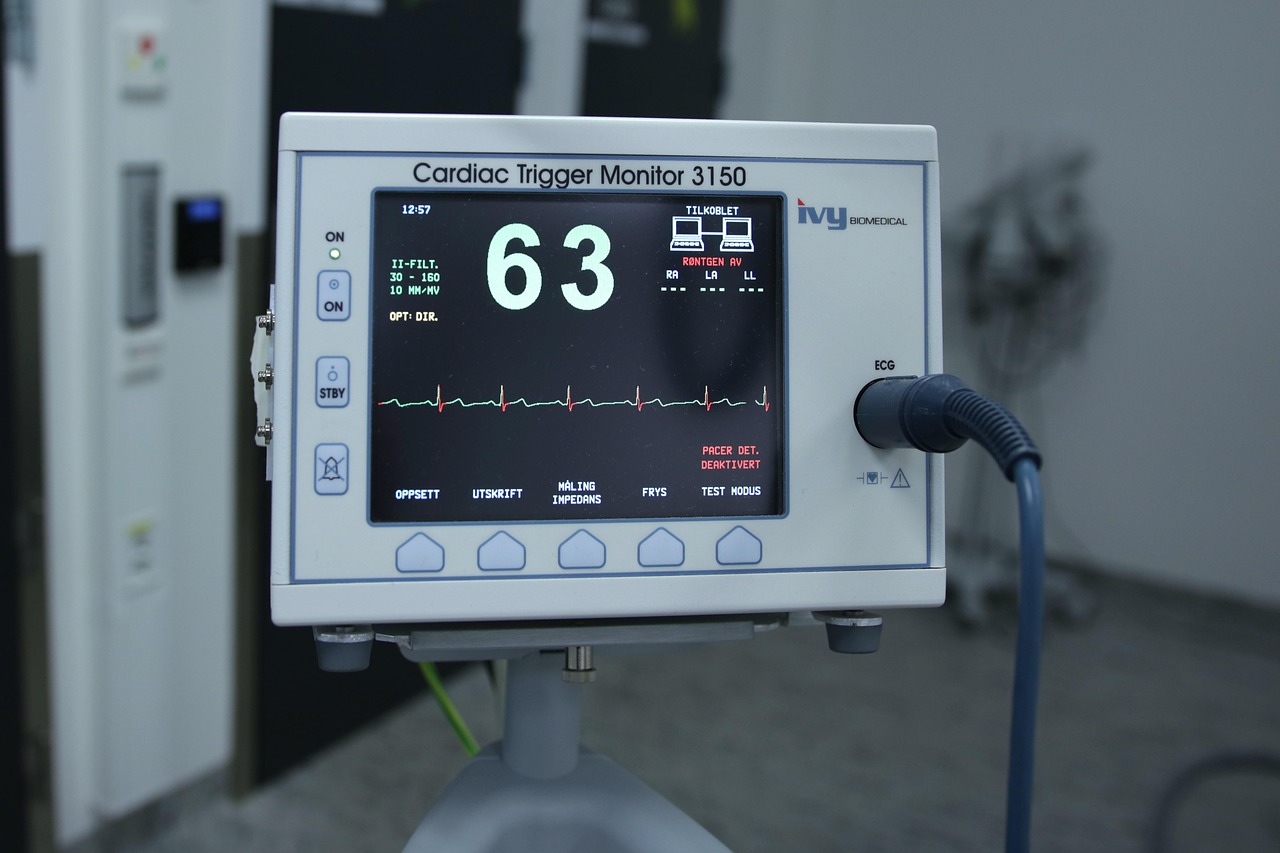

Wearable ECG Devices and Their Role in Managing Heart Disease
The advancement of health technology has given rise to wearable ECG devices designed specifically for managing heart disease. As heart conditions become increasingly prevalent, these devices offer patients a proactive way to monitor their health. Wearable ECGs continuously track heart rhythms, providing crucial data that can help in making timely decisions regarding treatment. These devices are beneficial not only for tracking irregular heartbeats but also for detecting potential heart-related issues before they escalate. Moreover, the convenience of wearables means that patients can incorporate heart monitoring into their daily routines without significant disruption. Such technology encourages patient engagement in their own health management, motivating lifestyle changes that may reduce symptoms and improve overall heart health. The data collected by these devices can be shared with healthcare providers for continuous monitoring. This real-time data aids doctors in adjusting treatment plans more effectively. To promote awareness of these benefits, education about the capabilities of wearable ECG devices is essential. Users must understand how to interpret the data accurately and what actions to take in response to alerts.
Wearable ECG devices represent a significant step forward in the management of chronic heart conditions. These devices typically come equipped with various features designed to enhance user experience and data accuracy. For instance, they are often compact, lightweight, and user-friendly. Additionally, they may include capabilities such as notifications for irregular heartbeats, activity tracking, and heart rate monitoring. Users can set personalized thresholds for alerts, thereby granting them some control over their cardiovascular health. Integration with smartphone applications further amplifies the usability of these devices, allowing users to analyze their heart health data over time. These insights can lead to better lifestyle choices and improved adherence to medication regimens, critical factors in managing chronic heart issues. Continuous monitoring through wearables can significantly impact the timeliness and effectiveness of medical responses. In emergencies, quick access to heart rhythm data can facilitate faster interventions by medical professionals. Furthermore, conducting remote follow-ups becomes easier with the data obtained from such devices. This development is also crucial during times when in-person consultations may not be feasible.
Benefits of Using Wearable ECG Devices
Wearable ECG devices come with a multitude of benefits that greatly enhance chronic disease management, particularly for patients with heart disease. One of the primary advantages is the ability to monitor heart health in real-time, which provides critical insights into the patient’s condition. Patients can detect arrhythmias or other abnormalities quickly. This leads to prompt medical interventions if necessary, which can potentially save lives. In addition to real-time monitoring, these devices enable continuous data collection, giving healthcare providers a comprehensive view of a patient’s heart health history. This visibility allows for more tailored treatment plans based on actual data rather than estimations or assumptions. Turnaround time for accessing vital information is reduced, thereby streamlining patient care. Another major benefit is the empowerment of patients; individuals become more informed about their health status, allowing for improved self-management strategies. The availability of on-demand data reduces the anxiety associated with chronic conditions; users can feel more in control of their health. Ultimately, this promotes a proactive culture among users and can positively impact overall cardiovascular health.
Despite the numerous advantages, several challenges come with the adoption of wearable ECG technology. One of the most significant challenges is ensuring the accuracy of the data collected. Inaccurate readings can lead to misunderstandings of the user’s health status. Therefore, manufacturers must prioritize precision engineering and rigorous testing before product releases. Additionally, the interpretation of the data presented can be complex for patients without a medical background. To mitigate this challenge, effective user education and training are crucial. Many users may not fully understand how to act on alerts; hence healthcare providers should play a role in facilitating that understanding. Another concern revolves around data security and privacy. As these devices collect sensitive health data, robust measures are needed to protect user information from unauthorized access. Patients should also be informed of their data rights and how their information will be used. Encouragement and assurance about the safety of these devices can drive greater adoption, making it easier for users to embrace health technology. Finally, the cost of these devices may also act as a barrier for some users, necessitating discussions on insurance coverage.
Future Prospects of Wearable ECG Technology
The future of wearable ECG devices holds significant promise, particularly with ongoing technological advancements in digital health. Manufacturers are continually seeking ways to enhance the functionality and accuracy of these devices. Innovations could lead to longer battery life, improved sensors for better data quality, and advanced machine learning algorithms capable of detecting more complex heart conditions. Integrating wearable ECG devices with telehealth platforms can further reshape patient experience, allowing for remote consultations and more effective health monitoring without the need for frequent in-person visits. Ongoing research into AI and predictive analytics will enable devices to provide insights that are tailored to individual patients, enhancing personalized medicine. Coupling wearables with therapeutic interventions could lead to comprehensive treatment modalities that address both lifestyle and clinical needs. As the technology matures, it may also become more affordable and accessible, leading to broader adoption across different demographics. Furthermore, partnerships with healthcare professionals and organizations can help validate the importance of these devices, promoting policy support for broader health technology integration. This could lead to a stronger culture of prevention and early intervention for heart disease.
Wearable ECG devices are increasingly becoming integral components in the fight against heart disease, shaping the future landscape of chronic health management. These portable devices not only empower patients but also facilitate closer monitoring by healthcare providers. The combination of continuous tracking and real-time data delivery significantly enhances decision-making in clinical environments. Patients utilizing these devices often experience better health outcomes due to their proactive approach to managing their conditions. As awareness grows regarding the importance of cardiovascular health, the user base for wearable ECG technology is expected to expand. The need for efficient chronic disease management solutions will also drive innovation, leading to more sophisticated and user-friendly options. Public health campaigns can further support this technology’s uptake by informing the community about accessible resources and the potential of wearables in reducing heart disease risks. There remains a great opportunity for healthcare systems to integrate wearables meaningfully, turning them into standard tools for monitoring cardiac health. As we look towards the future, the partnership between technology and healthcare will play a pivotal role in combating heart disease and enhancing overall public health.
Conclusion
The role of wearable ECG devices in managing heart disease is undeniably significant, representing a fusion of technology and health. With their ability to provide continuous monitoring, these devices offer patients control over their conditions and empower them to make informed decisions. They contribute to improved patient engagement and have the potential to generate substantial clinical benefits. While challenges remain regarding data accuracy, security, and patient education, ongoing advancements in technology address many of these hurdles. The future of wearables certainly looks promising, with innovations poised to make these devices even more essential in chronic disease management. Moreover, as healthcare providers continue to embrace these tools, the landscape of heart disease treatment will evolve, emphasizing prevention and early intervention. The integration of telemedicine with wearable technology creates a robust framework for patient health continuity. As this field progresses, the collaboration between patients, healthcare providers, and technologists will be crucial in realizing the full potential of wearable ECG devices. Overall, the transition towards smarter healthcare systems is gaining momentum, leading to a healthier, more informed population, ultimately reducing the burden of heart disease.