
Eating for Strength: Nutrition Plans for Powerlifters
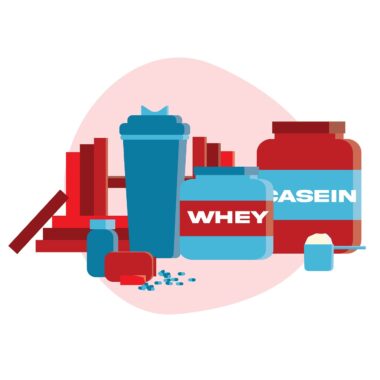
Nutrition plays a vital role in weightlifting, particularly for powerlifters. To build strength and muscle, a tailored nutrition plan must consider the unique requirements of this sport. Protein is fundamentally important for recovery and muscle growth, and powerlifters should aim for high-quality protein sources. Chicken, fish, beef, eggs, and dairy products are excellent choices. Additionally, protein supplements like whey protein can help meet daily targets. Alongside protein, carbohydrates are crucial as they provide the energy necessary for intense training sessions. Whole grains, fruits, and vegetables should make up a substantial part of the athlete’s diet. Consuming carbs before and after workouts can enhance performance by replenishing glycogen stores. Furthermore, fat is also essential for hormonal balance and overall energy. Healthy fats such as avocados, nuts, and olive oil promote optimal nutrient absorption and long-lasting energy. Proper hydration cannot be ignored either, as water plays a key role in every bodily function. Athletes should also consider electrolyte balance particularly after long training sessions. Overall, individualized nutrition plans can significantly impact performance and recovery in powerlifting.
Macro and Micronutrients
To maximize strength gains, understanding macro and micronutrients is crucial. Macronutrients – protein, carbohydrates, and fats – need to be consumed in appropriate ratios for each individual powerlifter. A common guideline is to aim for about 25% of total daily calories from protein, 50% from carbohydrates, and 25% from fats. This can vary depending on training intensity and individual goals. Micronutrients, including vitamins and minerals, play equally important roles in energy metabolism and recovery. Incorporating a variety of colorful fruits and vegetables will ensure sufficient intake of these essential nutrients. For example, dark leafy greens are rich in iron and calcium, while berries provide antioxidants to combat exercise-induced oxidative stress. Adequate intake of magnesium, zinc, and vitamin D can help improve muscle function and recovery. Powerlifters may also benefit from supplements if dietary sources are insufficient or if deficiencies are identified. Consulting with a sports nutritionist can ensure all nutritional needs are met effectively. Maintaining a food diary can help track what works best for the individual, leading to improved performance outcomes over time.
Meal timing is another critical aspect of effective nutrition for powerlifters. Pre-workout meals set the stage for training performance, while post-workout nutrition aids recovery. Ideally, consuming a meal rich in carbohydrates and protein about 2-3 hours before lifting contributes to optimal energy levels during workouts. Foods such as oatmeal with fruit or a rice bowl with chicken are excellent pre-workout options. Post-workout, the immediate focus should be on replenishing glycogen stores and repairing muscle damage. A combination of protein and carbohydrates is most effective for recovery; for instance, a protein shake alongside a banana shortly after training. Some nutritionists recommend the ‘anabolic window,’ which is the time immediately after training when nutrient uptake is maximized. However, recent studies suggest that the timing of nutrient intake may be less critical than previously thought, as long as daily intake is sufficient. Nevertheless, maintaining routine meal times can enhance overall dietary adherence. Preparing meals in advance can help ensure that powerlifters have timely access to nutritious foods that support their training.
The Importance of Variety
Variety in diet is crucial for comprehensive nutrition. Eating a wide range of foods helps ensure that all nutritional needs are met. This is particularly important for powerlifters who have higher nutrient needs due to extensive training. Striving to include different protein sources, such as fish, beef, beans, and legumes, can prevent monotony and enhance nutrient intake. Similarly, diversifying carbohydrate sources, from whole grains like quinoa and oats to fruits rich in fiber, supports digestive health and sustained energy levels. Techniques like batch cooking can assist in preparing multiple meals to incorporate variety comfortably. Experiment with international cuisine to include unique spices, colors, and flavors while providing essential nutrients, enhancing both enjoyment and compliance with the diet. Some powerlifters thrive on meal plans that emphasize colorful dishes, which naturally indicate a range of nutrients without excessive focus on caloric intake. Furthermore, developing a positive relationship with food allows powerlifters to enjoy their meals instead of seeing them as mere fuel. A well-rounded approach aids consistency, elevating both physical performance and mental satisfaction.
Monitoring progress is key in any nutritional strategy. To ensure the diet is effective, powerlifters should keep track of both body composition and performance metrics. Regularly assessing changes in strength, weight, and energy levels can help determine if nutritional adjustments are needed. Keeping a detailed food log enhances awareness of what is consumed daily and highlights areas for improvement. Utilizing apps to track meals can simplify this process while providing insights into nutrient ratios and calorie counts. Regular weigh-ins also assist in ensuring that athletes stay within their ideal weight categories for competition without sacrificing performance capacity. Hands-on methods such as measuring body fat percentage can provide a clearer picture of body composition changes over time. Engaging with a coach or nutrition specialist can provide guidance and accountability toward achieving nutritional goals. Moreover, maintaining open communication with fitness partners fosters a supportive environment. Ultimately, being proactive with nutrition contributes to long-term success in powerlifting, ensuring athletes are well-prepared for training and competition.
Hydration Strategies
Hydration cannot be overlooked in nutrition for powerlifters. Adequate fluid intake is essential for maintaining optimal performance levels and preventing fatigue. Powerlifters should aim for at least 3-4 liters of water per day, adjusting based on sweat loss during intense training sessions. Drinking water before, during, and after workouts promotes hydration and recovery. Monitoring urine color can be an effective way to gauge hydration status—clear to light yellow signifies good hydration, while dark yellow may indicate dehydration. Additionally, electrolyte-rich drinks may be beneficial for those engaging in prolonged or particularly intense lifts, replacing lost minerals. Homemade electrolyte solutions made with water, salt, and natural fruit juices can be a great alternative to commercial sports drinks. Powerlifters should make it a habit to carry water bottles throughout the day, making drinking a regular part of their routine. Ensuring hydration before and after meals can also support digestion and nutrient absorption. Knowledge of individual needs fosters a tailored hydration strategy, ensuring optimum performance while avoiding performance reduction due to dehydration.
In conclusion, effective nutrition is foundational for powerlifters looking to reach their ultimate potential. A multifaceted approach that includes proper macronutrient ratios, meal timing, and hydration can significantly enhance performance and recovery. Maintaining variety in dietary choices fosters compliance and satisfaction, while consistent monitoring of progress ensures adjustments align with individual goals. Engaging with professionals in sports nutrition can provide the necessary expertise to fine-tune dietary protocols. Also, it is crucial to remember that every athlete is unique, and what works for one person may not work for all. Finding the right foods and balance of nutrients is a personal journey requiring trial and adjustment. Ultimately, a strong commitment to nutrition will pay off in performance gains, ensuring that powerlifters can continually push their limits, achieve personal records, and excel in their craft. The integration of sound nutritional strategies empowers athletes not just physically but mentally, fostering a holistic approach to training. Thus, embrace nutrition as not merely fuel but a significant contributor to your overall powerlifting endeavor.