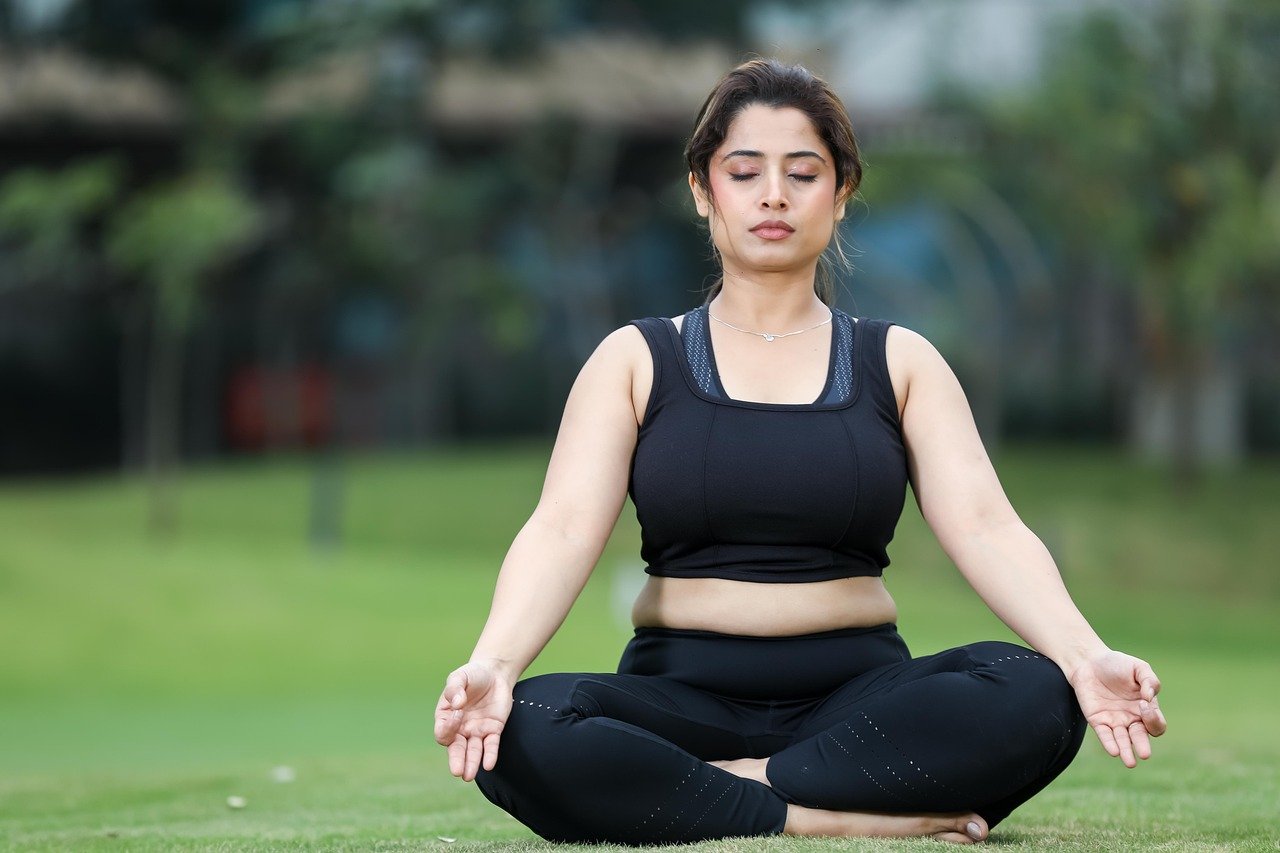

How to Use Breath Awareness for Better Fitness Results
Breath awareness plays a critical role in enhancing fitness results. By focusing on breathing techniques, individuals can improve their overall workout experience. This approach fosters a connection between the mind and body, enabling one to engage more deeply in physical activity. When practitioners consciously regulate their breath during exercises, they maximize oxygen flow to their muscles, leading to increased stamina and energy levels. Effective breath control is often a fundamental principle in various fitness disciplines, including yoga, martial arts, and dance. These practices teach individuals to use breath not just for survival but as a powerful tool for performance enhancement. The art of breath awareness involves recognizing inhalation and exhalation patterns, adjusting them according to the activity performed. For instance, short, quick breathing may be ideal for high-intensity workouts, while long, deep breaths are suitable for relaxation and cool-down phases. Various methods, including diaphragmatic and rhythmic breathing, can refine this skill further. Ultimately, embracing breath awareness in fitness routines yields improved focus, reduced stress levels, and heightened physical responsiveness. This leads to a more enjoyable and rewarding exercise journey for users.
Integrating breath awareness into your fitness routine enables significant enhancements in not just physical performance but also mental clarity. One of the primary benefits of mindful breathing is its ability to reduce anxiety and stress. Many individuals experience heightened stress levels when engaging in challenging workouts, which can hinder performance. Breath-focused practices counteract this by promoting relaxation and focus, ensuring that individuals can concentrate on their movements rather than external distractions. When the mind is calm, the body responds more efficiently, allowing for better execution of exercises. Additionally, breath awareness can aid individuals in connecting with their bodies. Awareness of breathing patterns helps practitioners notice sensations and feelings during workouts. This bodily awareness is crucial for identifying limits while also fostering an enhanced sense of enjoyment. Each breath taken serves as a reminder to reconnect with the body’s needs, allowing for personalized adjustments during fitness training. As a result, individuals can prevent injuries and overtraining, achieving optimal results without compromising health. Furthermore, maintaining a calm breathing rhythm can encourage accountability, where users become more aware of their overall fitness journey and goals.
The Science Behind Breath Awareness
Understanding the scientific principles behind breath awareness can bolster its application in fitness. Studies highlight various physiological benefits associated with controlled breathing techniques. When individuals engage in focused breath patterns, it can stimulate the parasympathetic nervous system. This activation aids in relaxation and recovery processes, ultimately enhancing performance. For instance, practitioners may experience reduced heart rates, lower blood pressure, and improvements in overall respiratory efficiency. Such benefits contribute not just to improved fitness results but to a deeper appreciation of holistic health. In practical terms, engaging in breath awareness creates a bridge between mental and physical states. The synchronization of breath with movement assists in achieving a flow state, often sought after in athletic performances. Additionally, engaging multiple senses while breath-focused can enhance spatial awareness, balance, and coordination. Using guided meditation techniques that emphasize breath control can offer further insights into mindfulness. Breathing exercises, such as the box or 4-7-8 breathing, empower individuals by grounding them in the present moment. Such practices lead to enhanced mindfulness, positively influencing workout habits and long-term fitness sustainability.
Incorporating breath awareness into diverse fitness disciplines fosters a more integrative approach to health. Activities such as yoga and Pilates emphasize the significance of breath control in synchronizing movement with intention. These practices not only build strength and flexibility but also enhance cognitive functioning. When individuals blend breath with physical postures, they cultivate a mindful state that serves to deepen their experience. Moreover, engaging in cardiovascular workouts while practicing breath awareness can optimize performance. Sports models such as running and cycling can significantly benefit from intentional breathing patterns that enhance endurance and efficiency. By consistently applying breath techniques during workouts, individuals can endure longer sessions, reducing fatigue and soreness. Thus, a structured approach to breath awareness enhances overall workout quality. On a psychological level, breath-focused workouts invite individuals to develop self-compassion, allowing them to view their fitness journeys through a holistic lens. This holistic perspective nurtures positive relationships with both exercise and body image, leading to sustained motivation. Fitness enthusiasts interested in maximizing their potential should not overlook the value of breath awareness in their routines.
Practical Techniques for Breath Awareness in Fitness
Several practical techniques exist that can help enhance breath awareness in fitness routines. One effective method involves establishing a consistent warm-up routine that includes breath-focused exercises. Participants can integrate simple techniques like diaphragmatic breathing, where individuals breathe deeply into their bellies instead of shallow chest breathing. This approach allows more oxygen to be absorbed, leading to efficient energy use during workouts. Another useful method involves utilizing a technique called “tuning in,” where individuals become acutely aware of their breath’s rhythm before a workout. By taking a few deep breaths, they can ground themselves in the present moment, preparing both mentally and physically for the exercise ahead. The practice of breath counting can also aid individuals seeking mindfulness during workouts. By aligning breaths with each repetition, practitioners can establish a rhythm that enhances flow and focus. Furthermore, participants are encouraged to schedule breathing breaks during intense workouts. Dedicating moments to pause and reconnect with the breath can facilitate recovery and encourage muscle relaxation. Implementing these techniques ensures that breath awareness becomes an integral part of fitness routines.
Besides basic techniques, advanced methods can further enhance breath awareness and fitness integration. Meditation integrations in fitness settings offer unique opportunities for cultivating mindfulness through breath. Classes incorporating guided meditations often emphasize breath awareness, teaching participants to find stillness amidst dynamic movements. This practice helps individuals navigate the sometimes chaotic nature of fitness classes. Additionally, using technology such as breath-tracking apps can support fitness enthusiasts in their breath awareness journeys. These applications may provide visual feedback to facilitate learning and encourage healthy patterns. Moreover, adopting specific breathing exercises, such as pursed-lip breathing or alternate nostril breathing, introduces variety to standard fitness routines, enriching the experience. Athletes can also apply visualization techniques alongside breath work to enhance performance. Imagining optimal breath patterns while executing physical actions can help target intrinsic motivation. This combination fosters both mental clarity and physical prowess. Finally, reaching a community to share breath-focused experiences can create accountability, transforming individual journeys into collaborative adventures. Collective breath awareness not only motivates but broadens perspectives on fitness as a lifelong endeavor.
Conclusion: The Path to Fitness Through Breath
Embracing breath awareness as a core component of fitness offers profound benefits to practitioners. By integrating this practice, individuals can achieve holistic improvements in both physical and mental realms. The ability to control one’s breath fosters heightened awareness, reduces stress, and maximizes performance. As users cultivate this skill, they discover a deeper connection to their bodies and improve their overall workout experiences. Beginning with simple techniques and advancing to more complex ones provides a pathway to deeper mindfulness, ultimately yielding enhanced fitness results. Furthermore, breath awareness serves as a bridge to greater self-compassion and accountability within fitness journeys. Participants come to appreciate the process of exercising, viewing it as more than just a physical endeavor. With consistent practice, breath awareness leads to sustained motivation, long-term health improvement, and better quality workouts. Individuals interested in this journey will find community support immensely beneficial, offering inspiration and encouragement. Continuous exploration of breath-focused disciplines opens new doors for personal growth in fitness. This ongoing relationship nurtures both joy and resilience in physical pursuits, underscoring the powerful impact of conscious breathing.
With the ever-evolving landscape of fitness methodologies, breath awareness remains an age-old yet essential practice that transcends trends. Bridging ancient wisdom and scientific research, it emphasizes the interconnectedness of breath and wellbeing. As fitness enthusiasts prioritize sustainable practices, incorporating breath awareness promotes meaningful engagement, encouraging individuals to work smarter rather than harder.